



Hard Enamel vs. Soft Enamel: Which Craftsmanship Fits Your Brand Customization Needs?
Table of Contents
AWESOME! SHARE TO
Introduction: Beyond Surface Aesthetics—The Strategic Choice in Enamel Badge Selection
When it comes to brand customization through enamel badges and lapel pins, the decision between hard enamel and soft enamel extends far beyond visual preference. It represents a deliberate strategic choice that impacts perceived value, production economics, durability, and ultimately, how your brand story is told through these miniature works of art. This comprehensive analysis explores the technical nuances, production processes, cost implications, and strategic applications of both enamel types to help you make an informed decision that aligns with your brand identity and objectives.
Understanding the Fundamentals: Material Science and Historical Context
What is Enamel? A Brief Historical Journey
Enamel, known historically as “falang” (佛郎) in Chinese culture, represents one of humanity’s most enduring decorative arts, with origins tracing back to ancient civilizations. The technique involves fusing colored glass powder to metal surfaces through high-temperature firing, creating durable, vibrant, and lustrous coatings that have captivated artisans and collectors for centuries. The term “enamel” itself derives from the Old High German word “smelzan,” meaning “to smelt,” reflecting the fundamental process of melting and fusing materials at extreme temperatures.
The journey of enamel craftsmanship spans continents and epochs—from ancient Egyptian jewelry and Byzantine icons to the refined cloisonné techniques of Imperial China and the Art Nouveau masterpieces of early 20th-century Europe. Each culture adapted and evolved the technique, contributing unique innovations that have shaped modern enamel production methodologies.
The Enamel Family Tree: Hard vs. Soft Distinctions
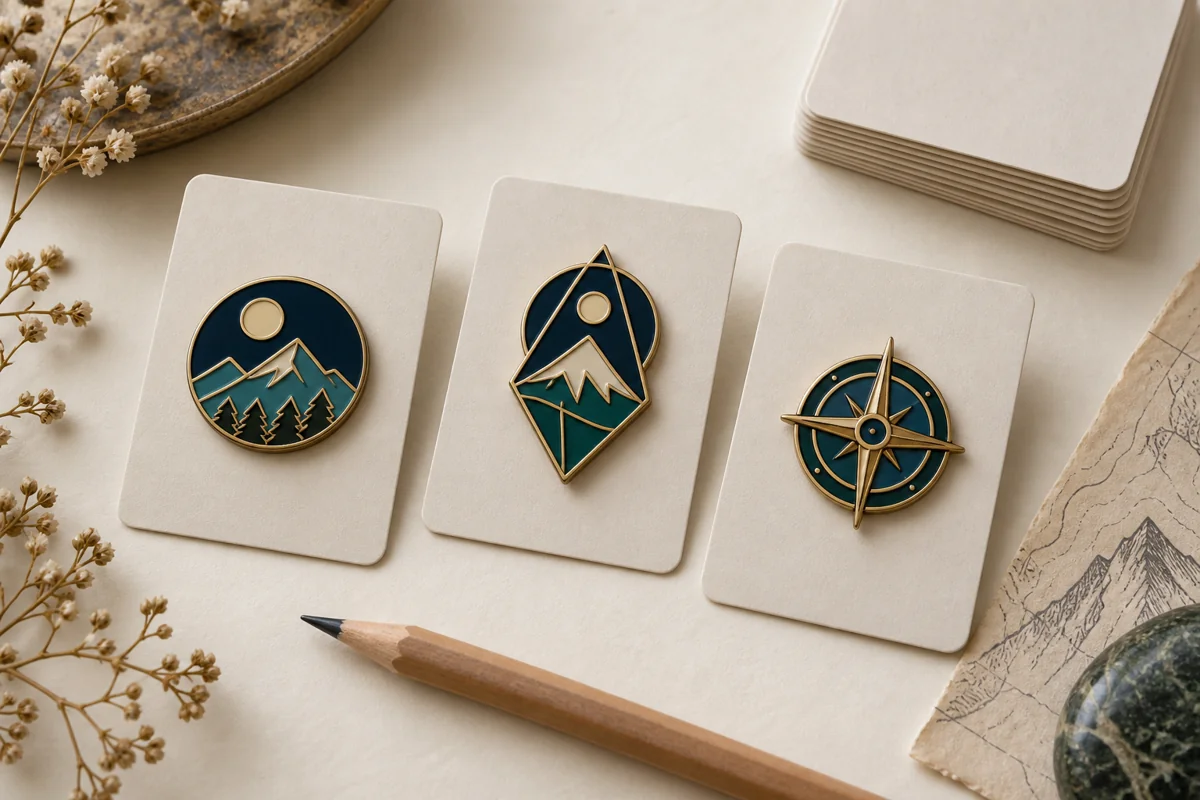
Hard Enamel (Cloisonné) : Often synonymous with traditional cloisonné craftsmanship, hard enamel represents the pinnacle of artisanal excellence. The process involves filling metal compartments with glass powder that is fired at temperatures exceeding 800°C (1,472°F), followed by meticulous polishing to achieve a perfectly smooth surface flush with metal borders. This technique, historically reserved for imperial courts and elite institutions, produces jewelry-quality pieces with exceptional durability and luminous depth.
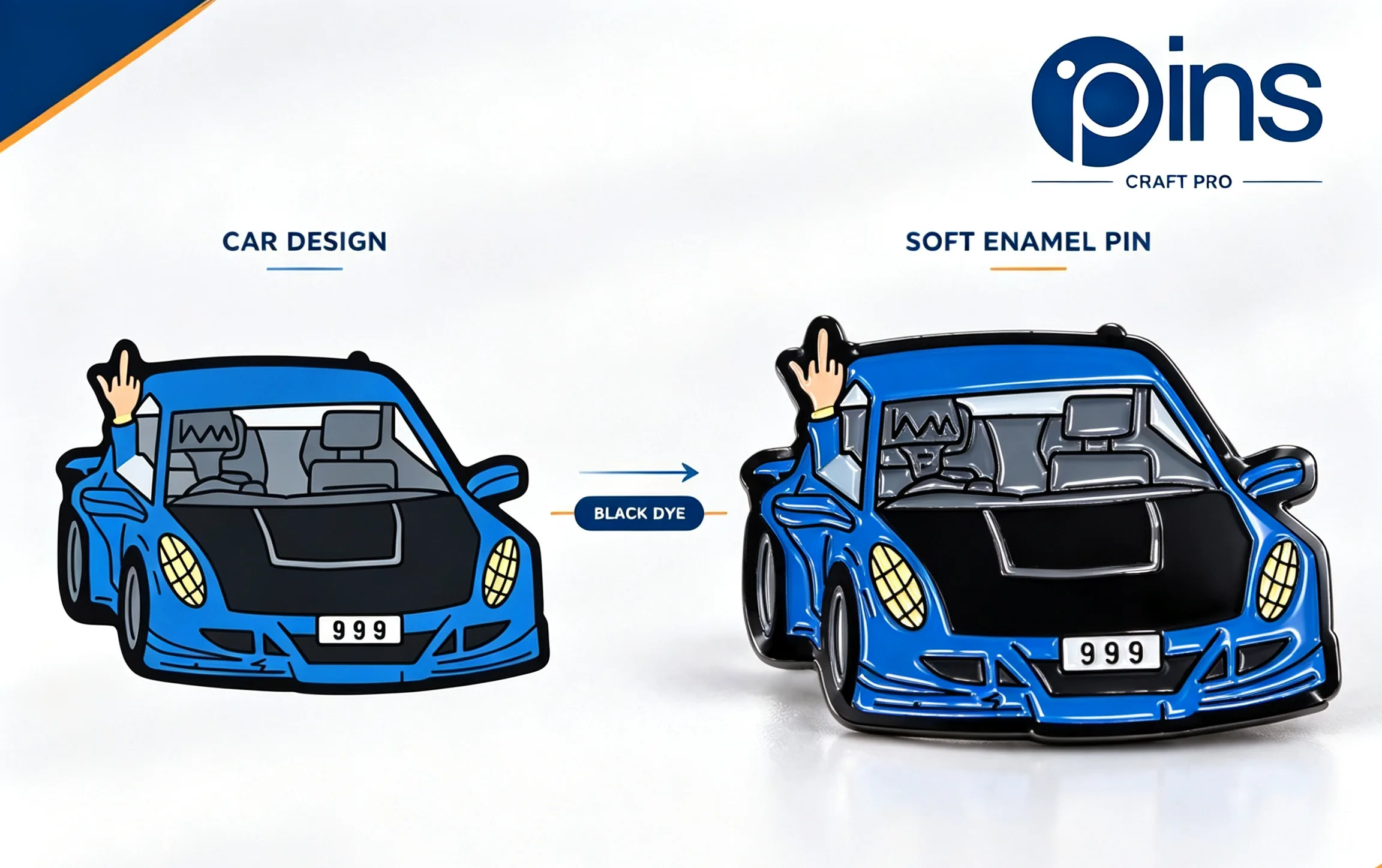
Soft Enamel (Embossed Soft Enamel) : A more accessible and versatile approach, soft enamel involves filling recessed metal areas with colored resin or polymer materials that are cured at lower temperatures (typically 80-100°C / 176-212°F). Unlike hard enamel, the colored areas remain slightly below the raised metal ridges, creating distinctive textural contrast. This technique emerged as a cost-effective alternative during industrialization, enabling mass production while maintaining visual appeal.
Critical Terminology Note: In Chinese markets, confusion often arises from translation differences. “Soft Enamel” (软珐琅) typically refers to imitation hard enamel with smooth surfaces, while “Embossed Soft Enamel” (烤漆) describes textured badges with raised metal edges. In Western markets, “Soft Enamel” generally indicates the textured embossed variety. This article focuses on the conventional hard enamel (smooth) vs. soft enamel (textured) distinction.
Technical Deep Dive: Production Processes Compared
Hard Enamel Production: The Artisan’s Journey
The creation of hard enamel badges represents a complex, multi-stage process requiring skilled craftsmanship and specialized equipment:
- Die Creation and Metal Preparation: Custom steel dies are precision-engineered to stamp designs into metal substrates, typically brass, copper, or zinc alloy. The stamping creates raised metal borders (cloisons) that define color boundaries and structural integrity.
- Initial Color Application: Finely ground glass powder is carefully placed into each compartment using specialized tools. This labor-intensive step requires precision and patience, as each color must be applied separately to prevent mixing.
- High-Temperature Firing: The piece is fired in kilns at temperatures exceeding 800°C, causing the glass powder to melt and fuse to the metal substrate. Each color layer may require separate firing cycles, making the process time-consuming.
- Stone Polishing: Once all colors have been applied and fired, the surface is ground down using abrasive stones until the enamel is completely level with the metal borders. This critical step distinguishes hard enamel from other techniques.
- Refinement Polishing: Multiple stages of increasingly fine polishing (using compounds like diamond paste) create the characteristic smooth, glossy finish that gives hard enamel its jewelry-quality appearance.
- Electroplating: Final electroplating in gold, silver, nickel, or other metals provides both aesthetic enhancement and protection against tarnishing and corrosion.
Soft Enamel Production: The Industrial Advantage
Soft enamel production follows a more streamlined, efficient approach suitable for larger scale manufacturing:
- Metal Stamping: Similar to hard enamel, designs are stamped into metal substrates, creating raised and recessed areas that define the pattern.
- Electroplating (Early Stage) : Unlike hard enamel, the metal substrate is plated before color application, allowing for a wider variety of plating options including black nickel, rainbow finishes, and custom colored metals.
- Enamel Injection: Colored resin or polymer materials are injected or painted into the recessed areas. Because these materials remain below the metal ridges, multiple colors can be applied simultaneously without precise separation.
- Curing: The piece is baked at relatively low temperatures (80-100°C) to harden the enamel materials. This single firing cycle significantly reduces production time compared to hard enamel.
- Optional Epoxy Coating: A transparent epoxy dome can be applied for additional protection and to enhance depth, though this adds cost and may alter the tactile experience.
Comparative Analysis: Technical Specifications
表格
| Characteristic | Hard Enamel | Soft Enamel |
|---|---|---|
| Core Material | Glass powder (vitreous) | Resin/Polymer |
| Firing Temperature | >800°C (multiple cycles) | 80-100°C (single cycle) |
| Surface Texture | Smooth, flush with metal | Textured, recessed enamel |
| Color Application | Sequential, color-by-color | Simultaneous, multi-color |
| Plating Options | Gold, Silver, Nickel only | Unlimited custom plating |
| Production Time | 2-4 weeks (average) | 1-2 weeks (average) |
| Scratch Resistance | Excellent (diamond-hard) | Good, but prone to chipping |
| UV Resistance | Superior | Moderate |
| Detail Resolution | High, but polishing may soften fine lines | Excellent, maintains crisp edges |
Durability and Performance: The Long-Term Investment
Environmental Resistance and Wear Characteristics
Hard Enamel Durability: The vitreous nature of hard enamel creates an exceptionally durable surface. The glass-like material achieves hardness comparable to precious stones, making it highly resistant to scratching, abrasion, and chemical corrosion. Hard enamel pieces can maintain their original appearance for decades, even under frequent wear and exposure to harsh conditions. This exceptional durability makes hard enamel ideal for applications where longevity is paramount, such as military insignia, commemorative medals, and heirloom-quality corporate gifts.
Soft Enamel Resilience: While soft enamel provides good durability for most applications, the polymer-based materials are inherently softer than glass enamel. The recessed colored areas are more susceptible to scratching and chipping, particularly along the edges where they meet the metal borders. However, the raised metal ridges offer some protection by creating a buffer zone. For typical promotional or decorative uses where pieces are handled infrequently, soft enamel provides adequate durability at a significantly lower cost point.
Maintenance and Care Considerations
Both enamel types benefit from proper care, but their different characteristics influence maintenance approaches:
Hard Enamel Maintenance:
- Regular cleaning with soft, lint-free cloths removes surface dust and fingerprints
- Mild soap and water solutions can address more stubborn dirt, but abrasive cleaners should be avoided
- Periodic professional polishing may restore luster on heavily worn pieces
- Storage in protective containers or pouches prevents scratching against other jewelry or accessories
Soft Enamel Care:
- More gentle handling is recommended to prevent edge chipping
- Avoid exposure to harsh chemicals, solvents, or prolonged direct sunlight
- Soft brush cleaning with mild detergent preserves color vibrancy
- Regular inspection of backing mechanisms ensures secure attachment
Cost Analysis: Production Economics and ROI Considerations
Manufacturing Cost Breakdown
The production cost differential between hard and soft enamel stems from several key factors:
Hard Enamel Cost Drivers:
- Labor Intensity: The sequential color application and multiple firing cycles require skilled artisans, significantly increasing labor costs
- Material Quality: Glass enamel powder and high-purity metals command premium pricing
- Process Complexity: Multiple polishing and refinement stages increase production time and equipment utilization
- Specialized Equipment: High-temperature kilns and precision polishing tools represent substantial capital investment
- Quality Control: Each firing and polishing step requires inspection, adding overhead
Soft Enamel Cost Advantages:
- Automation Potential: Simpler processes enable greater automation and reduced labor requirements
- Material Efficiency: Lower material costs and reduced waste through simpler application methods
- Faster Turnaround: Single firing cycles and streamlined processing reduce production time
- Economies of Scale: More amenable to large-scale production runs with consistent quality
Pricing Benchmarks (2024 Market Data)
Based on current manufacturer pricing from leading enamel producers:
表格
| Order Quantity | Hard Enamel (per unit) | Soft Enamel (per unit) | Cost Difference |
|---|---|---|---|
| 50-100 pieces | $8.00 – $12.00 | $3.00 – $5.00 | 60-70% higher |
| 101-500 pieces | $5.00 – $8.00 | $2.00 – $3.50 | 50-65% higher |
| 501-1,000 pieces | $3.50 – $6.00 | $1.50 – $2.50 | 45-60% higher |
| 1,000+ pieces | $2.50 – $4.50 | $1.00 – $2.00 | 40-55% higher |
Note: These figures represent typical pricing for standard sizes (1-1.5 inches / 25-38mm) with up to 4 colors. Additional colors, larger sizes, complex designs, or premium plating options will increase costs proportionally for both types.
Strategic ROI Considerations
When evaluating the investment in hard versus soft enamel for brand applications, consider the following factors beyond unit cost:
Perceived Value Impact: Hard enamel commands a 2-3x premium in perceived value compared to soft enamel. This can translate to higher customer willingness to pay, reduced price sensitivity, and enhanced brand positioning.
Longevity Benefits: Hard enamel’s superior durability reduces replacement costs and maintains brand image over extended periods. For employee recognition programs or customer loyalty initiatives, this extended lifespan provides substantial ROI.
Production Flexibility: Soft enamel’s lower cost and faster turnaround enables more frequent design iterations, limited edition runs, and rapid response to market trends—valuable for brands emphasizing agility and innovation.
Aesthetic Characteristics and Design Implications
Visual Distinctions: Surface Quality and Light Interaction
Hard Enamel Aesthetics:
- Jewelry-Quality Finish: The smooth, polished surface creates a lustrous appearance that catches and reflects light uniformly, similar to fine gemstones or precious metals
- Color Depth and Clarity: The vitreous material provides exceptional color saturation with slight transparency effects that enhance perceived depth
- Sophisticated Elegance: The absence of texture creates a refined, understated appearance appropriate for luxury positioning
- Consistency Across Batches: High-temperature firing ensures color consistency that remains stable over time
Soft Enamel Visual Appeal:
- Tactile Dimensionality: The raised metal borders create distinctive textural contrast that adds visual interest and emphasizes design elements
- Bold Color Statement: The recessed enamel areas create strong visual contrast with the metal, making designs pop and appear more vibrant
- Artisanal Character: Slight irregularities in the hand-filled enamel process lend authentic, handcrafted appeal
- Customization Potential: Unlimited plating options (including colored metals) enable unique aesthetic treatments impossible with hard enamel
Design Compatibility and Limitations
Hard Enamel Design Considerations:
- Minimum Line Width: Fine details smaller than 0.3mm may be lost during the polishing process
- Color Separation: Each color requires separate application and firing, limiting practical color counts to 4-6 in most applications
- Complex Geometries: Highly intricate patterns may become indistinct after polishing smooth
- Gradient Limitations: True gradient effects are impossible; only solid color blocks are achievable
Soft Enamel Design Flexibility:
- Fine Detail Preservation: Sharp metal ridges maintain crisp definition of fine lines and small text
- Color Freedom: No practical limit on color count; multiple colors can be applied simultaneously
- Plating Innovation: Rainbow finishes, black nickel, and custom colored metals provide distinctive aesthetic options
- Textural Enhancement: The natural texture reinforces design elements without additional processing
Brand Strategy Applications: Matching Technique to Objectives
Luxury Brand Positioning: The Case for Hard Enamel
Premium Product Lines: Brands positioning themselves in the luxury space should strongly consider hard enamel for its jewelry-quality finish and perceived exclusivity. The smooth, polished surface communicates sophistication and refinement that aligns with premium pricing strategies. Luxury fashion houses, high-end automotive brands, and prestige financial institutions frequently select hard enamel for their badge and pin requirements.
Corporate Recognition Programs: Employee service awards, achievement pins, and executive recognition gifts benefit from hard enamel’s durability and perceived value. The longevity of hard enamel ensures that recognition symbols remain pristine for years, reinforcing the significance of the achievement. Companies like IBM, Microsoft, and Fortune 500 corporations regularly specify hard enamel for their recognition programs.
Diplomatic and Institutional Applications: Government agencies, diplomatic services, and prestigious organizations often select hard enamel for its historical association with traditional craftsmanship and institutional authority. The technique’s connection to cloisonné traditions lends gravitas and legitimacy appropriate for formal insignia and commemorative pieces.
Mass Market and Promotional Applications: Soft Enamel Advantages
Event Merchandise and Collectibles: Music festivals, comic conventions, and sporting events benefit from soft enamel’s ability to produce large quantities quickly and cost-effectively. The distinctive texture and vibrant colors create appealing collectible items that fans desire while fitting within budget constraints. Limited edition releases and series collections work particularly well with soft enamel’s flexibility.
Brand Awareness Campaigns: Companies seeking broad market reach through promotional giveaways and brand merchandise often find soft enamel provides the optimal balance of quality and quantity. The lower per-unit cost enables broader distribution while still delivering a premium tactile experience that enhances brand perception. Consumer brands in the lifestyle, entertainment, and technology sectors frequently leverage soft enamel for promotional campaigns.
Youth and Street Fashion Markets: The textured appearance and affordability of soft enamel make it ideal for youth-oriented brands and street fashion applications. The distinctive look aligns with current trends in customization and personalization, while lower price points appeal to younger demographics with limited disposable income.
Hybrid Approaches: Combining Techniques for Strategic Impact
Innovative brands are increasingly combining hard and soft enamel techniques within single designs to leverage the strengths of both approaches:
Partial Hard Enamel: Using hard enamel for key brand elements (such as logos or focal points) while employing soft enamel for background elements creates visual hierarchy and emphasizes brand identity. This hybrid approach provides hard enamel’s perceived value while controlling costs through selective application.
Contrast Effects: Combining smooth hard enamel surfaces with textured soft enamel areas creates sophisticated visual interest and tactile variety. Designers exploit this contrast to guide viewer attention and enhance design complexity.
Mixed Plating Techniques: Using premium plating (gold, silver) on hard enamel sections while applying cost-effective plating (black nickel) to soft enamel areas enables strategic cost management without compromising visual impact.
Manufacturing Partner Selection: Quality Assurance Considerations
Evaluating Production Capabilities
When selecting manufacturing partners for enamel badge production, consider the following critical factors:
Technical Expertise and Equipment:
- Hard Enamel Specialists: Verify that manufacturers have access to high-temperature kilns capable of sustained 800°C+ operation and skilled artisans with experience in traditional cloisonné techniques
- Soft Enamel Efficiency: Assess production capacity and turnaround capabilities for large-scale orders, particularly for brands requiring frequent design iterations
Quality Control Processes:
- Material Sourcing: Confirm that manufacturers use high-purity metals and premium enamel materials, particularly for hard enamel where material quality significantly impacts final appearance
- Inspection Protocols: Request documentation of quality control procedures, including dimensional tolerances, color accuracy verification, and surface finish standards
Design and Engineering Support:
- Pre-Production Prototyping: Reputable manufacturers provide sample approval before mass production, allowing evaluation of color matching, plating quality, and overall execution
- Design Optimization: Experienced partners offer guidance on design adjustments to optimize production while maintaining brand integrity
Global Manufacturing Landscape
China Production Hubs:
- Dongguan and Guangdong: These southern manufacturing centers represent the core of Chinese enamel production, with factories offering competitive pricing and excellent quality control
- Yiwu Specialization: Known for small-batch customization and rapid turnaround, making it ideal for indie artists and small businesses
Western Manufacturing Options:
- United States Premium Providers: American manufacturers typically charge 2-3x more than Asian counterparts but offer faster turnaround, easier communication, and superior customer service
- European Craftsmanship Heritage: Certain European manufacturers maintain traditional artisanal techniques, though at significantly higher price points
Certification and Compliance:
- Quality Certifications: ISO 9001, IATF 16949, and similar certifications indicate systematic quality management
- Ethical Production: B Corporation certification and social compliance audits demonstrate commitment to responsible manufacturing practices
Sustainability and Environmental Considerations
Environmental Impact Assessment
Hard Enamel Environmental Profile:
- Energy Intensive: High-temperature firing and multiple processing stages require substantial energy consumption
- Material Waste: The sequential application and grinding processes generate waste materials that require proper disposal
- Longevity Factor: Exceptional durability reduces replacement frequency, potentially offsetting higher production impact over product lifecycle
Soft Enamel Environmental Advantages:
- Lower Energy Requirements: Single low-temperature firing reduces energy consumption by 60-80% compared to hard enamel
- Material Efficiency: Simpler application processes minimize material waste
- Recycling Potential: Both metal substrates and polymer enamels offer recycling possibilities at end-of-life
Sustainability Innovation Trends
Forward-thinking manufacturers are implementing sustainable practices across both production methodologies:
Eco-Friendly Materials: Development of low-VOC enamels, recycled metal substrates, and bio-based polymer materials reduces environmental impact without compromising quality.
Energy Efficiency: Investment in modern kilns with regenerative heating systems, LED curing technologies, and energy management systems reduces carbon footprint.
Waste Reduction: Implementation of closed-loop recycling systems for metal scrap, enamel waste recovery, and water filtration systems minimizes environmental impact.
Packaging Innovation: Transition to recyclable packaging materials, minimal packaging approaches, and reusable display solutions reduces overall waste generation.
Decision Framework: Strategic Selection Guide
Key Decision Criteria Matrix
表格
| Factor | Hard Enamel Weight | Soft Enamel Weight | Decision Guidance |
|---|---|---|---|
| Budget Sensitivity | Lower impact | Higher impact | Soft enamel preferred for budget-constrained projects |
| Perceived Value Needs | Superior | Moderate | Hard enamel for luxury positioning |
| Design Complexity | Moderate limitations | High flexibility | Soft enamel for intricate designs |
| Quantity Requirements | Limited cost advantage | Strong economies of scale | Soft enamel for large orders |
| Durability Requirements | Exceptional | Good | Hard enamel for high-wear applications |
| Time Sensitivity | Longer lead time | Faster turnaround | Soft enamel for urgent deadlines |
| Brand Positioning | Premium/Exclusive | Accessible/Trendy | Match to brand tier positioning |
Scenario-Based Recommendations
Scenario 1: Luxury Fashion Brand – Limited Edition Collection
- Recommendation: Hard Enamel
- Rationale: Premium positioning demands jewelry-quality finish; limited edition quantities justify higher cost; exclusivity enhances collectible value; brand heritage aligns with traditional craftsmanship
Scenario 2: Tech Startup – Conference Giveaway (5,000 units)
- Recommendation: Soft Enamel
- Rationale: Large quantity demands cost efficiency; modern brand aligns with contemporary aesthetic; quick turnaround needed for event timeline; broad distribution mass appeal
Scenario 3: Financial Institution – Employee Recognition Program
- Recommendation: Hard Enamel
- Rationale: Institutional gravitas requires premium materials; long service tenure demands durability; perceived value reinforces achievement significance; brand stability aligns with tradition
Scenario 4: Entertainment Brand – Fan Convention Merchandise
- Recommendation: Soft Enamel (potentially with special effects)
- Rationale: Limited budget needs maximum quantity; vibrant colors and texture appeal to fan demographic; trend-driven market favors flexibility; lower price enables broader fan access
Future Trends and Innovation Directions
Technological Advancements
Precision Manufacturing: CNC machining and 3D printing enable creation of more complex molds and finer detail work, expanding design possibilities for both hard and soft enamel applications.
Digital Integration: Embedded RFID chips and QR codes transform enamel badges into interactive marketing tools, enabling authentication, loyalty program integration, and digital content access.
Advanced Materials: Development of new enamel formulations with enhanced properties, such as glow-in-the-dark capabilities, color-changing effects, and improved environmental profiles.
Production Automation: Robotic application systems and automated quality control reduce costs while improving consistency, potentially narrowing the price gap between hard and soft enamel.
Market Evolution
Personalization Trend: Growing demand for individually customized enamel badges drives development of small-batch production capabilities and on-demand manufacturing approaches.
Sustainability Focus: Environmental consciousness drives innovation in materials, processes, and packaging, with consumers increasingly considering production methods in purchase decisions.
Digital-Physical Convergence: Integration with augmented reality and digital collectibles creates new engagement opportunities and monetization possibilities for enamel badge products.
Conclusion: Strategic Decision-Making Framework
The choice between hard enamel and soft enamel for brand customization represents more than a simple materials selection—it embodies a strategic decision that impacts brand perception, cost structure, and long-term value creation. By carefully considering the technical characteristics, cost implications, aesthetic attributes, and strategic applications outlined in this analysis, brand managers and designers can make informed decisions that align with their specific objectives and market positioning.
Hard enamel’s superior durability, jewelry-quality finish, and perceived value make it the optimal choice for luxury brands, institutional applications, and scenarios where longevity and premium positioning are paramount. While the higher initial investment may seem significant, the enhanced perceived value, extended lifespan, and reduced replacement costs often justify the expenditure for appropriate applications.
Conversely, soft enamel’s design flexibility, cost efficiency, and faster turnaround make it ideal for mass market applications, promotional campaigns, and situations where agility and variety are critical. The distinctive textural appeal and vibrant color reproduction provide excellent aesthetic value at accessible price points, enabling broad market reach and frequent design innovation.
The most sophisticated brands increasingly recognize that the optimal solution may not be choosing between hard and soft enamel, but rather strategically employing both techniques to leverage their respective strengths. By understanding the technical nuances and strategic implications of each approach, brand leaders can develop comprehensive enamel badge strategies that enhance brand equity, optimize marketing investments, and create meaningful connections with their target audiences.
In the evolving landscape of brand customization, the brands that succeed will be those that approach enamel badge selection not as a procurement decision, but as a strategic opportunity to reinforce brand identity, enhance customer experiences, and create lasting value through thoughtful material and process selection
Related PinsCraftPro Resources
If you are comparing custom metal products for an upcoming campaign, these related guides and product pages can help you narrow the right style, finish and ordering path.
Related Posts