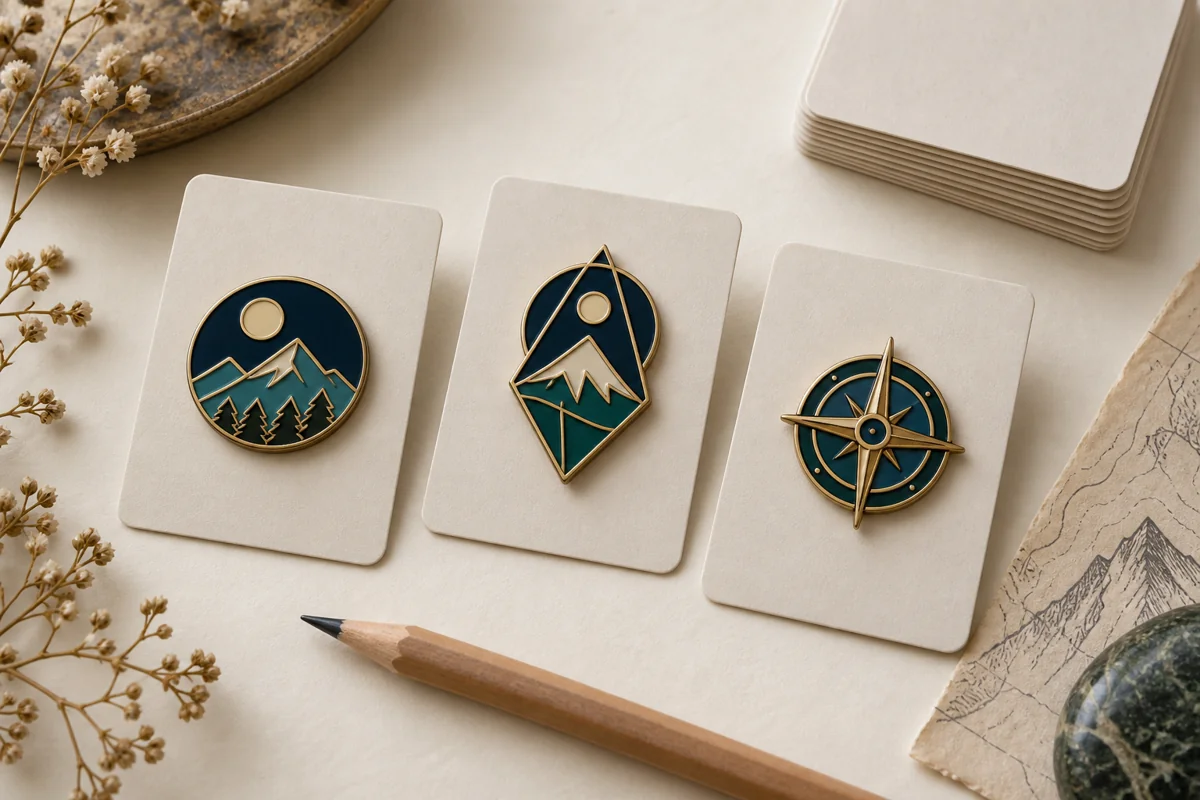

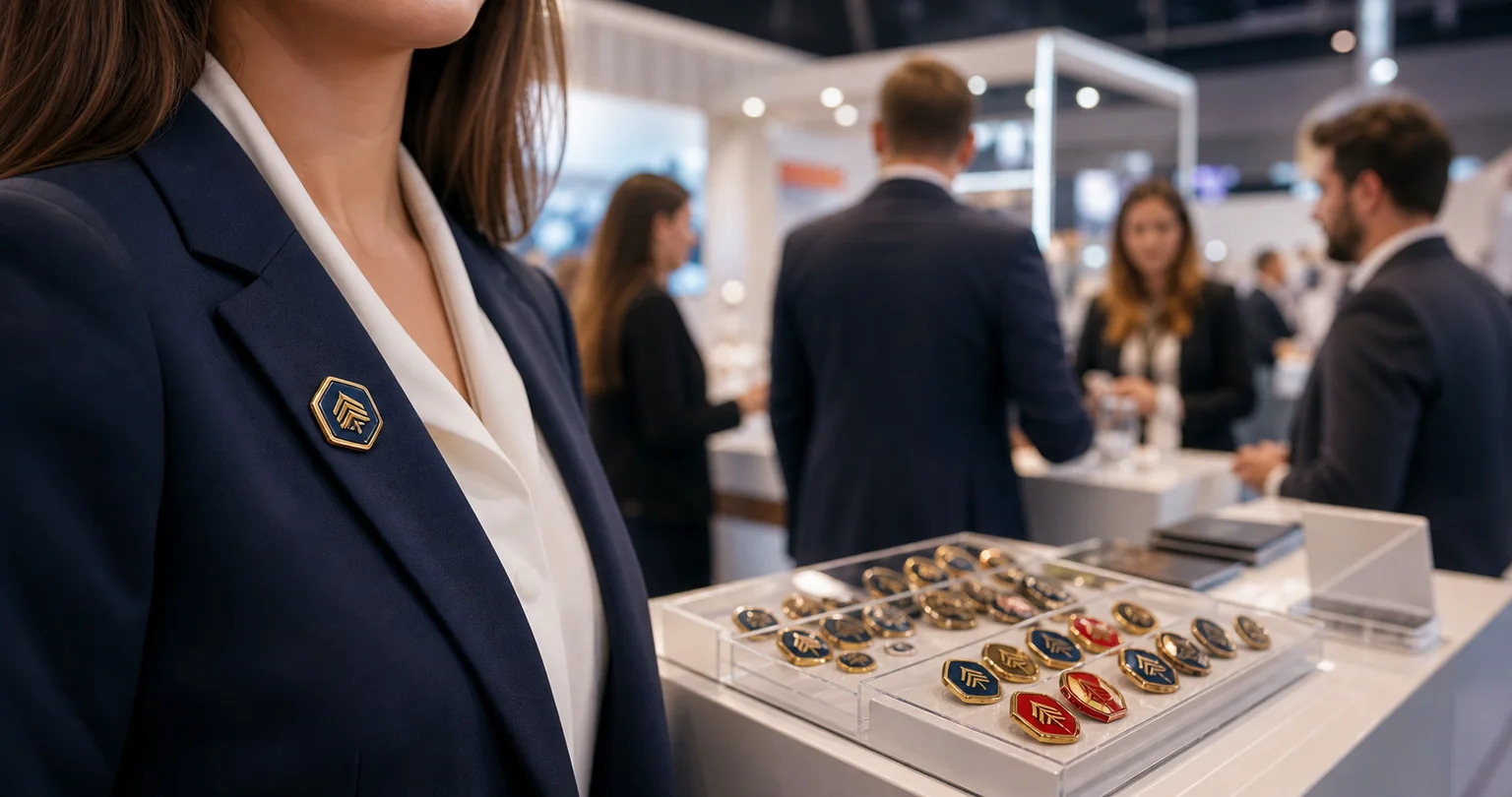
Employee recognition works best when it feels specific. A generic gift can disappear into a drawer. A small object with the right story can become part of a uniform, a desk display, or a personal collection. That is why more HR teams, operations managers, and brand teams are using Custom Pins for milestone programs, onboarding kits, safety awards, service anniversaries, and culture campaigns.
The strength of a pin is not only its price or size. It is visible, wearable, collectible, and easy to distribute across locations. A well-designed pin can mark belonging without feeling heavy or overly formal. But to work well, the program needs more than a logo placed on metal.
This guide explains how to plan employee recognition pins that people are more likely to keep, wear, and understand.
Define the Recognition Moment First
Before choosing enamel style or plating, define the moment the pin is meant to represent. Is it a welcome gift for new employees? A one-year, five-year, or ten-year service marker? A safety achievement? A leadership award? A seasonal campaign? A product launch badge for the internal team?
Each moment deserves a different tone. A welcome pin can be friendly and simple. A long-service pin should feel more permanent. A safety award may need clear symbols and strong contrast. A leadership pin can use a more restrained design language.
For companies ordering Benutzerdefinierte Pins across multiple departments, this early definition helps prevent every design from looking the same.
Build a System, Not a One-Time Giveaway
The most successful recognition pins often work as a series. Employees can collect different pins over time, and each pin represents a real milestone or contribution. This gives the program continuity.
A simple system might include:
- Onboarding pin for new hires
- Department or team identity pin
- Annual service milestone pin
- Safety or quality achievement pin
- Event or product launch pin
- Leadership or mentor recognition pin
When the series is planned in advance, each design can share a visual family: similar shape, plating, border style, or backer card layout. The pins feel connected without becoming repetitive.
Choose a Design Language Employees Will Actually Wear
An employee recognition pin should not look like a miniature billboard. If the design is too corporate, people may accept it politely but never wear it. If it feels too casual, it may not carry enough meaning.
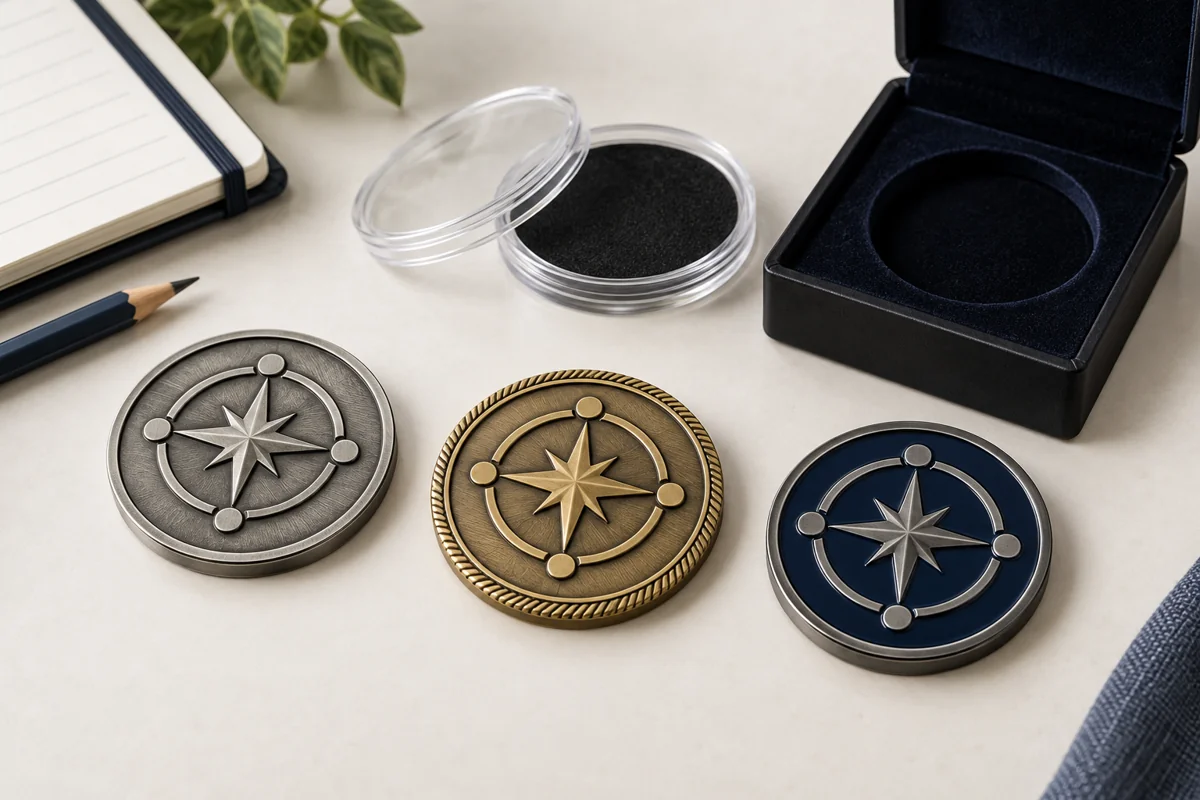
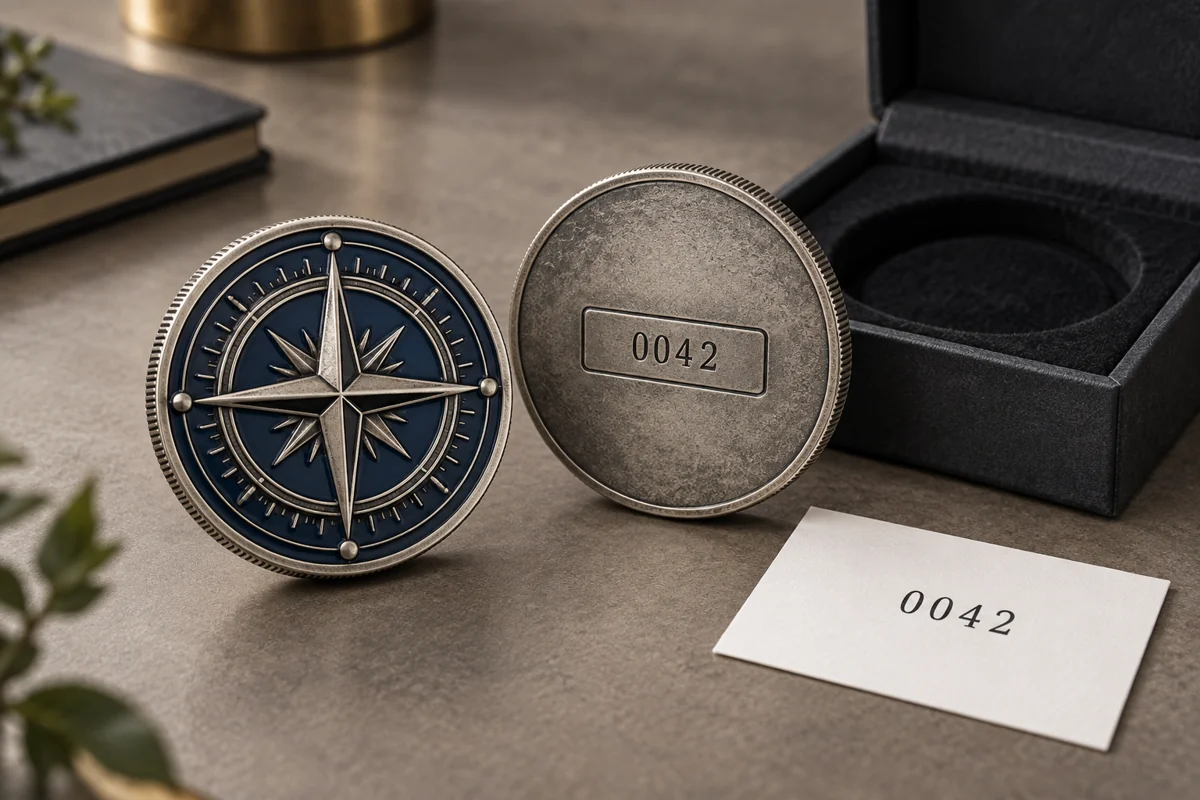
A useful approach is to combine company identity with a symbol tied to the achievement. For example, a logistics team might use a compass, route line, or warehouse icon. A service anniversary pin could use a subtle year marker and metal finish variation. A safety award might use a shield, check mark, or equipment symbol without making the design feel like a warning label.
The company logo can be present, but it does not always need to dominate the pin. Recognition works better when the employee feels the pin says something about their contribution, not just the company brand.
Match Materials to the Level of Recognition
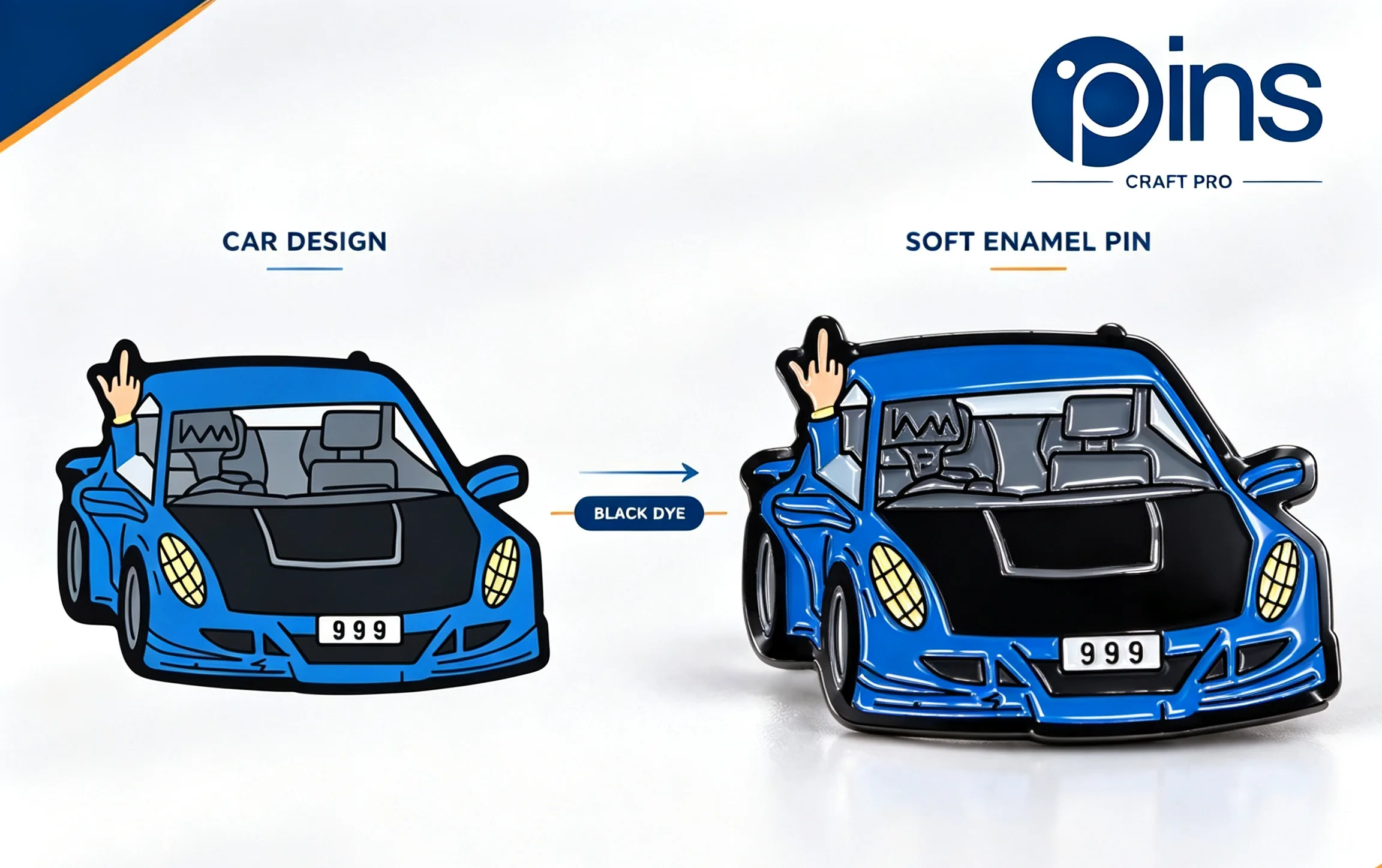
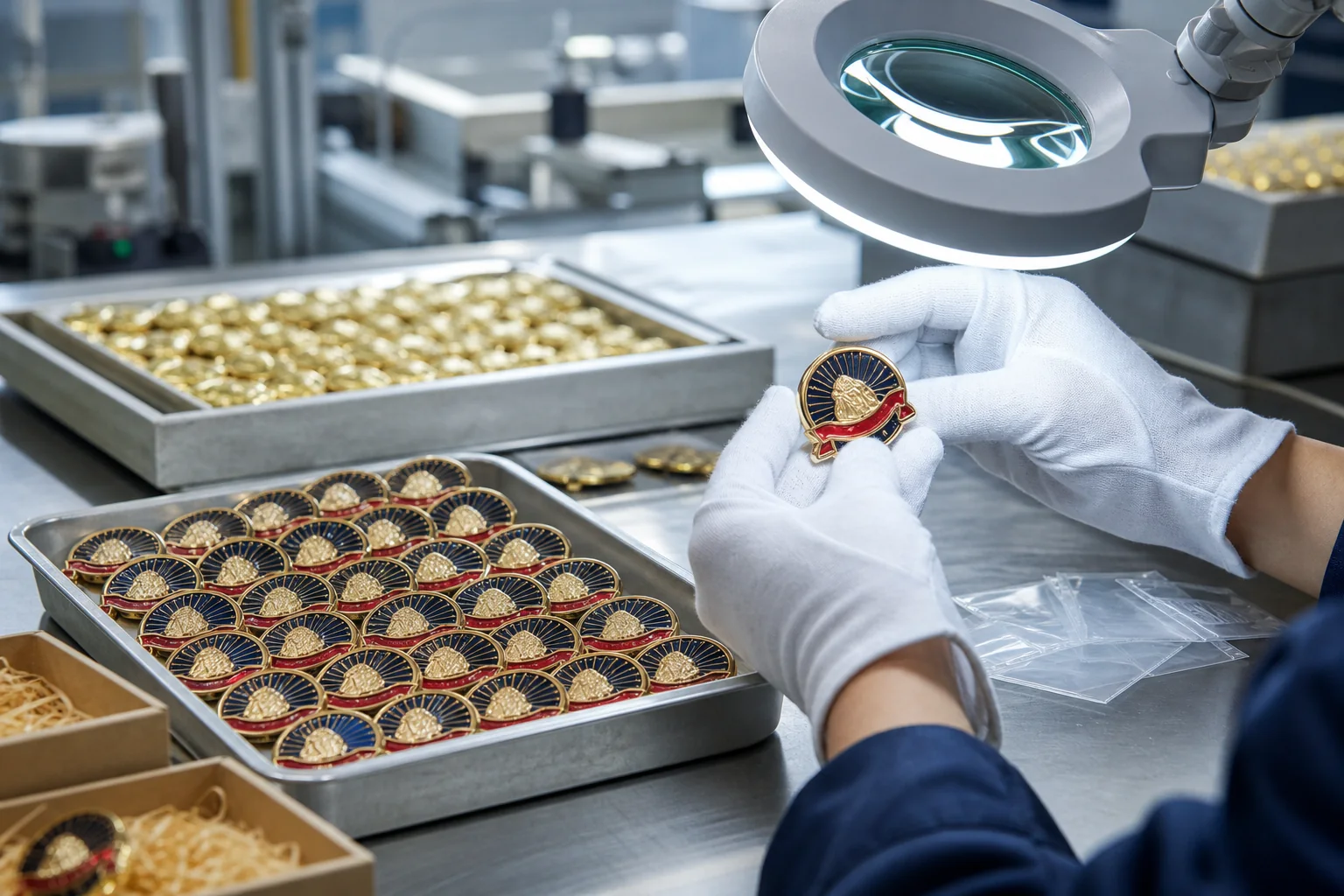
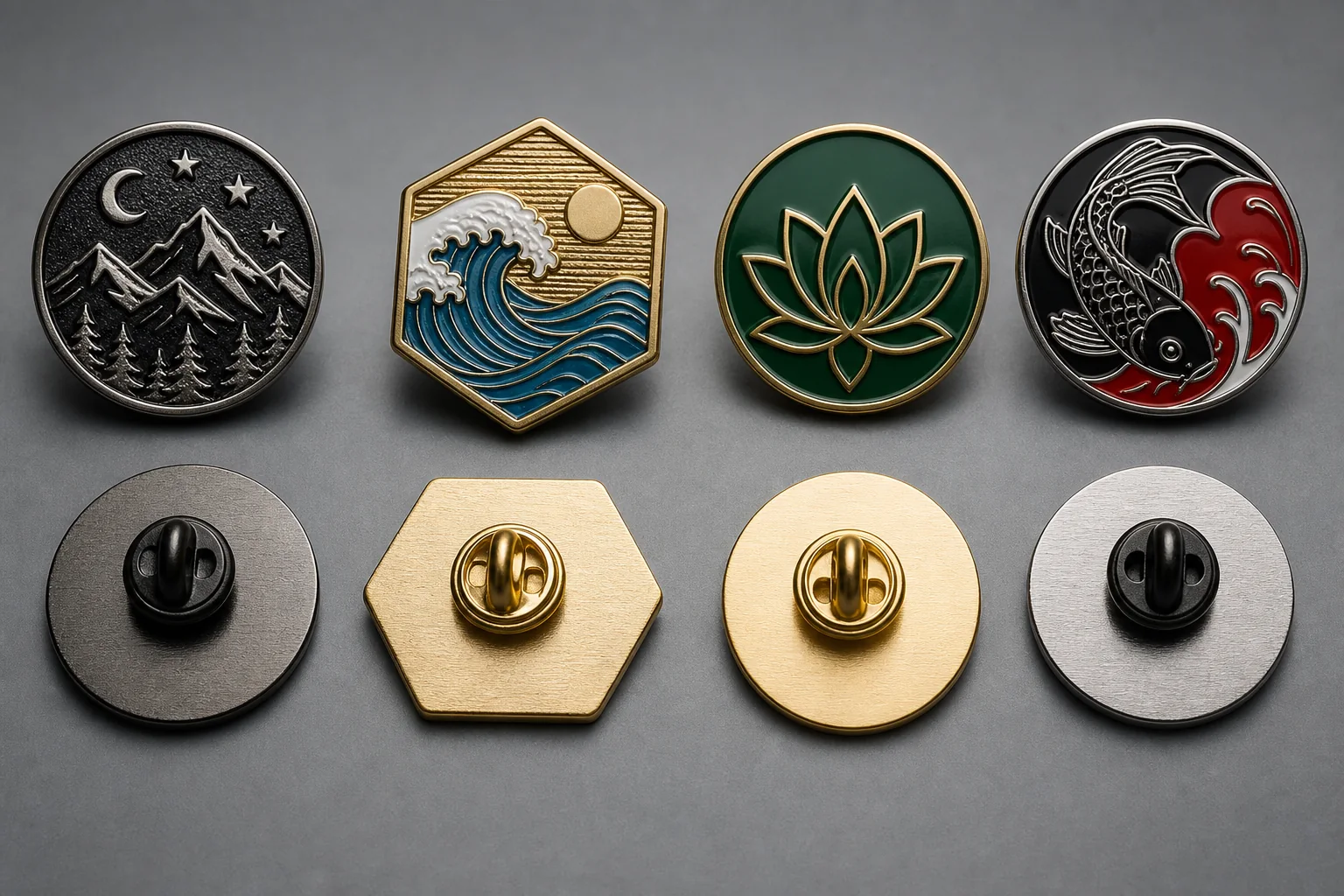
Not every recognition pin needs the same construction. Soft enamel can be a strong option for colorful team programs, onboarding campaigns, and event badges. Hard enamel can be better for polished milestone gifts, leadership awards, and pins intended for long-term wear.
Metal finish can also create levels within a program. A five-year service pin might use nickel plating, while a ten-year pin uses gold. A safety series might use different enamel colors by achievement level. These small differences make the program easier to understand without adding complicated messaging.
If the program includes public-facing staff, durability matters. The pin should work on jackets, shirts, lanyards, hats, or aprons without rotating or damaging fabric. Wider pins may need two posts, while smaller lapel styles can often use one.
Use Backer Cards to Tell the Story
A recognition pin becomes more meaningful when the recipient understands why it exists. A backer card gives space for that message. It can explain the milestone, include a short thank-you note, show the company values behind the award, or include the year and program name.
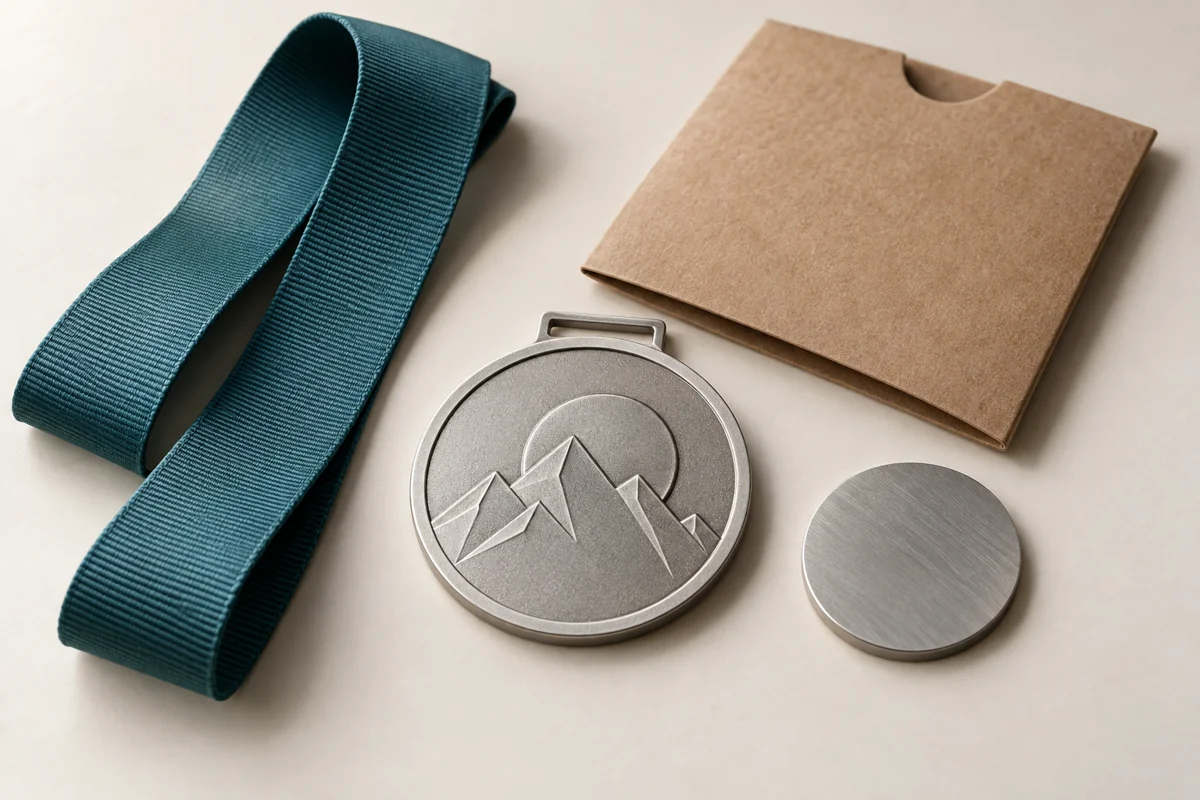
For distributed teams, packaging also creates consistency. Employees in different locations receive the same presentation, even if managers deliver the pins in different ways. A printed card or small gift box can make the moment feel intentional.
Backer cards are also practical for HR teams. They can include SKU information, department codes, reorder notes, or language versions for global teams.
Plan Quantity Around Real Program Use
Recognition programs often need more careful quantity planning than one-time events. A company may need an initial bulk order, then smaller reorders as new employees join or milestones are reached.
Before ordering, estimate:
- Current recipients by milestone or department
- Expected new hires over the next 6 to 12 months
- Replacement pieces for lost or damaged pins
- Extra inventory for managers, HR, and future events
- Separate quantities for each design in the series
For Custom Pins programs, keeping the mold and artwork details organized can make reorders faster and more consistent. Store proof files, Pantone references, plating details, backing type, and packaging specs in one place.
Think About Distribution Before Production Ends
The handoff matters. A pin tossed into a general swag bag feels different from a pin presented by a manager with a short explanation. The product may be small, but the moment can carry weight.
Companies can distribute recognition pins during onboarding sessions, quarterly meetings, annual celebrations, safety briefings, trade show team kickoffs, or product launch events. Remote teams can receive pins by mail with a signed card or short printed message.
If the pins are part of a bigger recognition program, include a simple internal guide for managers. Tell them what the pin means, who receives it, and how to present it. That keeps the message consistent across teams.
A Short Checklist for HR and Brand Buyers
- What behavior, milestone, or identity does the pin recognize?
- Will this be a one-time pin or part of a series?
- Should the design feel playful, premium, formal, or team-oriented?
- Is soft enamel, hard enamel, die struck, or printed detail the best fit?
- Does the pin need one post, two posts, a magnet, or another attachment?
- Will the recipient get a backer card, pouch, box, or simple bag?
- How will the program handle reorders and future milestones?
Fazit
Custom Pins can be a practical recognition tool because they are visible, repeatable, and easy to connect to a story. But the best programs are planned like a system, not a leftover merchandise order.
Start with the recognition moment. Build a visual series. Choose materials that match the level of achievement. Use packaging to explain the meaning. Then keep the specifications organized so the program can grow over time.
When a pin feels specific to the person receiving it, it becomes more than a small metal badge. It becomes a marker of belonging, contribution, and memory.