



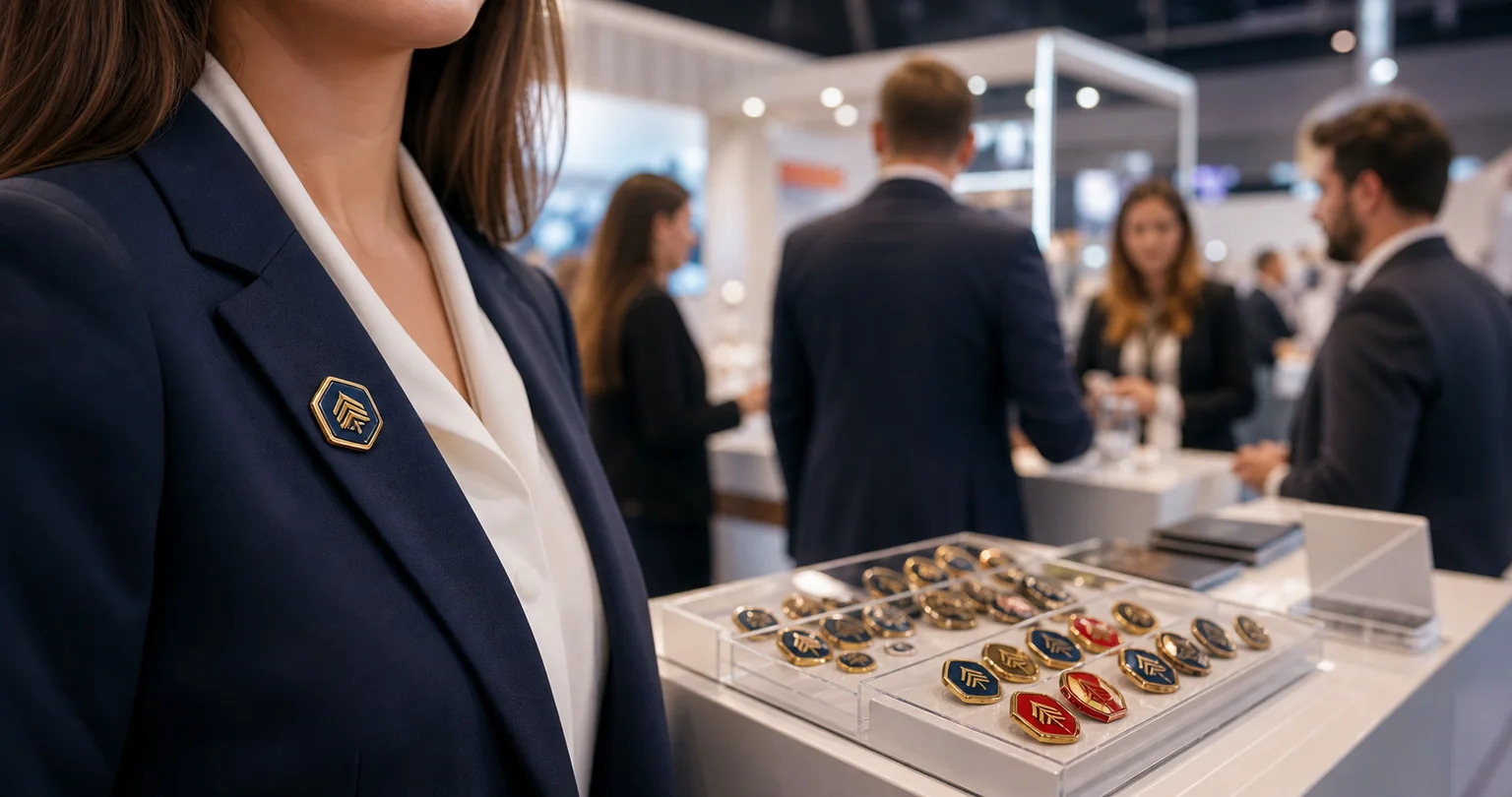
Packaging is often treated as the last line in a Custom Pins quotation. That is understandable: the pin itself feels like the product, while the bag, card, or box feels secondary. In real buying situations, however, packaging changes how the pin is received, stored, sold, photographed, shipped, and remembered.
For B2B buyers planning دبابيس مخصصة, the question is not “Should we make the package look nice?” The better question is “What job does the packaging need to do?” A retail pin needs shelf presence. A conference pin needs fast distribution. A corporate gift pin needs polish. A team trading pin needs identity and context. When packaging matches the channel, Custom Pins feel more intentional and become easier to use commercially.
Why Packaging Changes the Perceived Value of Custom Pins
People rarely receive a pin in isolation. They receive it on a card, in a bag, attached to a uniform, handed across a booth, or included in a welcome kit. That moment shapes perceived value before the person even studies the enamel, plating, or backstamp.
A plain bulk pack may be perfect for internal staff use. But if the pins are going into a museum shop, a sports tournament, a college alumni campaign, or a retail drop, the presentation becomes part of the merchandise. The same Custom Pins can feel like giveaways or collectibles depending on how they are packaged.
That is why packaging should be discussed with the manufacturer at the design stage, not after production. Pin size, post placement, backing type, card thickness, and bag dimensions all affect the final setup.
Match the Package to the Sales or Distribution Channel
There is no single best package for Custom Pins. The right choice depends on where the pins are going and how people will interact with them.
Retail and Museum Shops
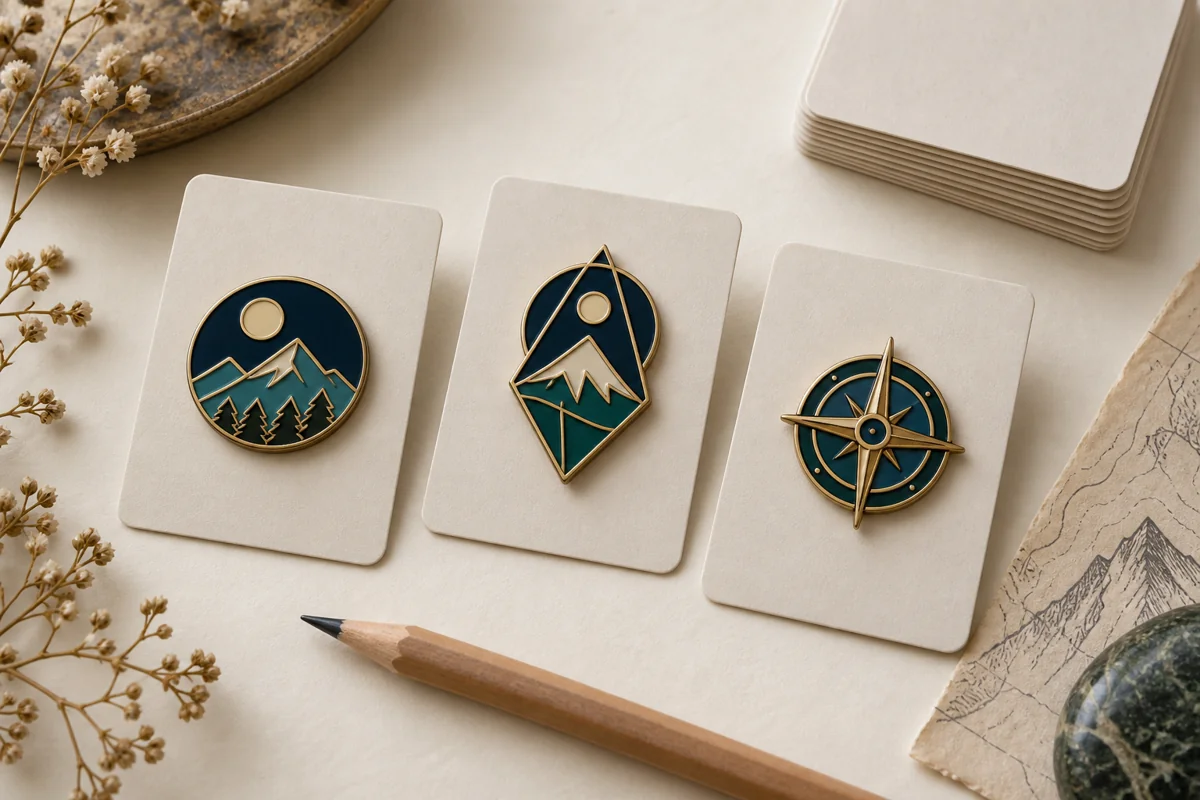
Retail packaging needs to make the pin easy to display and easy to understand. A printed backer card is usually the practical base. It can include brand story, collection name, barcode, price sticker area, and care notes. For premium releases, a rigid gift box or card with foil accents can support a higher selling price.
Trade Shows and Brand Events
At events, speed matters. Staff need to hand out pins quickly without damaging the finish or losing backings. Individual poly bags or simple cards work well. If the pin is connected to a campaign, the card should include a short message, QR code, landing page, or booth number. The package becomes a quiet follow-up tool after the visitor leaves.
Corporate Gifts and Employee Recognition
Corporate Custom Pins often benefit from cleaner, more restrained packaging. A small gift box, velvet pouch, or premium paper card can make a service anniversary pin, brand milestone pin, or leadership award feel more respectful. The packaging does not need to be expensive; it needs to feel deliberate.
Sports Teams and Fan Exchange
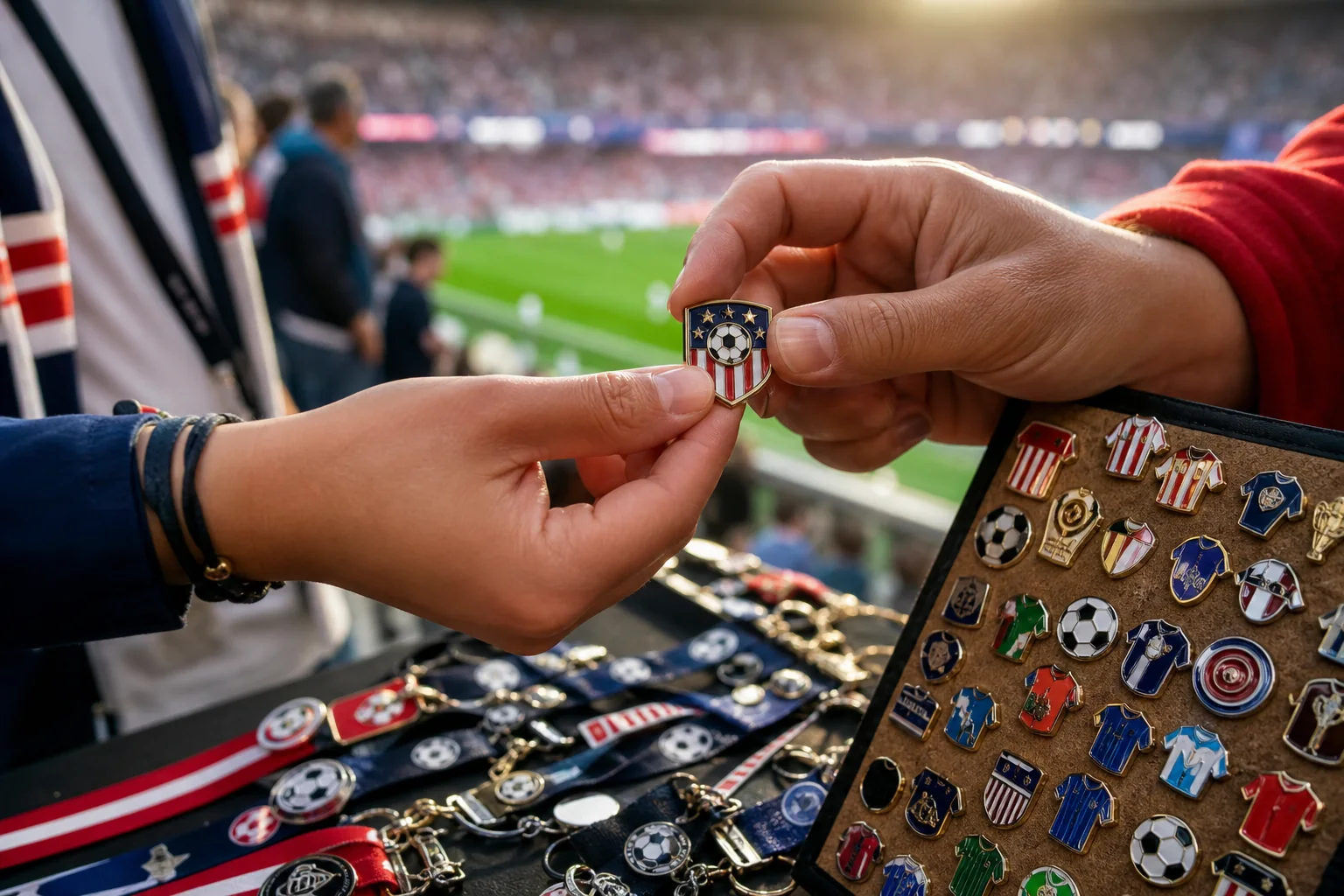
Sports programs use pins differently. Trading and collecting are part of the culture, so the package should carry identity: team name, year, event, location, roster group, mascot, or sponsor. For youth teams, backer cards can make Custom Pins easier to organize and exchange during tournaments.
Backer Cards: The Most Useful Packaging Upgrade
If a buyer can only upgrade one part of the package, the backer card is usually the best place to start. It is light, affordable, easy to customize, and useful across many channels.
A strong backer card does three things. First, it frames the pin visually so the design feels complete. Second, it explains the context: collection, event, organization, or story. Third, it supports operations by leaving room for SKU labels, barcodes, QR codes, care instructions, or reorder information.
For Custom Pins sold as collections, backer cards can also create consistency across multiple designs. A buyer can keep the same card template and change only the pin name, color band, illustration, or series number. This helps future reorders feel connected instead of improvised.
Protect the Surface Finish During Shipping
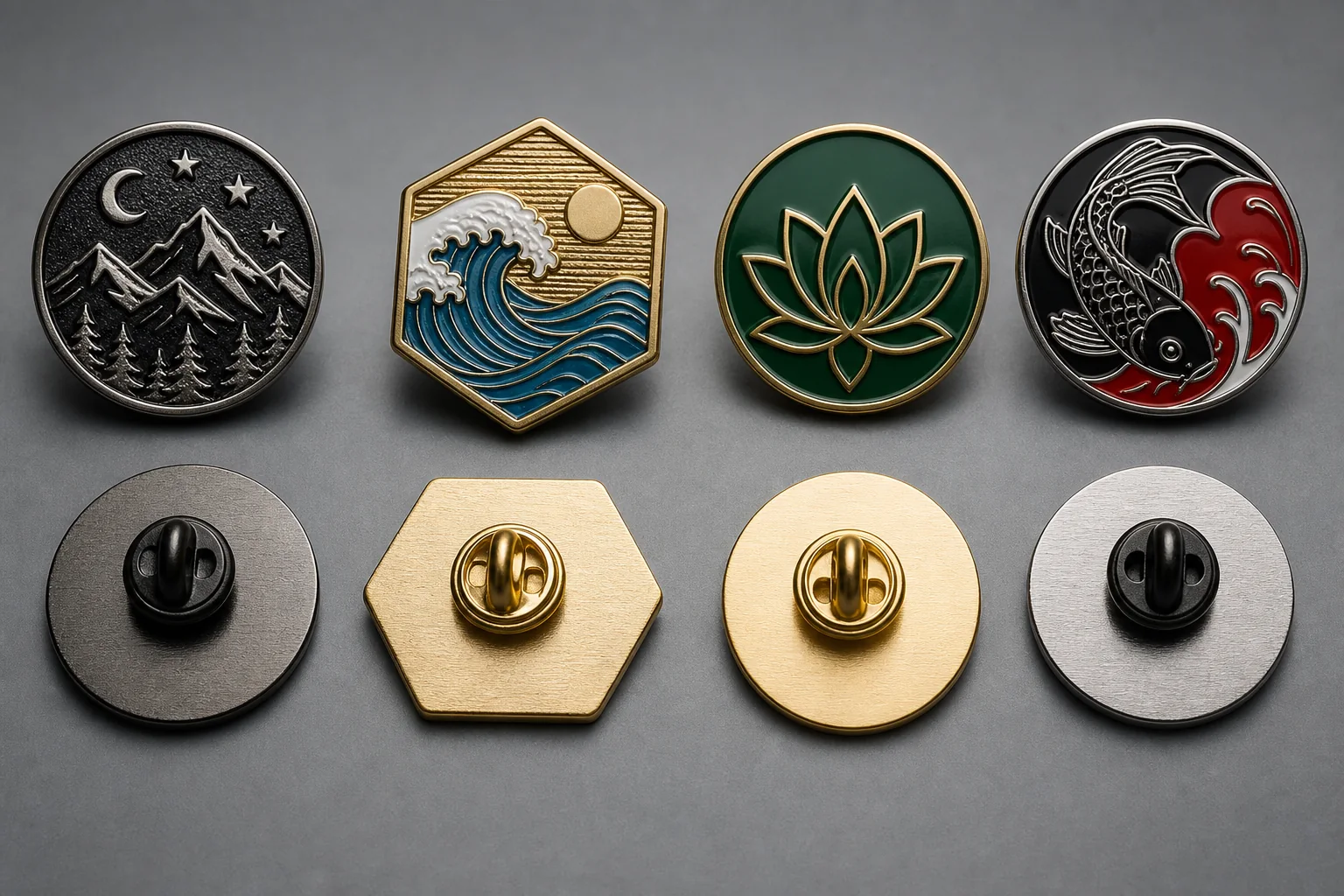
Packaging is also a quality-control issue. Enamel pins can rub against each other in transit if they are packed too loosely. Polished plating can show small scratches if the pins are not separated. Backings can detach if the package does not hold the pin firmly enough.
For bulk Custom Pins, ask how the finished pieces will be packed at three levels: individual unit, inner carton, and master carton. That may sound basic, but it prevents common problems such as mixed designs, crushed cards, bent posts, or loose clutches. If the order includes multiple designs, each design should be labeled clearly on the inner packaging.
Packaging Choices That Affect Cost and Lead Time
Simple packaging is usually fast. Printed packaging, special cards, custom boxes, inserts, and retail-ready sets need extra production time. If your launch date is fixed, packaging should be quoted early with the pins, not added after the sample is approved.
Buyers should also consider assembly labor. A pin mounted on a custom card and sealed in an OPP bag requires more handling than a bulk-packed pin. That extra step may be worthwhile for retail or gifting, but it should be included in the price comparison from the beginning.
Sustainable and Reorder-Friendly Packaging
More buyers are asking for packaging that looks responsible without becoming fragile or impractical. Paper backer cards, recyclable paper sleeves, minimal plastic, and right-sized cartons are common starting points. The best option depends on the shipping route, humidity risk, retail display needs, and budget.
Reorder-friendly packaging matters too. If a brand expects to run the same Custom Pins program every season, the card template should be easy to update. Keep source files organized, record paper weight and dimensions, and confirm whether the supplier can store card specifications for future orders.
Questions to Ask Before Ordering Packaged Custom Pins
- Will the pins be sold, gifted, traded, or used internally?
- Does the package need a barcode, SKU, QR code, or retail hook?
- Should each design have a different card or share one template?
- Will the pin need one post or two posts to sit straight on the card?
- What material and thickness should the card use?
- How will the supplier protect the plating and enamel during shipping?
- Can the package support future reorders or seasonal updates?
These questions help turn packaging from a decoration into a working part of the product plan.
الخلاصة النهائية
Custom Pins are small, but they often carry a large amount of brand, team, or event identity. Packaging decides how that identity is presented in the first few seconds. For retail buyers, it can support price and shelf appeal. For event teams, it can make distribution smoother. For corporate buyers, it can make a small object feel meaningful.
Before placing a bulk order, define the role of the package as clearly as the pin design itself. A thoughtful packaging strategy helps Custom Pins travel better, sell better, and stay memorable after the event or campaign is over.