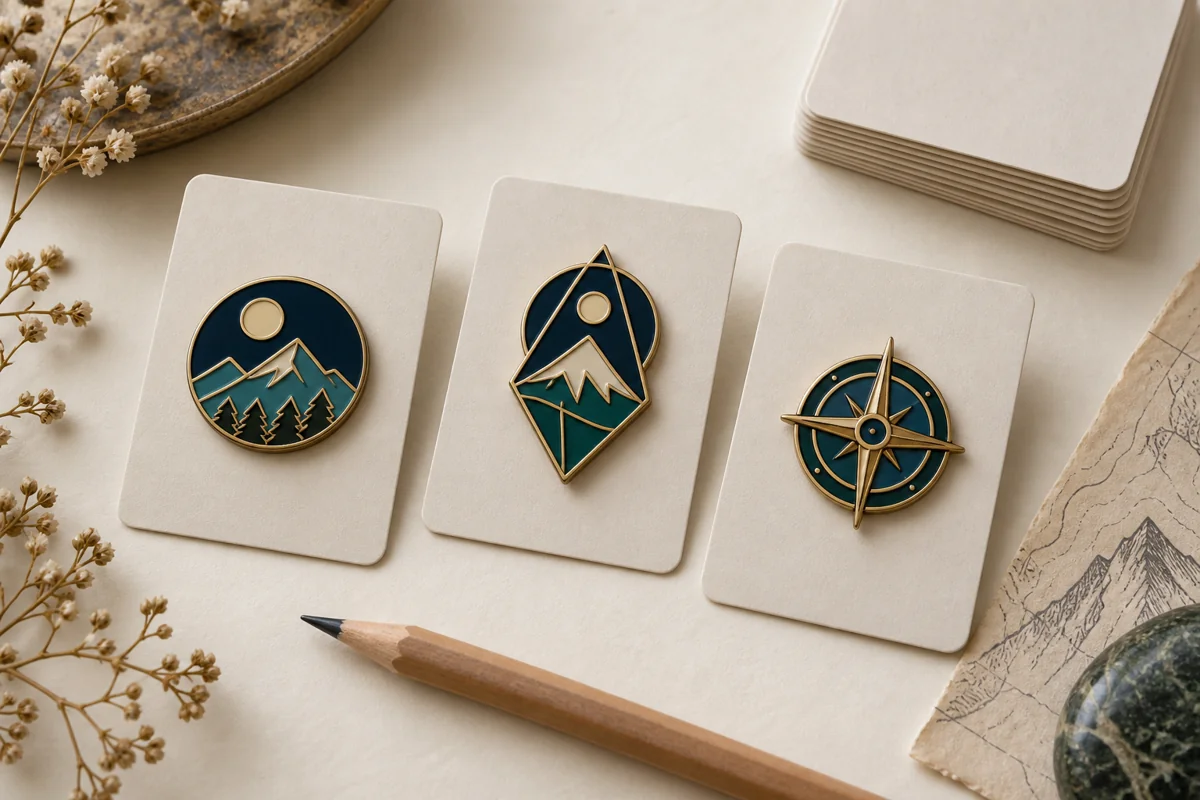




Custom Pins remain one of the most practical branded products for companies, event organizers, clubs, schools, and creators. They are small enough to distribute at scale, durable enough to be kept for years, and expressive enough to carry a logo, mascot, slogan, anniversary mark, or campaign identity. For B2B buyers, the real question is not simply whether pins are useful. The better question is how to design pins that feel intentional rather than generic.
This guide explains how to plan Custom Pins for brand campaigns, trade shows, events, clubs, and merchandise programs. It covers style selection, artwork preparation, size, plating, backing, packaging, and the production details buyers should confirm before placing an order.
Why Custom Pins Still Work for Modern Brand Merchandise
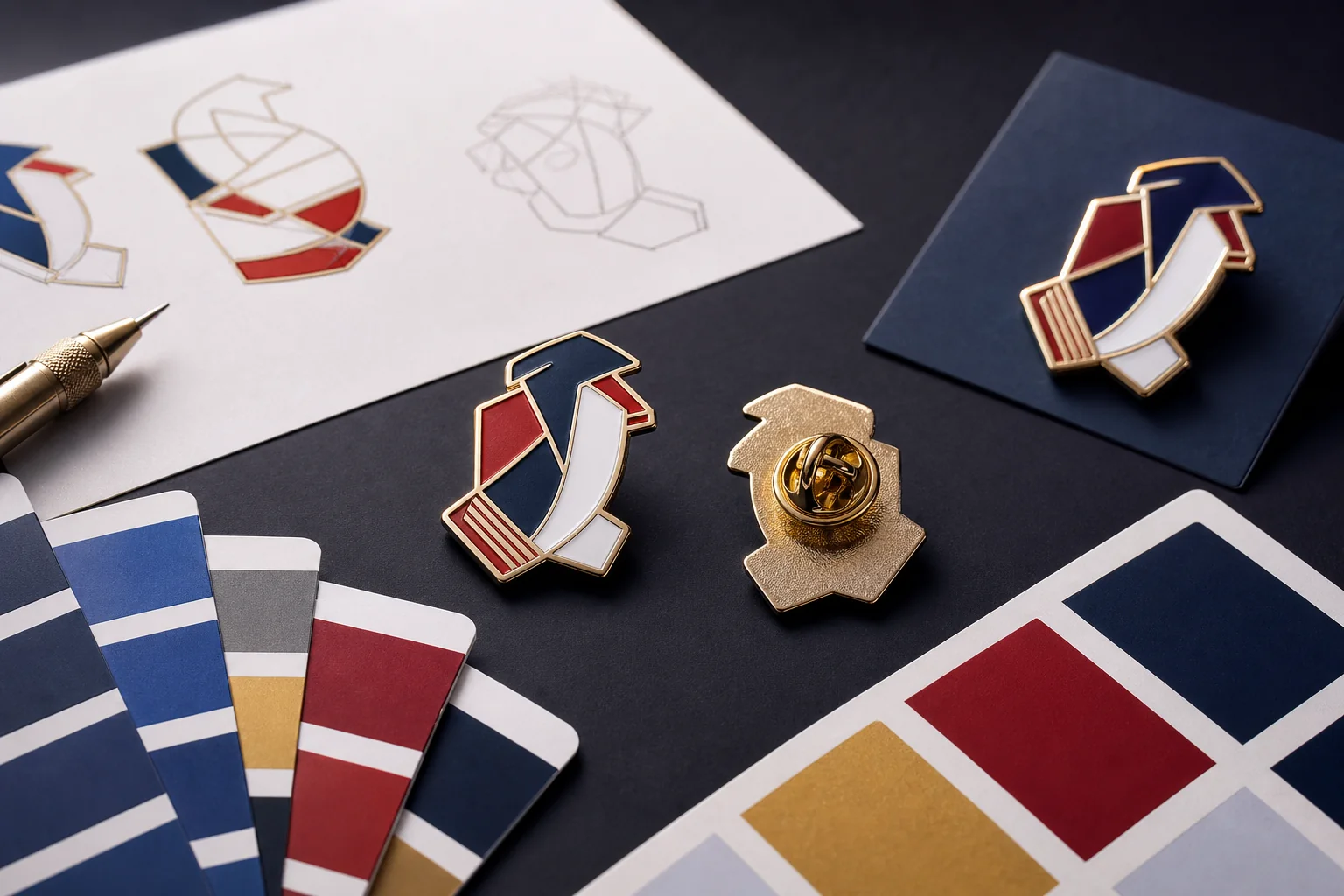
In a digital-first marketing environment, physical merchandise has a different job. It creates a small but memorable moment that a customer, employee, fan, or attendee can hold onto. Custom Pins work especially well because they combine visual identity with personal use. A pin can be worn on a jacket, attached to a lanyard, displayed on a backpack, added to a collector board, or included in a gift box.
For B2B buyers, Custom Pins also offer a useful balance between cost control and perceived value. Compared with large promotional products, pins are easier to store, ship, and distribute. Compared with printed flyers or paper coupons, they are less likely to be thrown away. A well-designed pin can become a miniature brand asset rather than a one-time giveaway.
The best Custom Pins are not designed as small advertisements. They are designed as objects people want to keep. That shift in thinking is important for brands that care about long-term visibility, repeat event participation, or community identity.
Choosing the Right Style for Your Custom Pins
When a brand orders Custom Pins, style selection should come before decoration details. The manufacturing style affects the pin’s texture, price, color appearance, durability, and perceived value. Below are the most common options for B2B projects.
Soft Enamel Pins for Bold Color and Texture
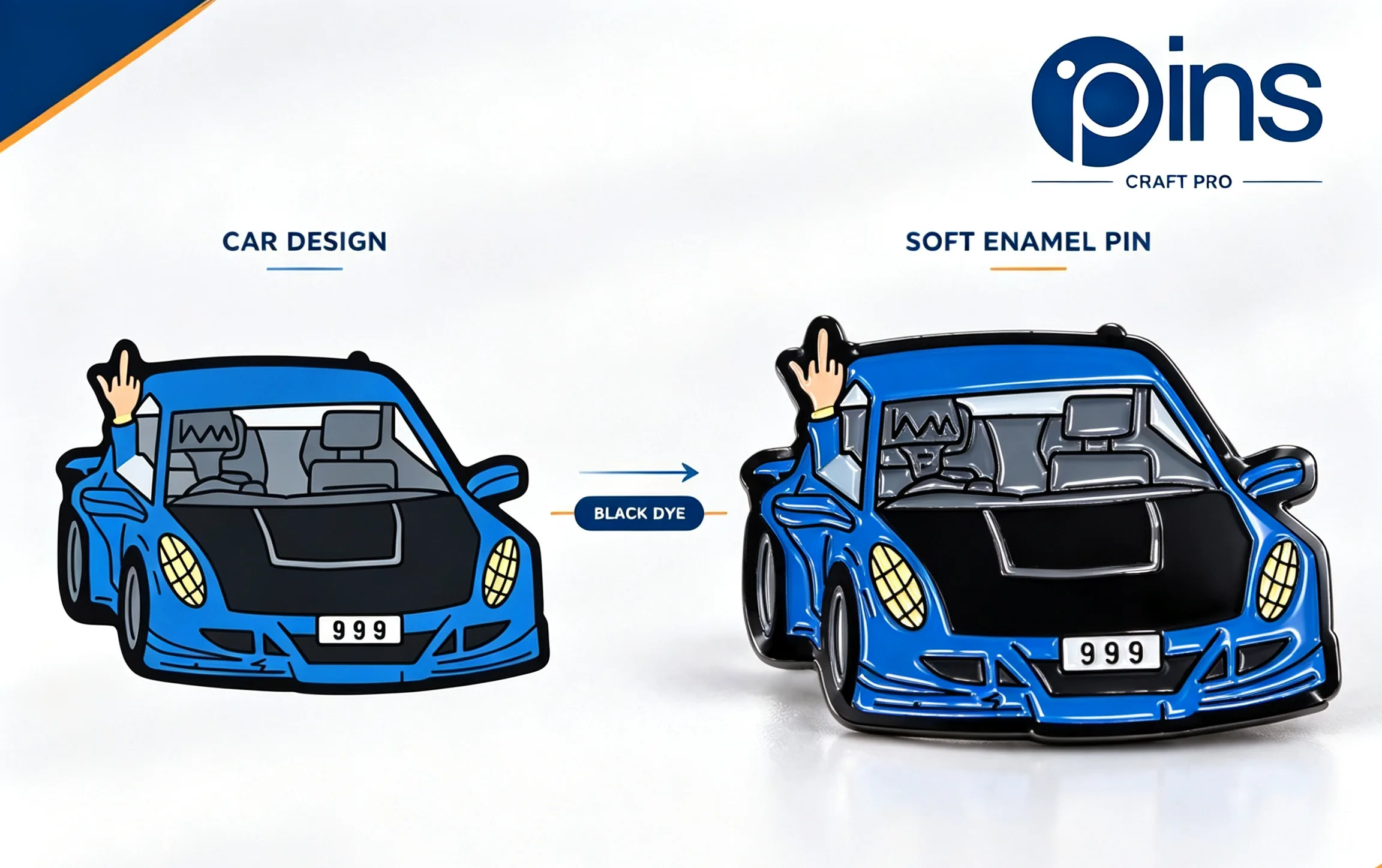
Soft enamel pins are known for their raised metal borders and recessed enamel color areas. This creates a tactile surface that feels dimensional when touched. Soft enamel is often a strong choice for event pins, club pins, youth sports pins, fan merchandise, and creative brand campaigns that need bold color at a practical unit cost.
Soft enamel Custom Pins are especially effective when the artwork uses strong outlines, simple shapes, and separated color blocks. They are also suitable for add-ons such as glitter, glow enamel, epoxy coating, or special plating if the project needs a more collectible look.
Hard Enamel Pins for Premium Brand Gifts
Hard enamel pins are polished until the enamel sits flush with the metal surface. The result is smooth, glossy, and highly durable. This style is often preferred for corporate gifts, anniversary pins, luxury packaging, employee recognition, membership programs, and higher-end merchandise.
Hard enamel Custom Pins usually communicate a more refined impression. If the pin will be included in a premium box, sold as branded merchandise, or used as a long-term recognition item, hard enamel is often worth considering.
Printed, 3D, and Cut-Out Pins for Special Designs
Not every design should be translated into enamel. Printed pins are useful when the artwork includes gradients, photographs, shadows, or complex illustrations that cannot be separated cleanly by metal lines. 3D pins can add sculptural depth to mascots, symbols, and dimensional objects. Cut-out pins create a clean silhouette by removing background metal around specific shapes.
The most successful projects match the pin style to the artwork instead of forcing the artwork into the wrong production method.
How to Prepare Artwork Before Ordering Custom Pins
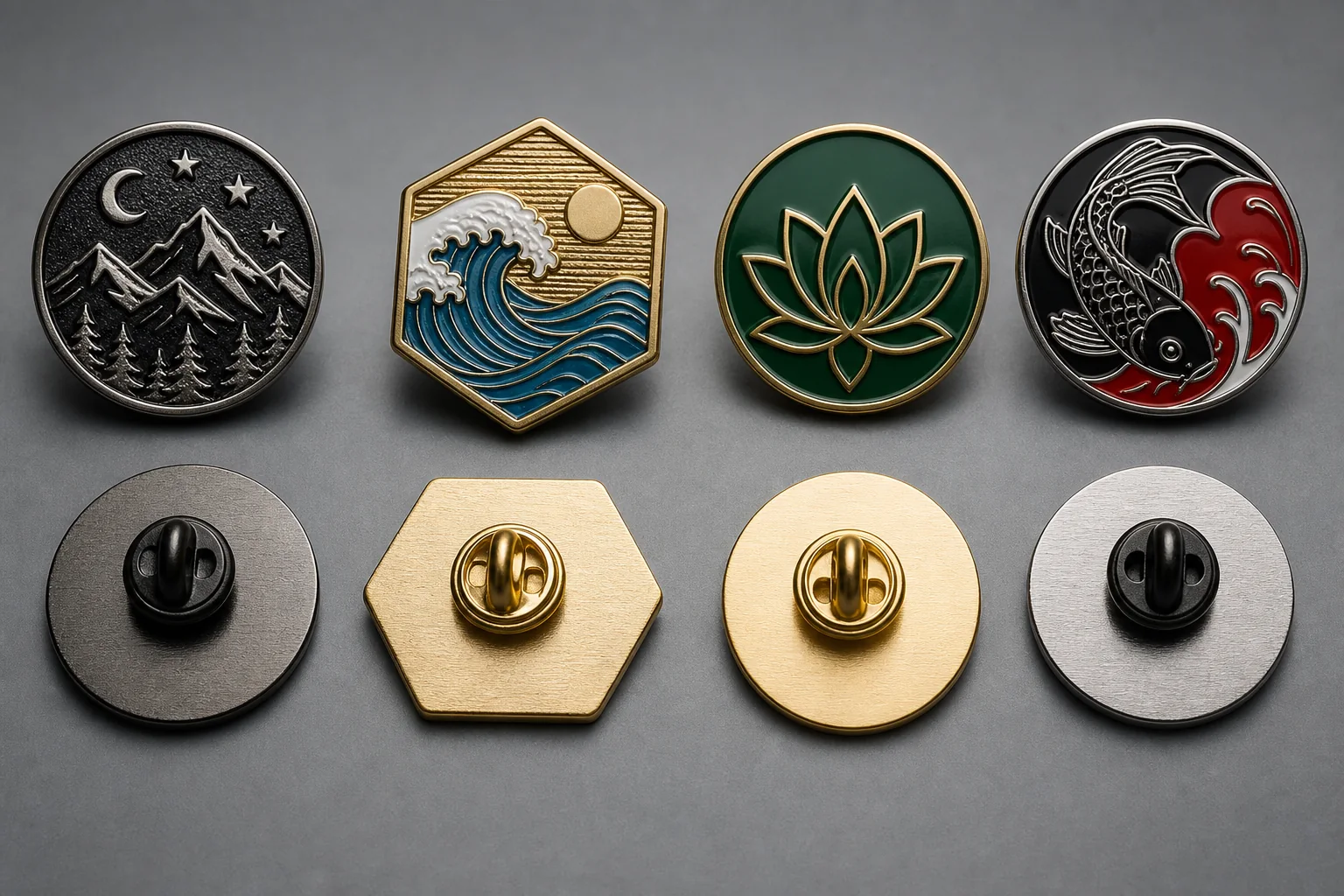
A good Custom Pins project begins with production-ready artwork. Vector files such as AI, EPS, or PDF are preferred because they allow the manufacturer to adjust lines, colors, and die-cut shapes without losing quality. High-resolution PNG files can also help as references, but they should not be the only source if the design is complex.
Buyers should pay close attention to three artwork details: line thickness, small text, and color separation. Enamel pins require metal borders between color areas, so extremely thin lines or tiny lettering may not reproduce well. If the pin is smaller than 25 mm, the design may need to be simplified.
Custom Pins should also use controlled colors. Pantone references are helpful because screen colors can vary from one device to another. A clear color guide reduces revision cycles and helps the final product match the intended brand palette.
Size, Plating, Backing, and Packaging Decisions
For most Custom Pins, common sizes range from 20 mm to 50 mm. Small pins are subtle and cost-efficient, while larger pins allow more detail and stronger shelf appeal. A simple logo may work well at 25 mm, but a mascot or multi-element event badge may need 35 mm or more.
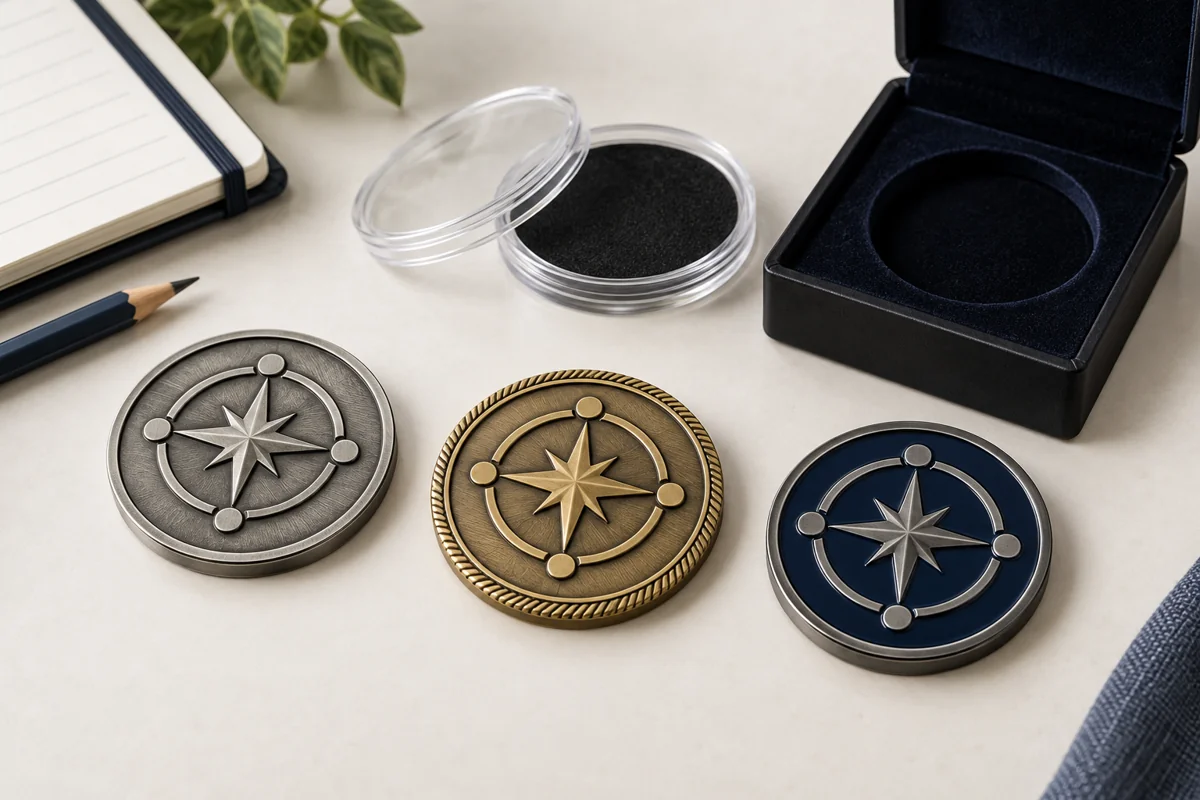
Plating changes the overall mood of the product. Gold plating feels warm and premium. Silver plating looks clean and versatile. Black nickel can make bright enamel colors stand out. Antique finishes are useful for heritage, military, club, or commemorative styles.
Backing should match the use case. Butterfly clutches are common for lapels and uniforms. Rubber clutches are comfortable for daily wear. Magnetic backs are useful when buyers want to avoid puncturing fabric. Safety pins can work well for larger badges or event use.
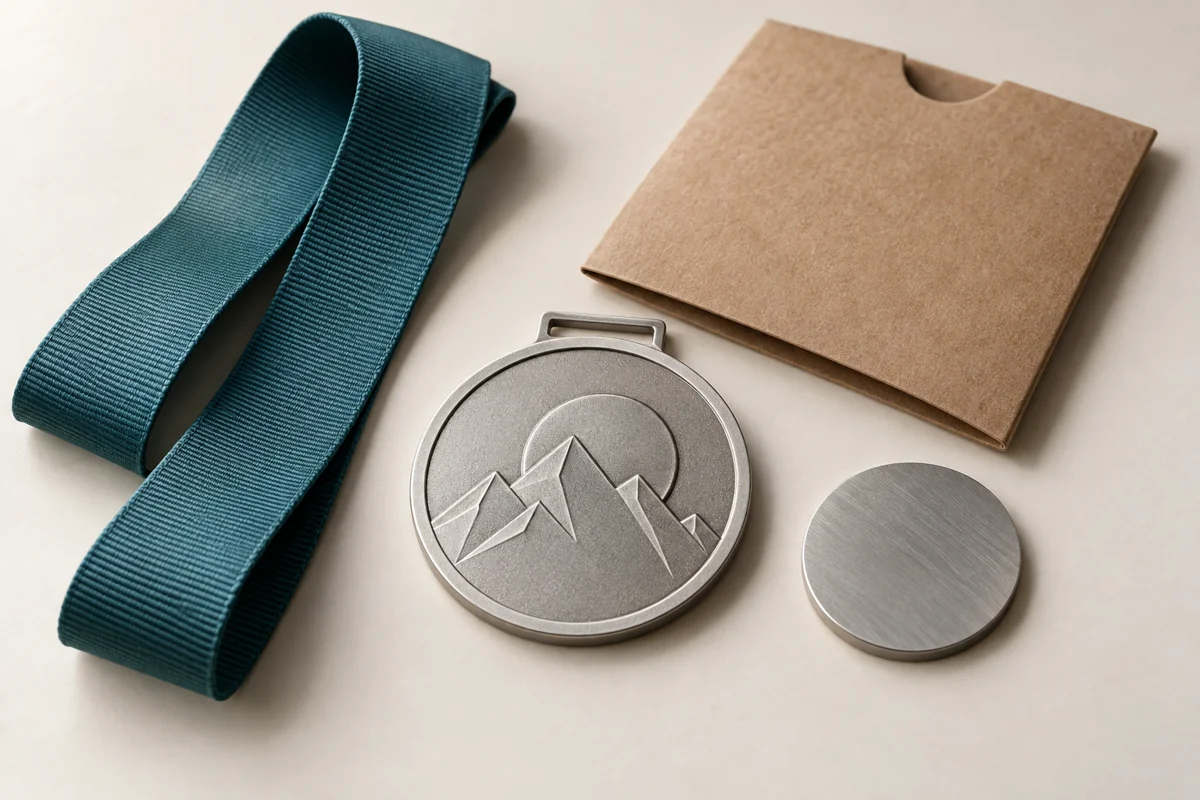
Packaging also matters. Bulk poly bags may be enough for event distribution, while backing cards, velvet pouches, acrylic boxes, or gift boxes can increase retail and presentation value. If the pins will be sold as merchandise, packaging should be planned as part of the product, not as an afterthought.
B2B Ordering Checklist for Custom Pins
Before requesting a quote for Custom Pins, buyers should prepare the following information:
- Artwork file or clear logo reference
- Preferred pin style, such as soft enamel, hard enamel, printed, or 3D
- Estimated size and quantity
- Plating color and backing type
- Packaging requirements
- Target delivery date and shipping country
- Any special effects, such as glitter, epoxy, spinner, or glow enamel
This checklist helps the manufacturer provide accurate pricing and production timing. It also reduces the risk of artwork revisions after the order has started. Buyers who are still comparing options can use the main Custom Pins page as a reference point for available styles and specifications.
Common Design Mistakes to Avoid
The most common mistake is adding too much detail to a small pin. A design that looks impressive on a screen may become crowded when reduced to 30 mm. Another mistake is choosing a trendy effect without considering the brand message. Glitter, translucent enamel, or special plating can be excellent, but only when they support the design.
Buyers should also avoid treating all Custom Pins as the same product. A pin for a school club, a retail brand, and an executive recognition program should not look identical. The audience, distribution channel, and desired emotional response should guide the final design decisions.
FAQ
What is the best style for Custom Pins?
The best style depends on the artwork and use case. Soft enamel is popular for bold, textured, cost-effective pins, while hard enamel is better for polished premium gifts. Printed pins are useful for gradients or detailed illustrations.
How long does it take to produce Custom Pins?
Production time depends on quantity, complexity, proof approval, and shipping method. Buyers should allow extra time for artwork review, sample confirmation, and international delivery when planning event deadlines.
Are Custom Pins suitable for corporate gifts?
Yes. Custom Pins can work well for employee recognition, anniversary gifts, conference giveaways, membership programs, and branded packaging. For premium corporate use, hard enamel, custom backing cards, or gift boxes can improve presentation.
What makes Custom Pins collectible?
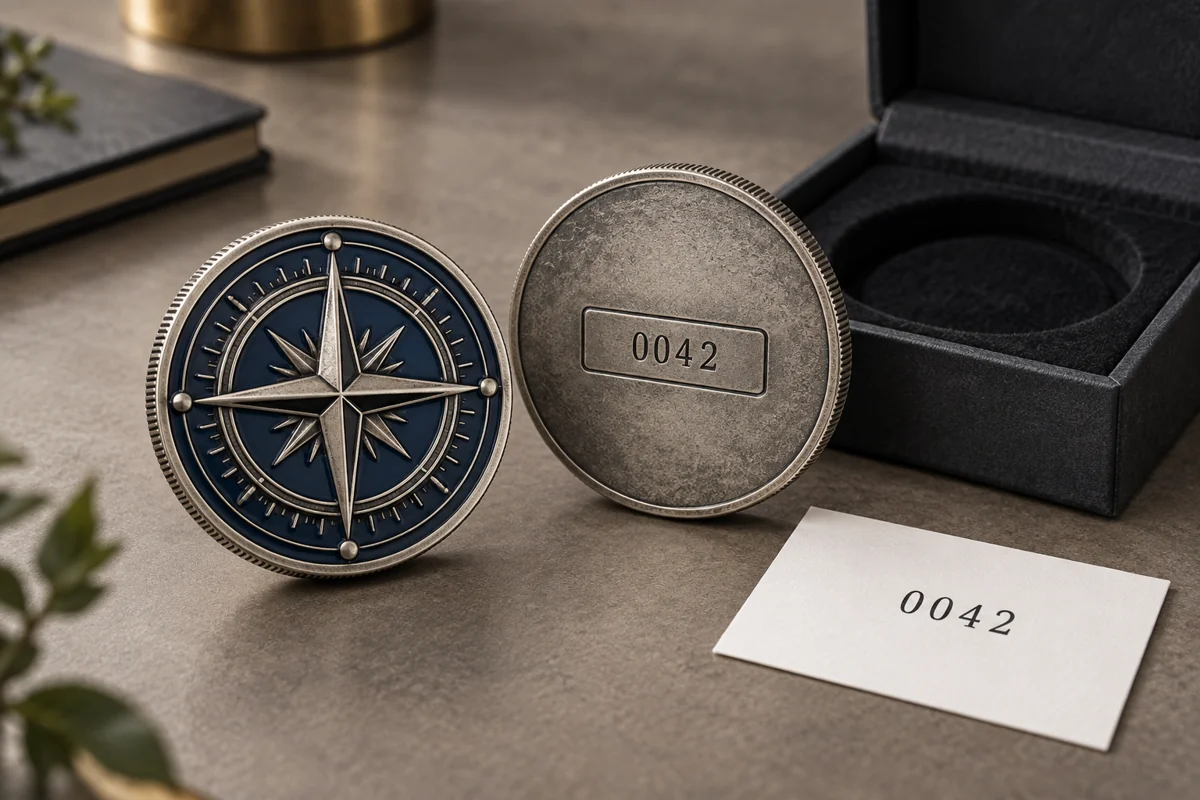
Collectibility often comes from limited editions, event dates, city names, series designs, character artwork, or team identity. A pin becomes more valuable when it marks a specific moment or community.