



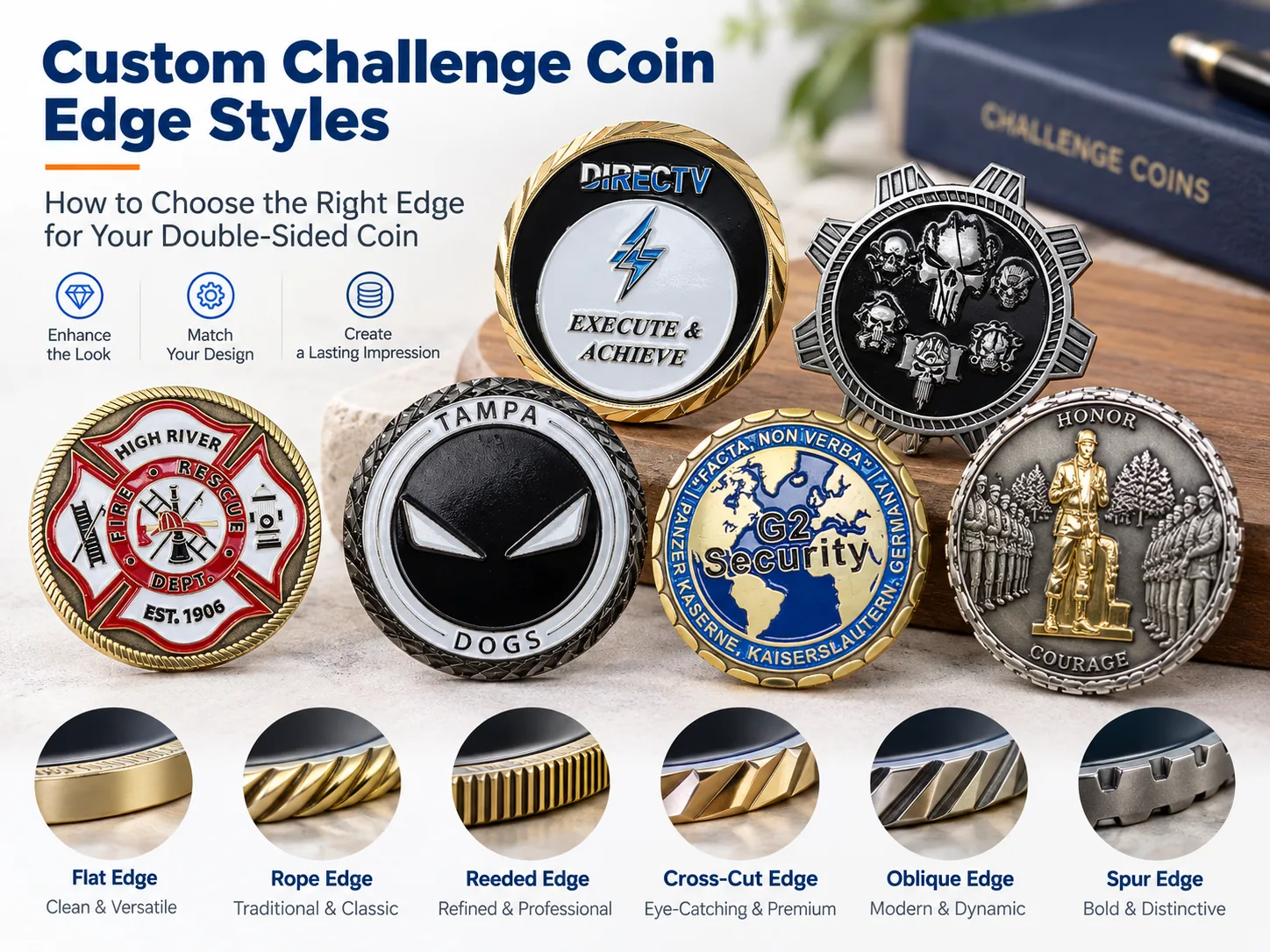
Custom Pins may look simple from the outside, but the production process involves many decisions that affect price, appearance, durability, and delivery timing. For B2B buyers, understanding the manufacturing workflow helps reduce mistakes before they become expensive. It also makes communication with the supplier faster and more precise.
This guide explains how Custom Pins move from artwork to finished product, what quality checkpoints matter, and how buyers can prepare a cleaner purchase request. It is written for brands, event agencies, clubs, schools, promotional product distributors, and merchandise teams that order pins in bulk.
Step 1: Artwork Review and Production Feasibility
Every Custom Pins order begins with artwork review. The supplier checks whether the design can be produced at the requested size and style. This step is important because enamel pins need enough space for metal lines, color separation, and readable details.
Some artwork needs small adjustments before production. Thin lines may need to be thickened. Tiny text may need to be removed or enlarged. Gradients may need to be converted into solid colors unless the buyer chooses printed pins. A good proofing process protects both the buyer and the manufacturer.
Buyers should provide vector artwork whenever possible. AI, EPS, or PDF files usually allow cleaner adjustments than screenshots or compressed images. If only a PNG is available, it should be high-resolution and supported by clear color instructions.
Step 2: Mold, Metal Base, and Plating Choice
After proof approval, the design is translated into a mold or die. This step defines the shape, raised metal lines, recessed enamel areas, and cut-out details. The mold affects how crisp the final pin will look, especially around small shapes and borders.
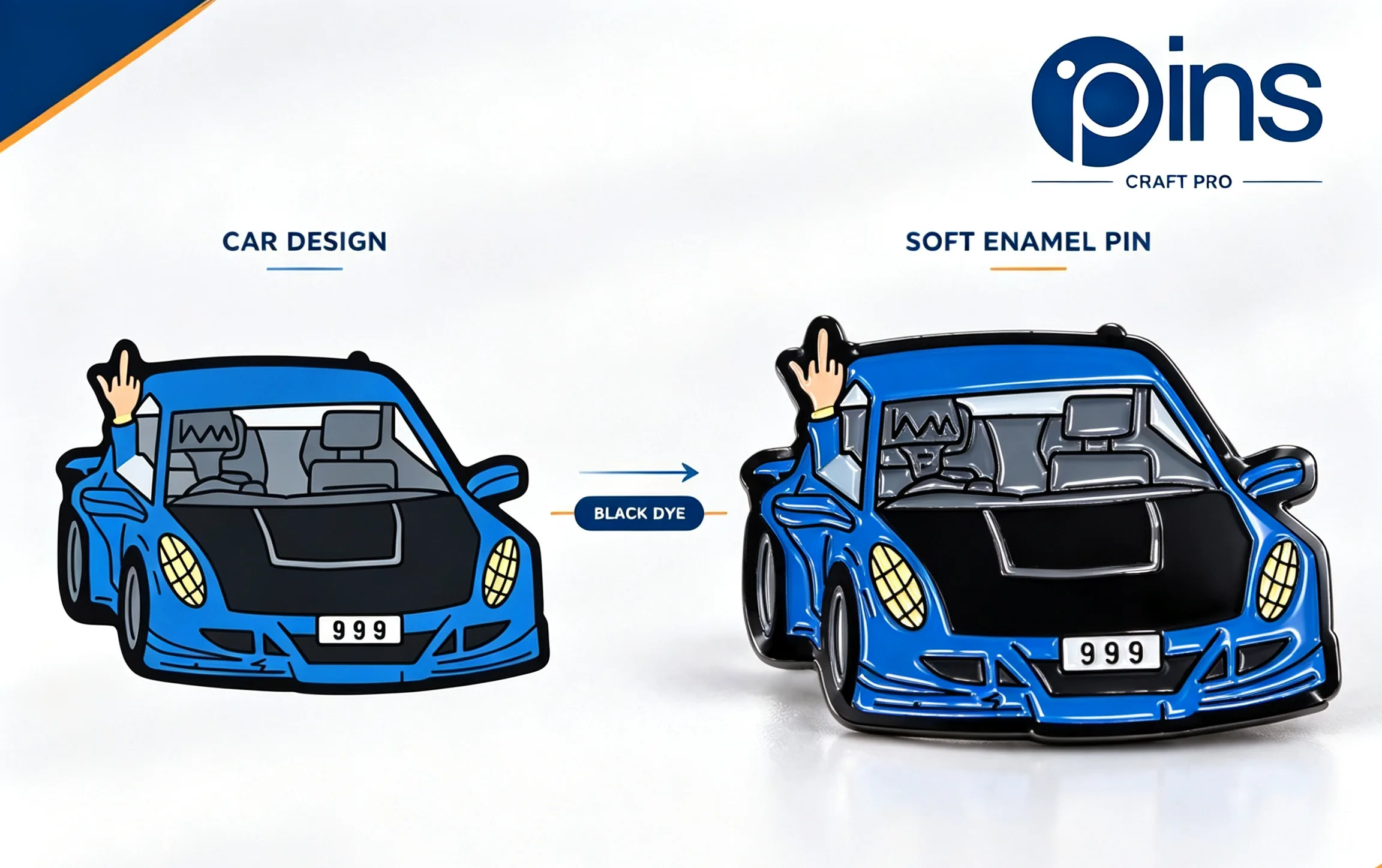
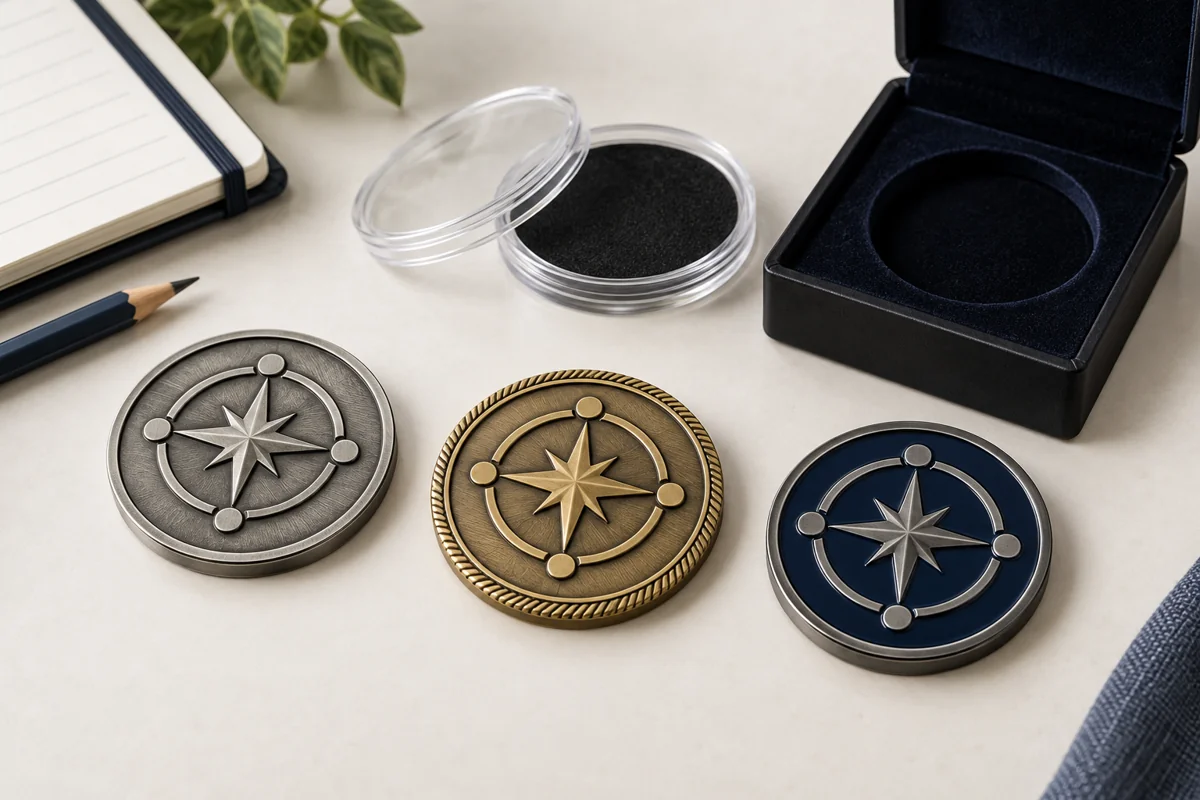
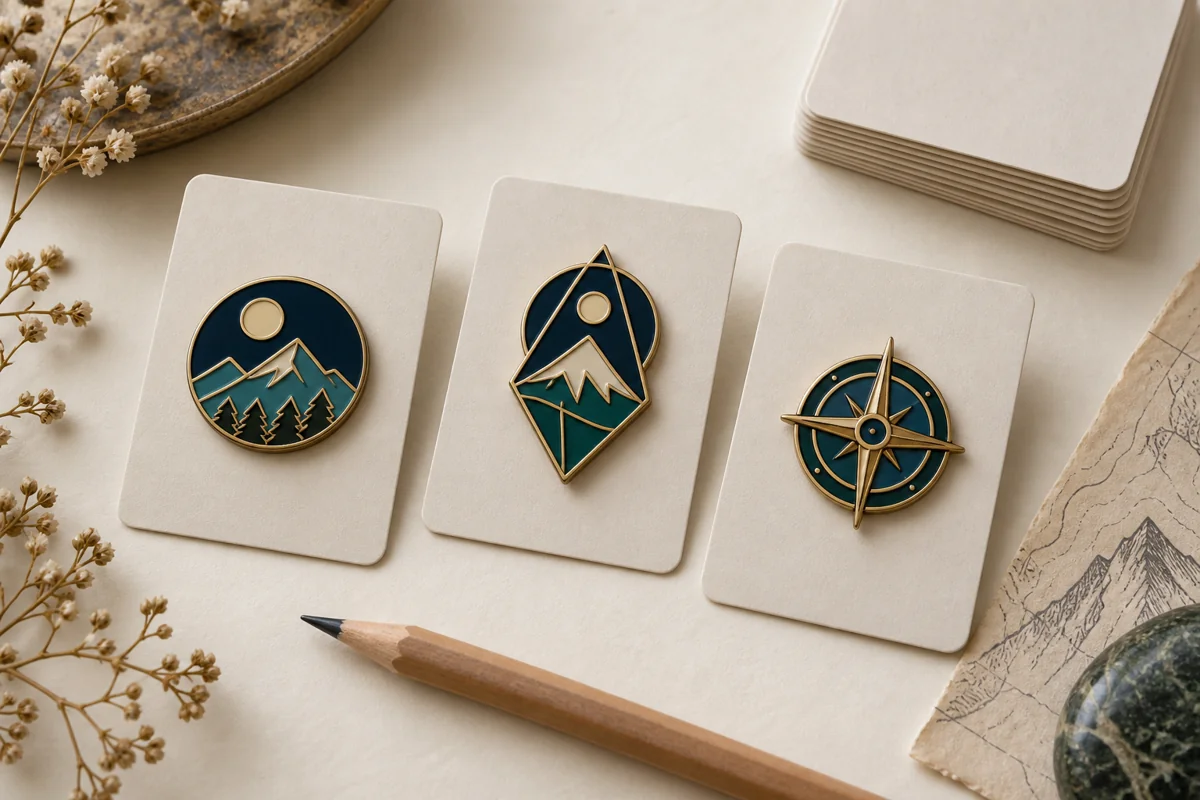
Plating is then selected to create the metal finish. Gold, silver, black nickel, rose gold, copper, and antique finishes all change how Custom Pins feel visually. Gold often works well for premium or celebratory designs. Black nickel can create stronger contrast for bright enamel colors. Antique plating adds a heritage look for commemorative or club designs.
Because plating influences both style and readability, buyers should review plating recommendations before final approval. A design that looks balanced in silver may feel heavier or more dramatic in black nickel.
Step 3: Enamel Filling, Printing, or Special Effects
The next step depends on the pin style. Soft enamel pins are filled with enamel below the raised metal lines, creating a textured surface. Hard enamel pins are filled and polished until the enamel is smooth and flush with the metal. Printed pins may use surface printing for artwork that includes gradients, fine detail, or photographic elements.
Custom Pins can also include special effects such as glitter enamel, translucent enamel, glow enamel, epoxy coating, spinners, sliders, dangling charms, or rhinestones. These upgrades can be useful for retail merchandise and fan collectibles, but they should be chosen carefully. Too many effects can make the product look crowded or increase cost without improving the design.
For B2B buyers, the best question is not “Which effect looks exciting?” but “Which effect supports the purpose of this pin?” A corporate recognition pin may need polish and restraint. A youth sports trading pin may benefit from brighter effects and playful movement.
Step 4: Backing, Packaging, and Bulk Handling
Backing type affects how the pin will be used. Butterfly clutches are widely used and cost-effective. Rubber clutches feel comfortable and are popular for daily wear. Magnetic backs are useful for corporate clothing because they avoid fabric punctures. Safety pin backs may be better for larger badges or event credentials.
Packaging should be planned according to the distribution channel. Bulk Custom Pins for event giveaways may only need individual poly bags. Retail merchandise may require branded backing cards. Premium gifts may use velvet pouches, acrylic boxes, or rigid gift boxes.
Buyers should confirm packaging early because it affects both production timeline and shipping volume. A pin with a backing card and box takes more space than a pin packed in bulk bags, which can influence freight cost.
Step 5: Quality Inspection Before Shipment
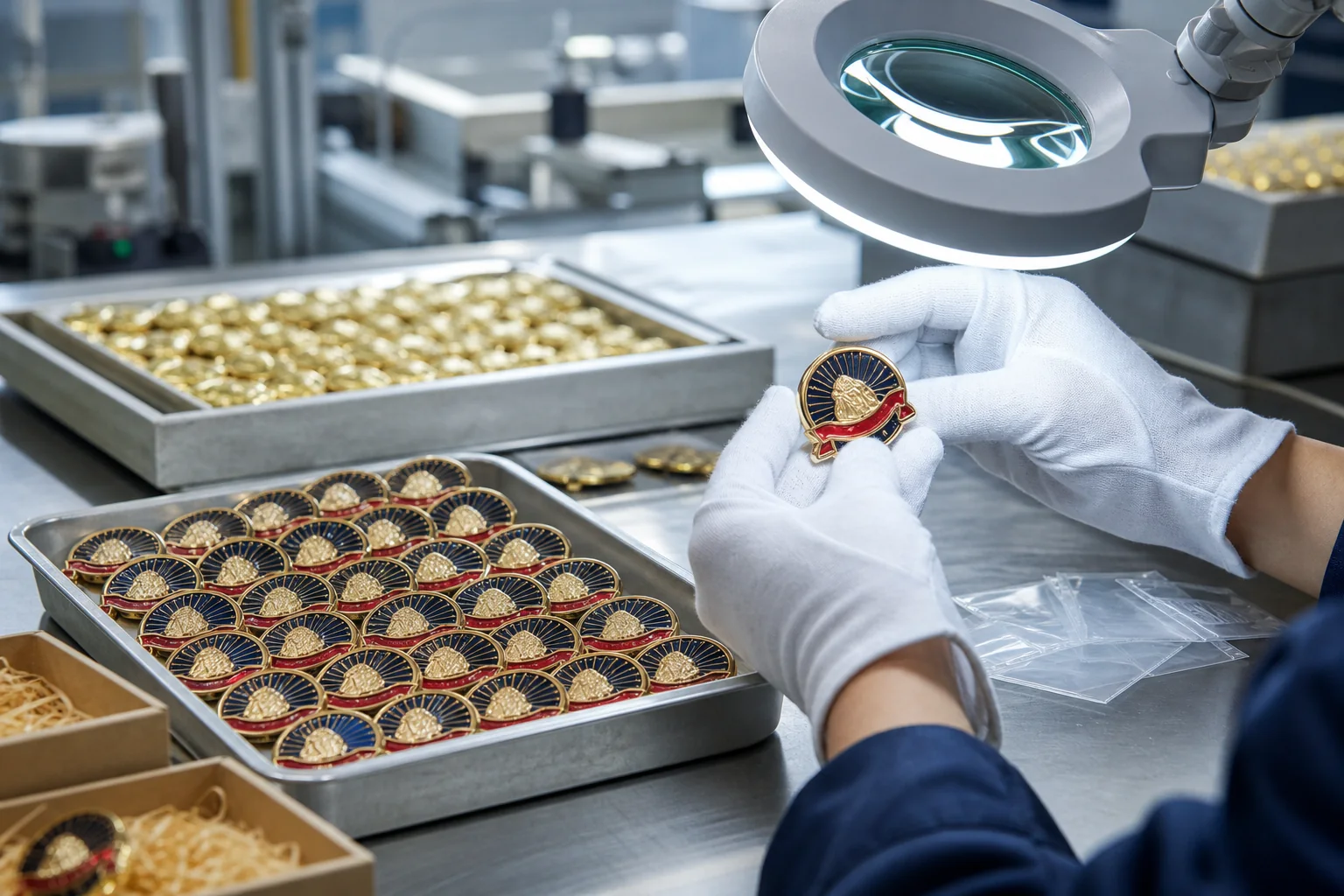
Quality control should check both appearance and function. For Custom Pins, common inspection points include enamel color consistency, metal plating, scratches, missing enamel, rough edges, backing strength, shape accuracy, and packaging condition.
Color review is especially important for brand projects. Small differences may be acceptable for general merchandise, but corporate identity items often require closer color matching. Buyers should provide Pantone references when brand color accuracy matters.
Functional testing also matters. The backing should hold securely, magnets should be strong enough for the intended use, and sharp edges should be avoided. These checks help reduce complaints after the products arrive.
A Practical Checklist for B2B Buyers
Before production begins, buyers should confirm the following details with the supplier:
- Final artwork proof and size
- Pin style: soft enamel, hard enamel, printed, die struck, or 3D
- Metal plating and enamel colors
- Backing type and packaging method
- Quantity, sample needs, and delivery deadline
- Shipping address and import requirements
- Inspection expectations and acceptable tolerance
This checklist is especially useful when Custom Pins are ordered for a fixed event date. Delays often happen when artwork, packaging, or shipping details are unclear at the beginning.
How Manufacturing Knowledge Improves Design Decisions
Understanding production does not mean buyers need to become engineers. It simply helps them make smarter design decisions. A buyer who understands minimum line thickness will avoid overly detailed artwork. A buyer who understands plating contrast will choose a finish that supports readability. A buyer who understands packaging volume will plan shipping more accurately.
This is why experienced merchandise teams often involve the manufacturer early. Instead of sending a finished concept and asking for a price only, they ask what size, style, and finish will work best for the artwork. That conversation often leads to better Custom Pins and fewer revisions.
When to Request Samples
Samples are useful for large orders, premium merchandise, retail programs, and strict brand projects. A sample allows the buyer to check color, plating, size, surface texture, and backing before mass production. For very urgent or low-budget projects, buyers may skip samples and approve a digital proof, but this creates more responsibility at the proofing stage.
If the project includes new artwork, unusual plating, special packaging, or a major event deadline, a sample can provide peace of mind. It may add time to the schedule, but it can reduce the risk of producing thousands of pins with a preventable issue.
FAQ
What file format is best for Custom Pins production?
Vector artwork such as AI, EPS, or PDF is best. High-resolution PNG files can be used as references, but vector files usually give the manufacturer better control over lines, colors, and shapes.
How can buyers reduce production problems?
Buyers can reduce problems by approving a clear proof, simplifying small details, confirming Pantone colors, choosing the right backing, and sharing the delivery deadline before production starts.
Are samples necessary for Custom Pins?
Samples are not always required, but they are recommended for large orders, premium gifts, strict brand colors, retail merchandise, or projects with complex effects.
What affects the cost of Custom Pins?
Cost is influenced by size, quantity, material, pin style, plating, color count, special effects, backing, packaging, sample needs, and shipping method.