






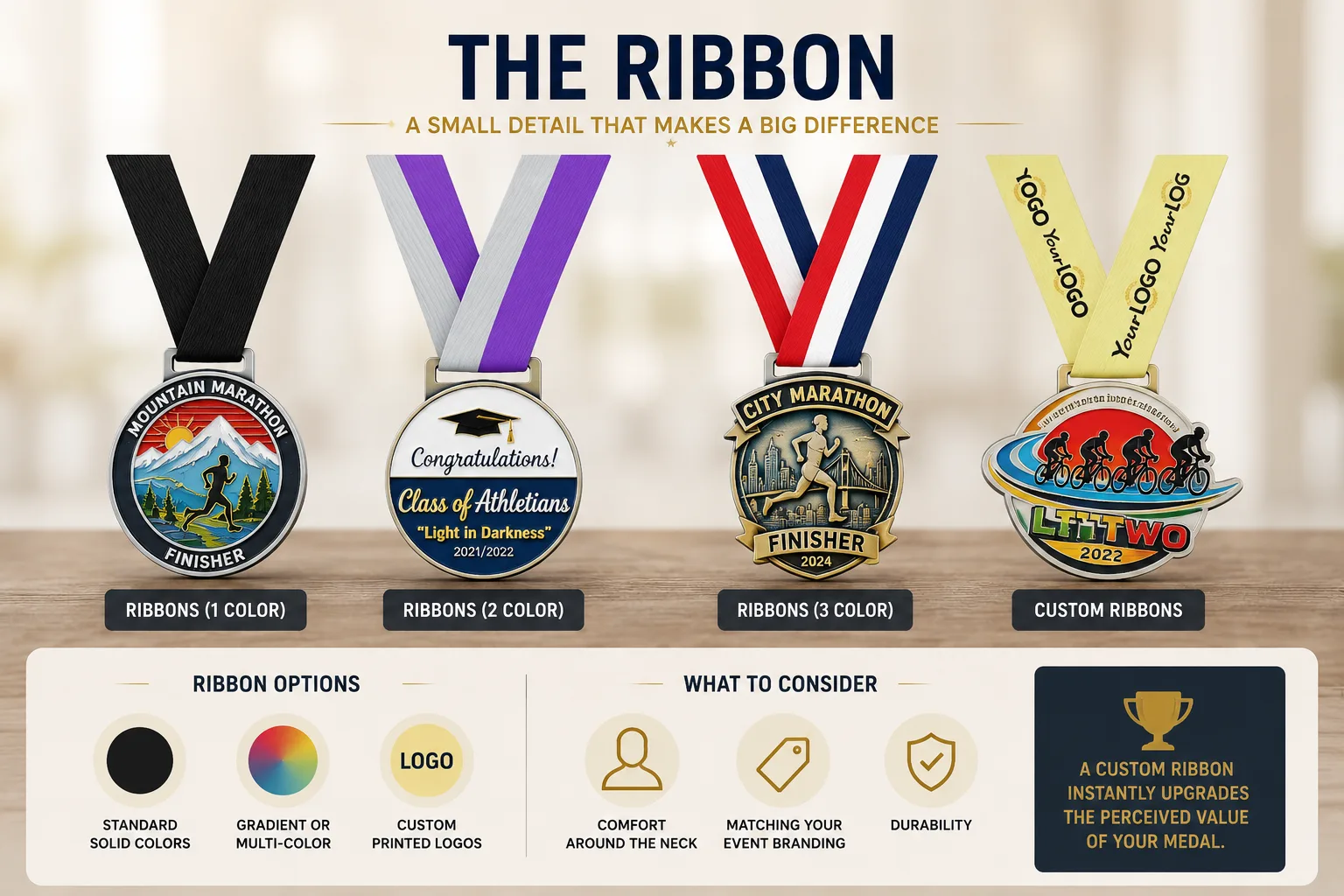
A holiday gift program can have one approved design and still become complicated at dispatch. Different offices need different quantities, one location wants presentation boxes and another needs individual mailers. Planning holiday custom pins and coins means approving both the object and the delivery plan.
In its October 5, 2026 report on PAPPA’s fall client expo, PPAI highlighted holiday gifting interest and buyer questions about pricing, turnaround and customization. For a metal gift program, those questions need a destination-by-destination answer before the order reaches packing.

Decide what every recipient should receive
Define the complete kit: pin or coin, attachment where applicable, presentation packaging, message card and any outer protection. If the kit joins other gifts at a local office, decide which team performs the final assembly.
Keep the base design consistent unless a variation serves a clear purpose. Office names, dates or separate messages create additional versions to proof, count and distribute. An internal list of variants is easier to manage when each has a short, unique stock code.
Use required arrival dates, not just celebration dates
An office party on a Friday may need stock in the building several days earlier for inspection and kit assembly. Ask each location for the date the goods must be received and ready to handle. Build the schedule around the earliest real requirement.
Separate artwork approval, sample review, production, packing, dispatch and transit in the schedule. Confirm which stages are included in any supplier estimate. Do not interpret a production duration as a guarantee of delivery to every destination.
Create one allocation sheet for the whole order
| Field | Why it matters |
|---|---|
| Location and stock code | Identifies the destination and correct kit version |
| Recipient quantity | Defines what each location can distribute |
| Local reserve | Keeps contingency stock visible |
| Required arrival date | Sets the practical delivery target |
| Packing method | Distinguishes complete kits from bulk components |
| Receiving contact | Provides a person who can accept and check the shipment |
Have one person control the sheet and date every approved revision. A new address sent in a separate email should not become a second unofficial shipping plan. Confirm the final list with whoever is actually arranging dispatch.
Compare central delivery with split shipments
Central delivery can simplify the supplier’s dispatch but leaves your team responsible for sorting, repacking and onward transport. Split shipments can reduce that internal work while adding destination-level packing and shipping requirements. Compare the full workflow rather than only the first freight charge.
For international destinations, ask the shipping provider to confirm the service scope, paperwork and who handles import costs. Destination requirements can differ. Build the quote from the actual locations and merchandise description instead of applying an assumed flat delivery cost.
Approve one complete packed kit
Use a physical assembled sample when fit or presentation matters. Check whether the coin fits its insert, whether a pin backing presses against the card and whether the lid closes naturally. Photograph the approved arrangement so packing staff have a clear reference.
Decide what should be visible when the recipient opens the package. A message card placed over the product changes the presentation, even though all the correct components are present. Specify the packing order when the unboxing sequence matters to the program.
Count units and cartons independently
An illustrative program for three offices could allocate 240, 160 and 100 kits, plus a central reserve of 20, for a total of 520. Make the allocation add up before labels are printed. Then document units per carton and any partial carton.
Label each carton with destination, stock code, carton number and unit count. Send a packing list that uses the same terms. Receiving teams should be able to reconcile the shipment without opening every gift box or guessing which variation is inside.
Set a deadline for changes
Agree when artwork, quantities, addresses and card wording become final. A late change to one office’s quantity may require reallocating another carton or revising shipping charges. Ask for an updated confirmation rather than assuming the original schedule still applies.
Keep a small, deliberate contingency plan. Identify where spare kits will be held and who can authorize a transfer if a location’s headcount changes. Avoid spreading all reserve stock across destinations without a record of who has it.
Send a quote request that includes fulfillment
Provide the design, total quantity, kit components, location breakdown and required arrival dates. Ask the supplier which fulfillment steps it can perform and which remain with your team. The most useful comparison is the cost and schedule for a complete, deliverable program.
Rezension Anstecknadeln oder individuelle Wandermünzen for the product, then use the packaging strategy guide to finish the kit brief. Keep the approved design and allocation sheet together through dispatch.