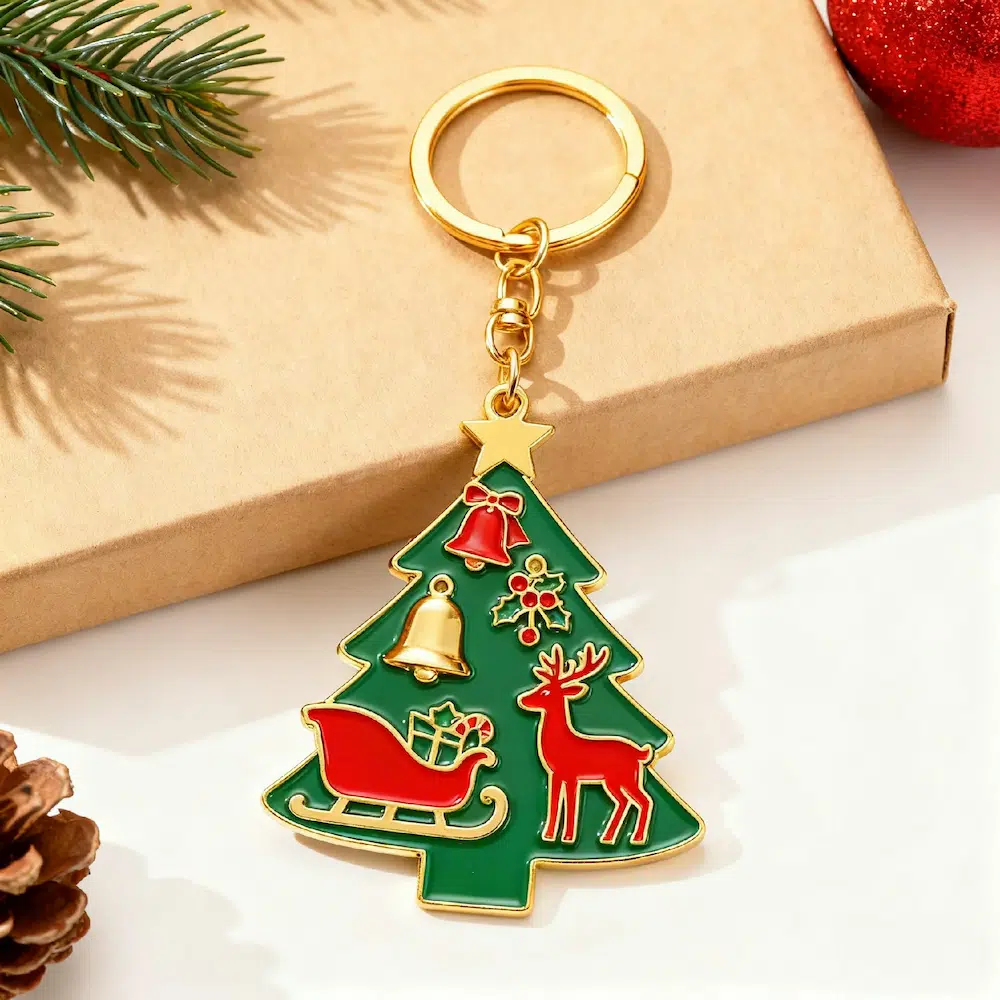




Charity lapel pins can serve several different jobs: thank supporters, identify volunteers, accompany a donation or raise funds through a sale. The first planning decision is which job the pin should do. Combining every objective into one design often makes both the artwork and the stock plan harder to manage.
Set the campaign purpose before choosing colors or requesting a price. A clear brief helps your team decide what belongs on the pin, what belongs on the backing card and what information needs to remain on an updatable campaign page.

Separate fundraising stock from recognition stock
A pin given to volunteers should not silently consume the stock budgeted for public sales. Create separate allocations for sales, donor gifts, volunteer recognition, display samples and replacements. The same physical design can be used for several allocations, but the stock records should still distinguish them.
For an illustrative 600-piece program, an organization might allocate 400 to sales, 100 to volunteers, 60 to donor thank-you packs and 40 to reserves and displays. Those numbers are an example of allocation, not a suggested split for every organization.
Give the artwork one main message
Choose a recognizable symbol and a short piece of essential wording. Avoid placing the full campaign explanation on a small metal surface. Use the backing card to explain the purpose, the organizer and where recipients can find current information.
Print the proposed design at actual size. Check whether a person unfamiliar with the campaign can identify the symbol and read the essential words. If the design requires a long explanation, simplify its role rather than shrinking more text into the available space.
Keep campaign claims precise
Have the organization approve statements about how the campaign works before printing them. If the offer involves a donation linked to a pin sale, describe the arrangement clearly using wording approved by the people responsible for it. Do not substitute an attractive but vague message for an agreed explanation.
Use only logos and campaign assets the organizer has permission to use. Approval should cover the backing card and promotional images as well as the metal pin. Keep the final approved wording and artwork revision together so different teams do not distribute conflicting versions.
Make the backing card useful
A backing card can carry the campaign name, a short explanation, the organization contact and an easy-to-type web address. If a QR code is included, test the actual printed code on several phones and confirm that its destination is controlled by the organization.
Keep information that may change, such as campaign totals or event schedules, on the destination page where it can be updated. The card should give recipients a stable way to understand the pin without depending on a social media post that may be difficult to find later.
Build a realistic quantity forecast
Estimate distribution by channel: event tables, online orders, partner locations and internal handouts. Use prior campaign records where available and identify which assumptions are uncertain. A new campaign benefits from a range of scenarios rather than an unsupported sales target presented as a forecast.
Ask for price options at quantities you can reasonably distribute. Compare the full cost, including card, packing and delivery. A lower unit price does not help if the additional stock uses funds needed for the campaign itself.
Prepare volunteers for consistent distribution
- Explain who receives a pin and under what conditions.
- Provide the approved campaign description.
- Assign stock to each location or team.
- Record replenishment and returned stock.
- Give volunteers a contact for questions they cannot answer.
A short handout can be more useful than a lengthy briefing. Keep the wording consistent with the card and campaign page. If sales, gifts and recognition items share a design, make sure volunteers know how each allocation is recorded.
Review a complete sample kit
Approve the pin, attachment, card and individual packing together. Check whether the attachment works with the proposed card and whether the card remains readable when the pin is mounted. Confirm that the finished kit is practical to hand out or mail.
Leave time for artwork approval, production, shipping and packing at your organization. Request a schedule for the actual specification rather than assuming a general rush service applies to every combination of processes.
Measure distribution before commissioning the next campaign
After the campaign, reconcile stock received, stock distributed, returns and remaining pieces. Review which channels used their allocations and which needed transfers. Keep fundraising or donation results in the organization’s own verified records instead of attributing them to the pin without evidence.
Explorar alfinetes personalizados and prepare the production brief with the specification sheet guide. Send the approved symbol, quantity scenarios, packing requirements and required arrival date so the quote reflects the complete campaign kit.