

The easiest World Cup souvenir to make is the one nobody remembers. Put a flag on a round badge, add the year, make it shiny, and it will look acceptable for about ten seconds. The harder work is making a small object that still feels alive after the tournament is over. That is the difference between a promotional giveaway and a collectible.
For a tournament as loud and sprawling as the 2026 World Cup, a pin should not behave like a tiny poster. It should feel like a pocket-sized record of a place, a night, a crowd, a chant, a goal, a missed penalty, a family trip, or a country finally seeing itself on the biggest football stage. Good custom pins can do that, but only when the idea is specific enough to survive being reduced to metal, enamel and a few millimeters of space.
The mistake: designing the flag, not the feeling
Most tournament merchandise starts with the national flag because the flag is obvious. It is also where many designs stop thinking. A flag can carry identity, but it rarely carries the whole story. The better question is not, “What colors belong to this country?” The better question is, “What did the fan actually feel when this object entered their hand?”
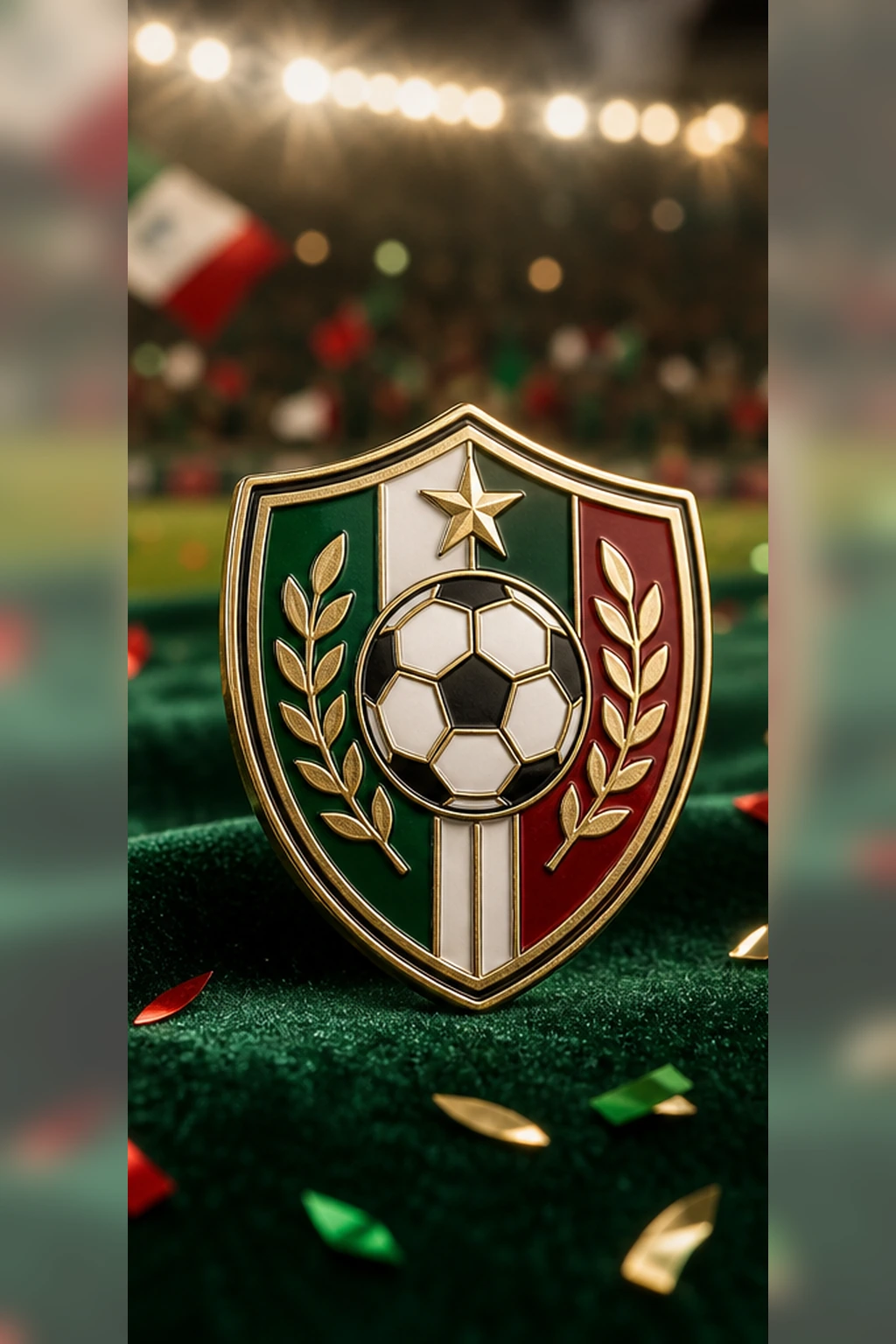
A Mexico pin can use green, white and red, but the emotional material is bigger than that: a home tournament, stadium heat, supporters moving through the city, family tradition, food, music and the tension of expectation. A Canada pin can use a maple leaf, but the keepsake becomes more interesting when it also suggests winter silver, host-city pride and the surprise of a new football era. A United States pin can use stars and stripes, but it gets stronger when it frames the tournament as a continent-sized summer, not simply as a national logo.
That is why the strongest World Cup pin concepts are built from scenes, not templates. Matchday arrival. The walk to the stadium. The scarf lifted above the head. The late goal. The message thread exploding at home. The final whistle. The airport return. The child who keeps the badge pinned to a backpack for the next ten years. Those are the moments worth designing around.
Five rules for collectibles people keep
First, give the object a job. Is it a city souvenir, a supporter badge, a sponsor gift, a VIP keepsake, a trading item for youth clubs, or a champion celebration piece? A single pin can be beautiful, but it cannot be every kind of merchandise at once. A street badge should be bold and readable. A VIP coin can be heavier and quieter. A youth trading pin can be playful, colorful and easy to swap.
Second, make one detail unforgettable. A small enamel object does not need six motifs. It needs one detail that makes the buyer smile: a skyline silhouette, a trophy-night star, a scarf stripe, a stadium arch, a date hidden on the back, a shaped border, or a tiny ball trail that moves around the edge. The best detail is usually not the largest one. It is the detail that rewards a second look.
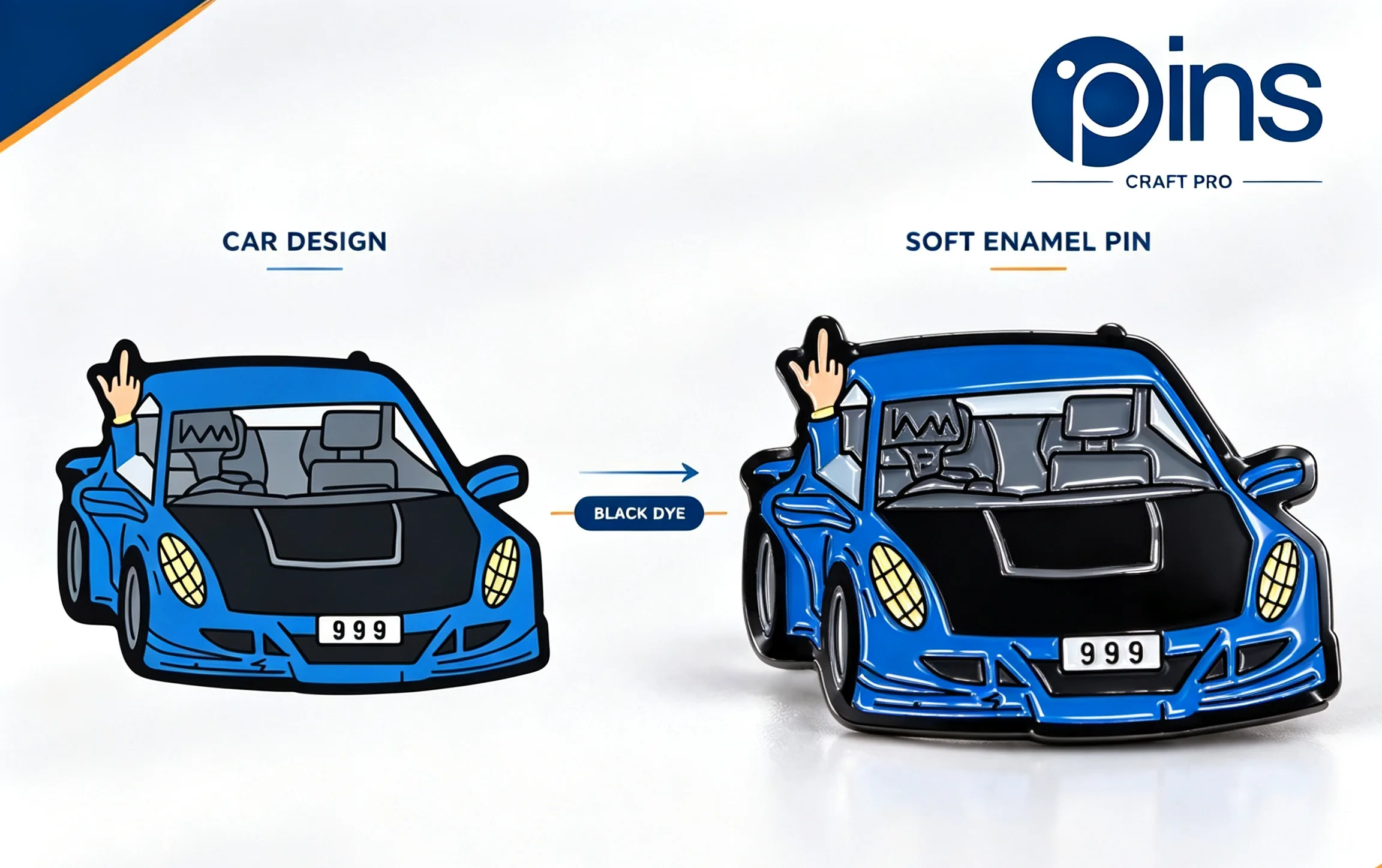
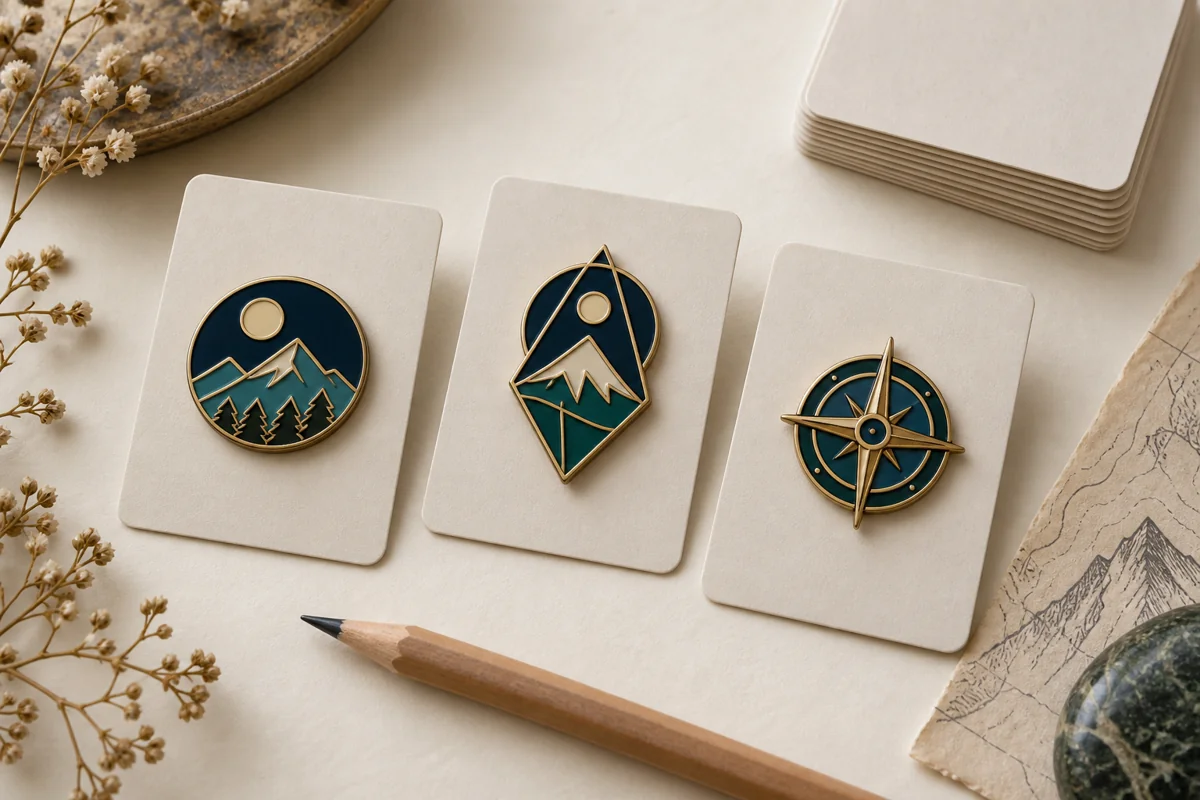
Third, let the metal do real work. Raised metal lines, antique plating, polished edges, and recessed enamel are not technical afterthoughts. They shape the emotional tone. Soft enamel pins feel tactile and energetic, useful for fan culture and trading sets. Hard enamel pins feel cleaner and more premium, useful for official-looking gifts, retail cards and business presentations.
Fourth, design the packaging before the final proof. A pin on a blank card can feel unfinished. A pin on a card that tells the match story feels like a product. Packaging can carry the city name, a short line of copy, a limited-edition number, a color system, or a suggested set order. For event buyers, this is where a simple badge becomes a gift.
Fifth, write the copy like a human, not a catalog. Fans do not say, “I purchased one unit of national team merchandise.” They say, “I was there.” They say, “My father would love this.” They say, “This was the summer we all watched together.” The language around the product should leave room for that feeling.
The three formats that deserve attention
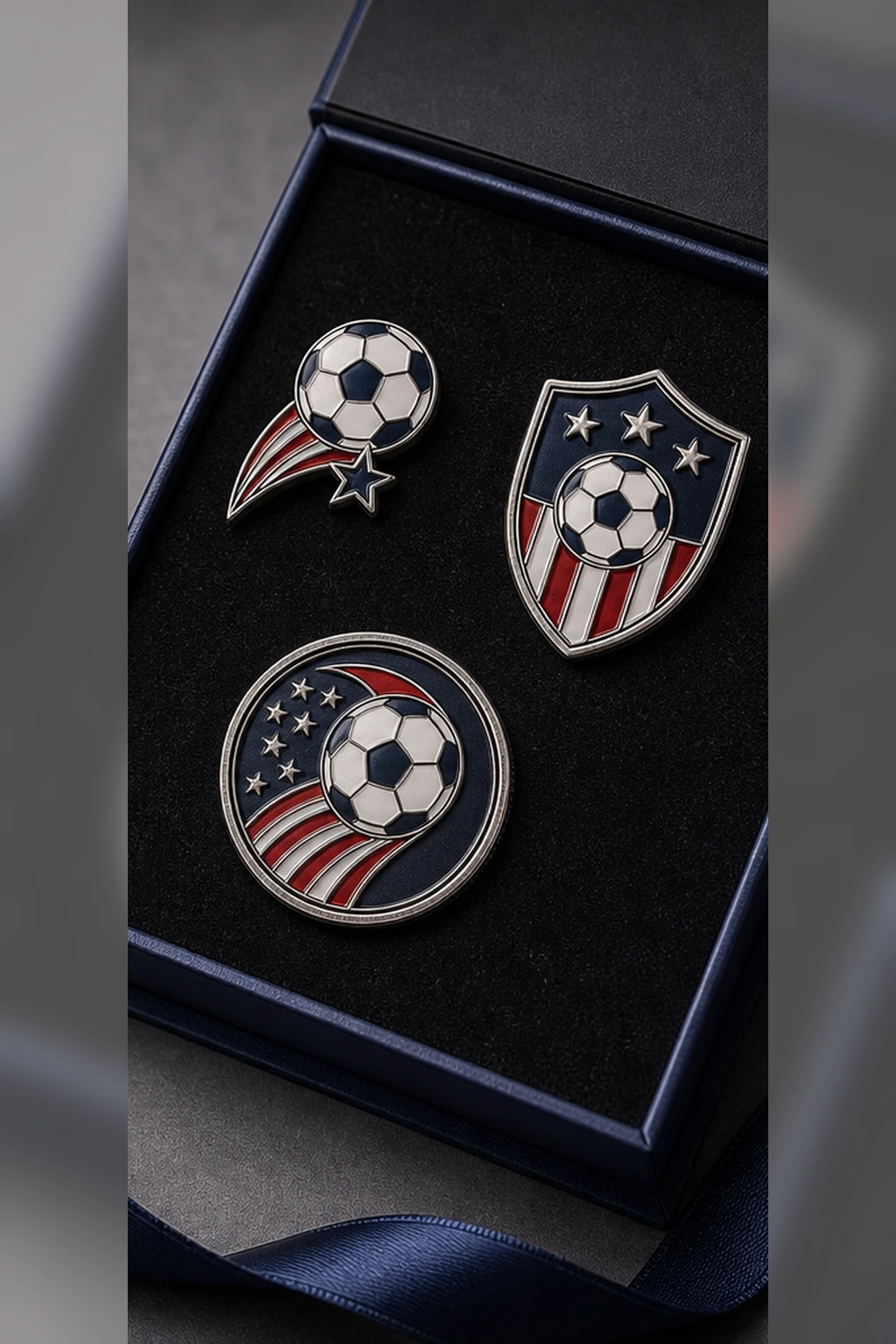
The first format is the matchday enamel pin. This is the easiest object to wear and the simplest to collect. It should be readable from a distance, strong in silhouette and comfortable on a jacket, cap or scarf. For this format, bolder shapes win. Shield badges, stadium-ticket shapes, scarf-inspired bars and trophy-night stars usually work better than a crowded circular emblem.
The second format is the trading pin. This is where football meets social behavior. A good custom trading pin is not just owned; it is exchanged. That means variations matter. Host city editions, group-stage editions, rivalry editions and “goal of the night” editions can turn one design into a small collecting system. For youth tournaments, supporters’ clubs and fan activations, trading pins can become the most conversational object in the room.
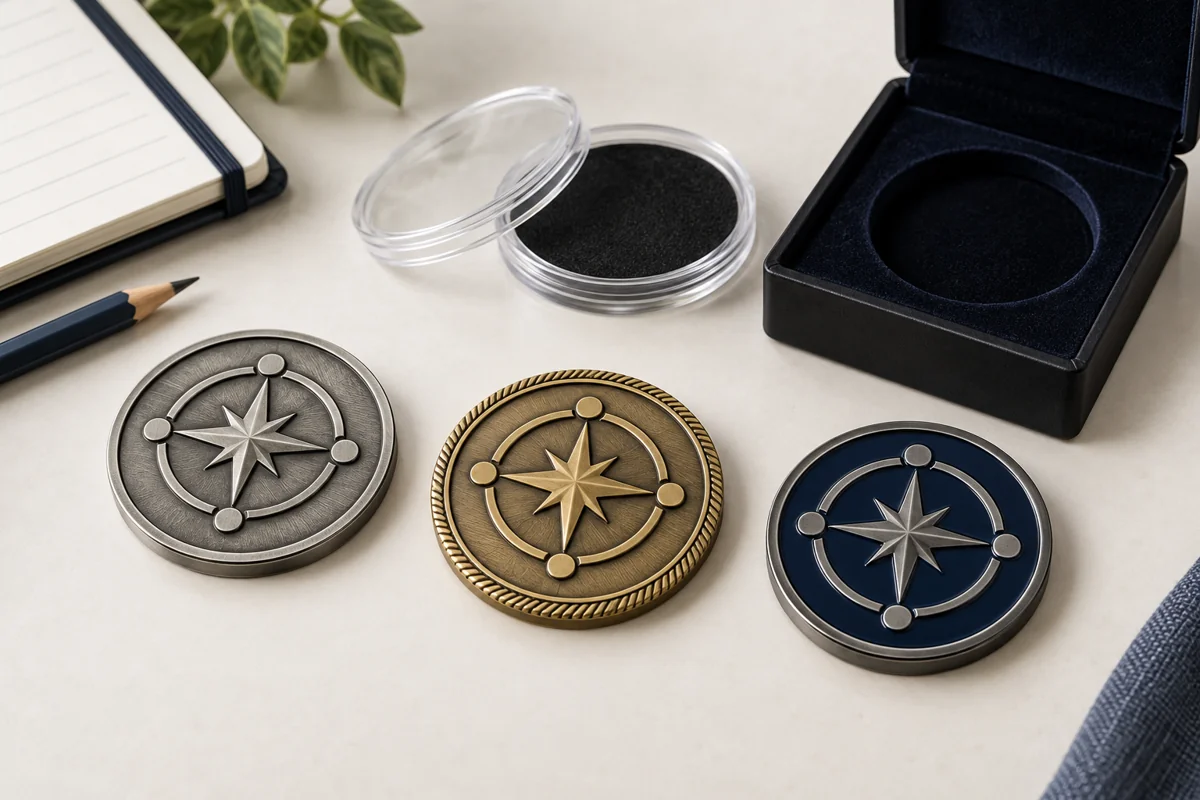
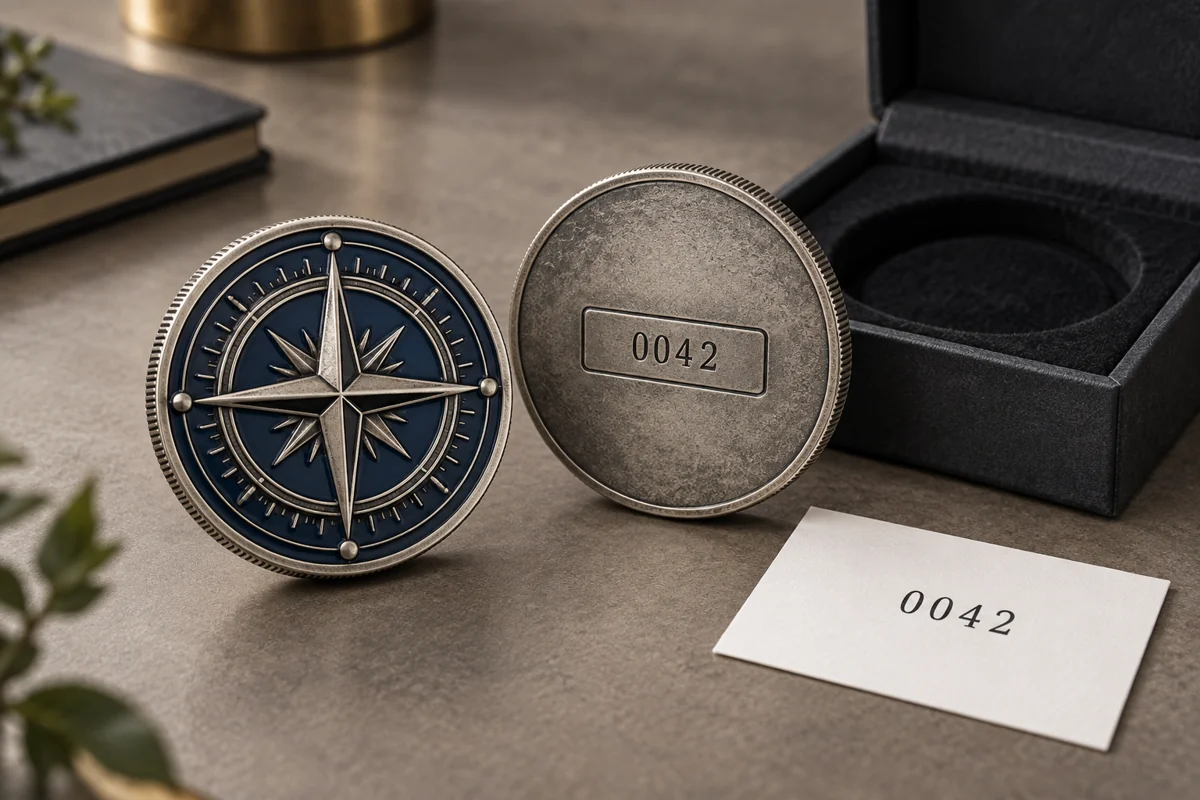
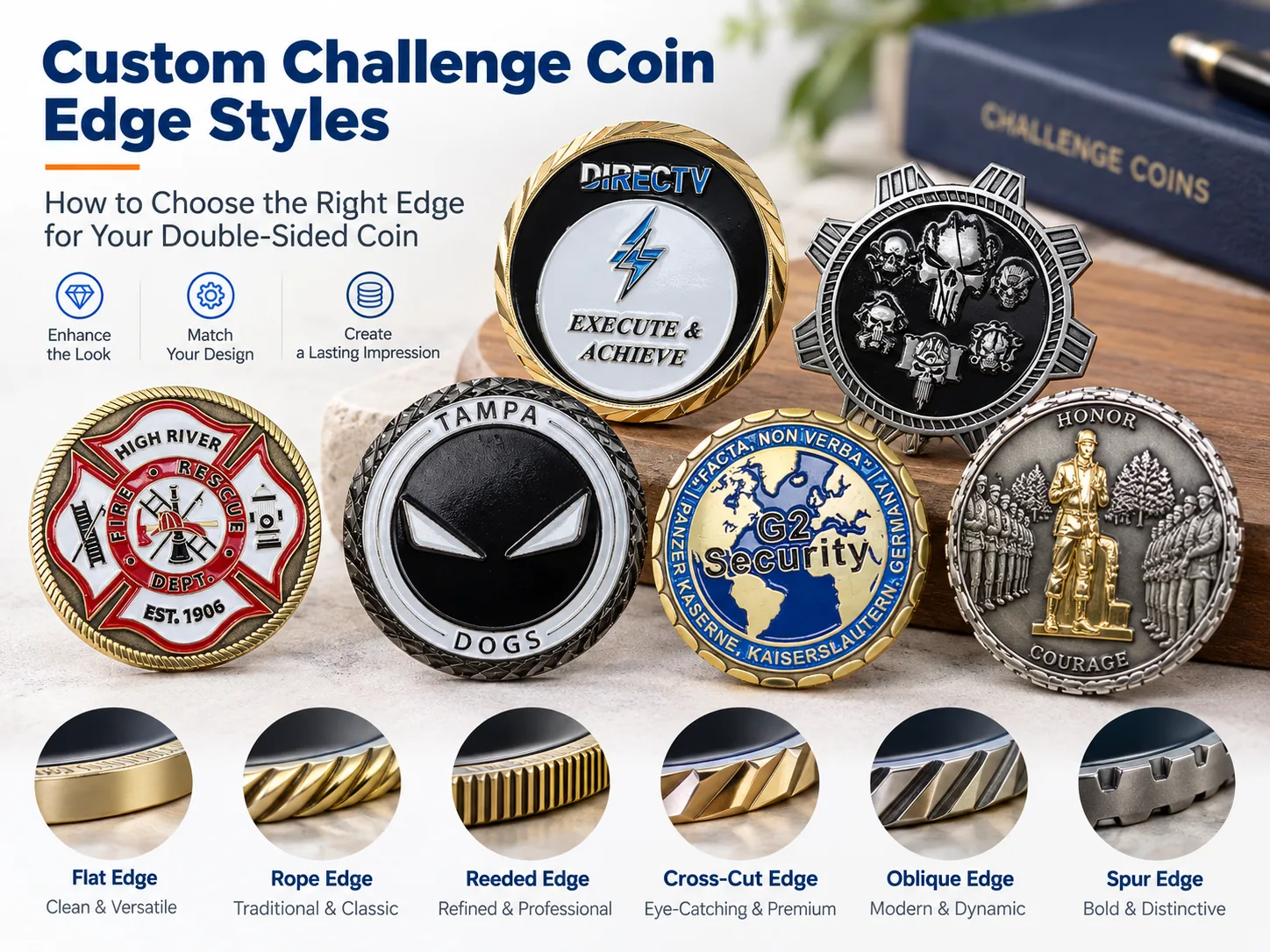
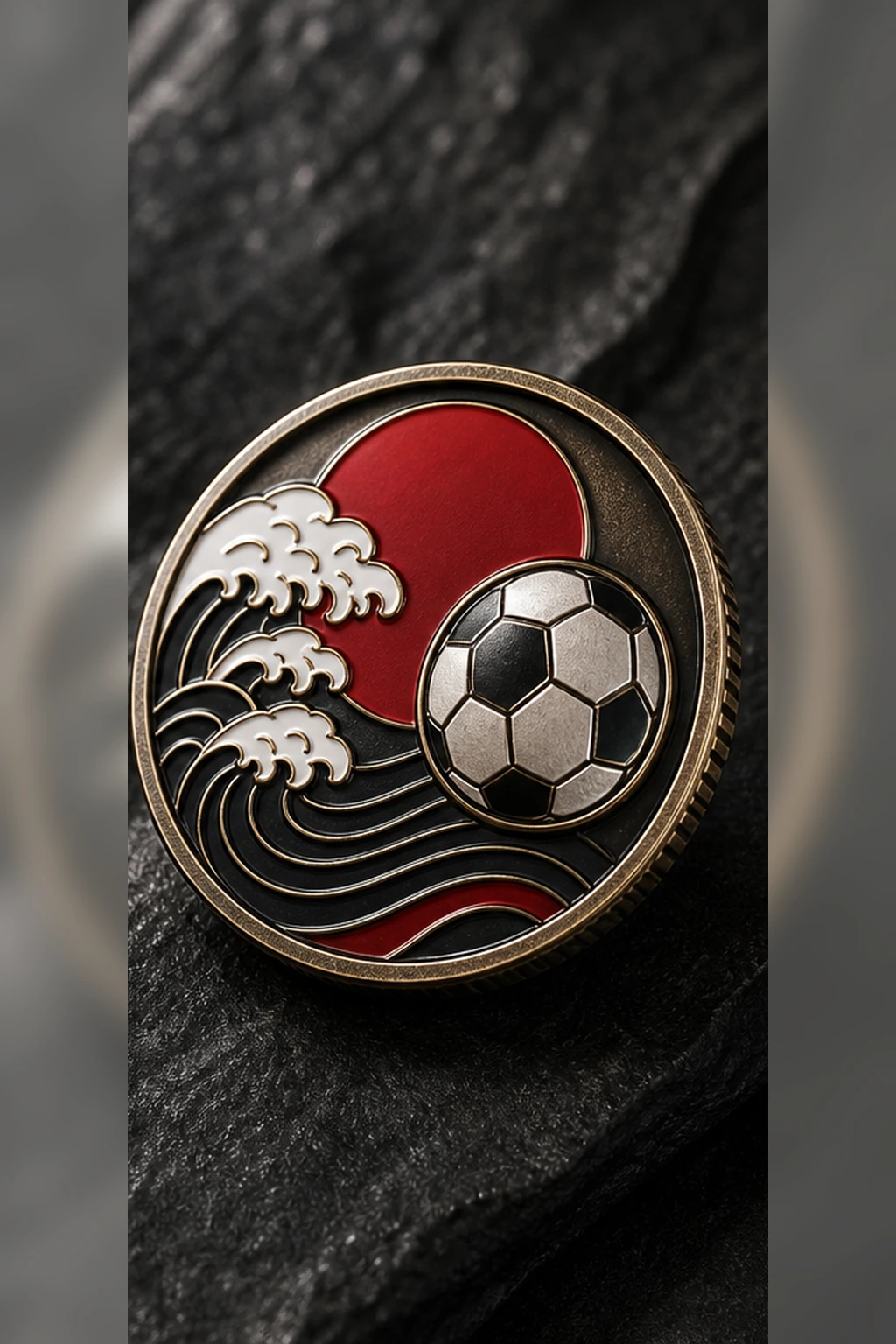
The third format is the commemorative coin. Coins carry weight, and weight changes perception. A coin feels more ceremonial than a pin. It belongs in a velvet pouch, a capsule, a box or a display card. For a champion moment, custom challenge coins can hold details that pins cannot: dual-sided artwork, edge text, antique relief, serial numbering and presentation packaging.
Why the 2026 tournament is different
The 2026 World Cup is not a normal host story. It is three countries, 48 teams, multiple cultural rhythms and a fan base that will move through cities almost like a traveling festival. That scale makes generic merchandise feel even weaker. A good collectible has to help people locate themselves inside the noise.
For host-city buyers, that may mean a badge that pairs football with the city skyline. For sponsors, it may mean a quieter coin that can be handed to partners. For clubs and schools, it may mean affordable pin sets tied to viewing parties. For online stores, it may mean a series built around design language rather than individual countries: host cities, champion dreams, underdog stories, classic football powers and first-time qualifiers.
The smartest approach is not to make 48 nearly identical country articles or 48 nearly identical products. The smarter approach is to create a few strong story systems. One system can celebrate host-country energy. One can imagine the champion moment. One can map regional identity across the full field. Within those systems, every country still has room to feel distinct.
The backer card is part of the article
A surprising amount of collectible value is created by the small card behind the pin. That card is where the story becomes legible. It can explain the concept in one sentence, show the city or match reference, carry a short edition note and make the object feel intentional before the buyer even touches the metal. For a World Cup campaign, the backer card should not be treated like packaging purchased at the end. It should be written and designed like the first paragraph of the object.
For example, a host-city pin card might read like a ticket stub: city, year, match-night phrase, and a clean color field. A champion badge card might read like a headline: “The night the final whistle became a parade.” A youth trading pin card might be lighter and more social, with a space for team name, jersey number or event date. The same pin on three different cards can feel like three different products.
This is where editorial thinking helps production. A media worker asks, “What is the hook?” A product buyer asks, “What is the specification?” The best campaign needs both. If the hook is weak, the pin becomes generic. If the specification is vague, production becomes slow. The backer card forces both questions into the same room.
How to make the set feel collectible without making it complicated
Collectors like systems, but they do not like confusion. A good World Cup pins system should be clear enough to understand in ten seconds. One color band can identify host cities. One border shape can identify champion concepts. One small icon can identify trading editions. One numbering style can identify premium coins. These rules create the pleasure of collecting without forcing the buyer to read a manual.
The most useful collection structure is a ladder. At the bottom is the single badge: affordable, wearable, easy to give away. Above that is the two-piece fan set: one badge and one trading pin. Above that is the coin edition: heavier, boxed, numbered. At the top is the complete gift set with badge, pin, coin and printed note. Buyers can enter at different price points, but the visual world still feels connected.
That ladder also helps content. Instead of publishing many thin pages, the site can publish fewer pages that explain the system with authority. A reader can understand why a custom keychain, a medal, a pin and a coin might belong to the same campaign. The brand stops looking like it only sells objects and starts looking like it understands moments.
How I would brief the first collection
I would begin with a four-piece set. Piece one: a wearable matchday badge, bright enough for a scarf or cap. Piece two: a trading pin variation, designed for supporters’ clubs and youth teams. Piece three: a commemorative coin, heavier and quieter, with dual-sided artwork. Piece four: a collector card or small box that gives the object context.
The collection would not try to explain everything. It would choose one sentence and design around it: “This is the tournament we carried home.” That sentence leaves room for the hosts, the old champions, the new qualifiers, the neutral fan and the collector who simply loves football objects. It is broad enough to travel, but focused enough to guide design decisions.
Production choices should follow the emotional hierarchy. The entry badge can use soft enamel and a strong silhouette. The premium badge can use hard enamel and polished plating. The coin can use antique silver, gold or dual plating. Packaging should not be saved for the end; it should be part of the artwork conversation from the first proof.
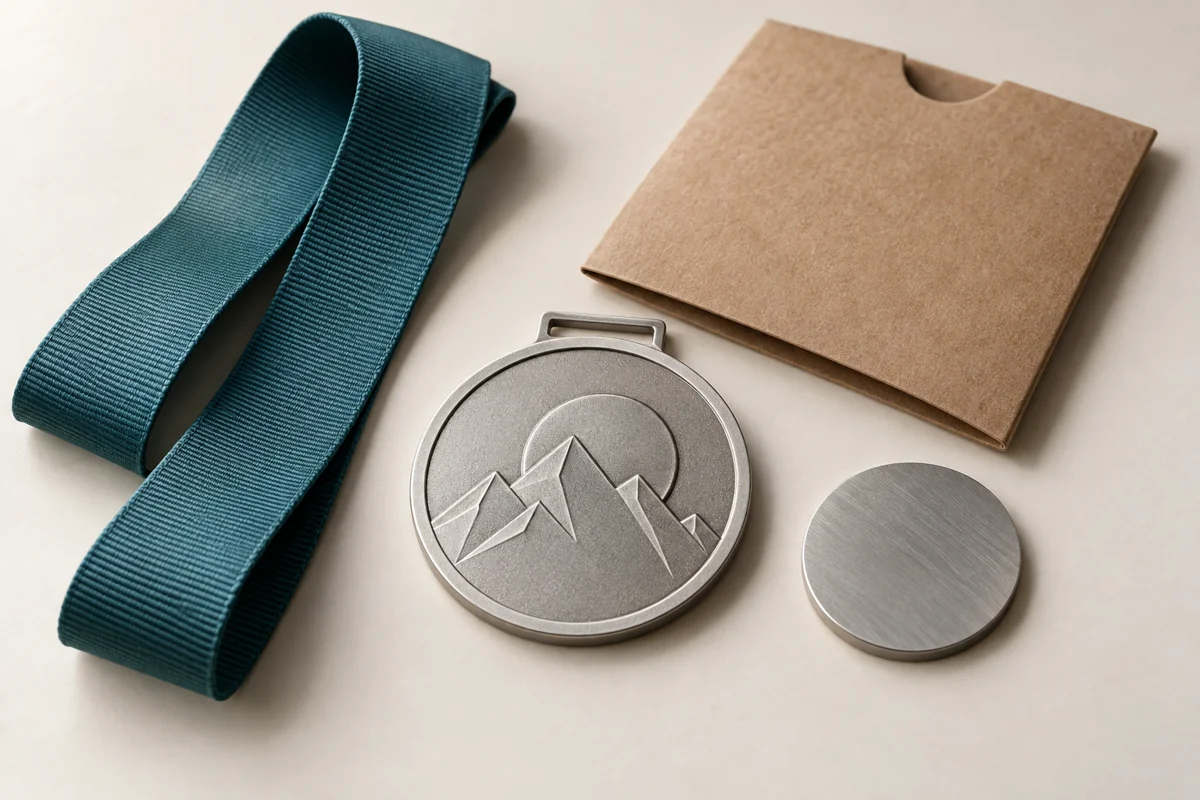
I would also build the launch in chapters. Chapter one appears before the tournament and sells anticipation: host-city badges, supporter pins and viewing-party packs. Chapter two appears during the tournament and reacts to momentum: breakout teams, rivalry nights, dramatic wins and trading sets. Chapter three appears after the final and sells memory: champion coins, medal sets and boxed keepsakes. A campaign built this way feels alive instead of frozen.
That matters because sports emotion is time-sensitive. The product that feels perfect in March may feel flat in July if the tournament has already created new heroes. A flexible pin program allows buyers to prepare the base design early while leaving room for late-stage variations. The artwork system should be ready before the story fully reveals itself.
The quiet reason this works
People keep objects that help them remember who they were during a moment. A World Cup pin is small, but it can carry a surprisingly large memory if it is designed with restraint. The job is not to shout every possible detail. The job is to choose the detail that makes the whole tournament rush back.
For brands, clubs and event organizers, that is also the commercial opportunity. The best football collectible is not only a logo item. It is a story object: easy to hand out, easy to photograph, easy to wear, easy to collect and hard to throw away.
Concept note: This is an independent design discussion for custom football merchandise. It is not affiliated with FIFA, the FIFA World Cup, any national federation or any official team program.