




بطولة عام 2026 ليست مجرد حدث كروي؛ بل هي احتفال عالمي بالانتماء يستمر لمدة شهر. يصل المشجعون حاملين معهم الألوان والأغاني والطقوس العائلية والإشارات الإقليمية وذكريات البطولات السابقة. ويمكن لشارة صغيرة أن تحمل كل هذا العالم العاطفي — شريطة أن يتجاوز التصميم مجرد وضع علم بجانب كرة.
مع توسع نطاق المسابقة لتشمل 48 فريقًا، مما يسلط الضوء على المزيد من القصص الوطنية، أصبحت الفرص المتاحة في مجال التصميم واسعة بشكل غير معتاد. وبالنسبة للأندية، وشركات التسويق المرخصة، ومجموعات المشجعين، ومشتري حقوق الفعاليات، فإن الطريقة الأكثر فعالية منتجات كأس العالم لن يكتفي بالإعلان عن إقامة البطولة فحسب، بل سيساعد المشجعين على تذكر الأجواء التي سادت خلالها البطولة.
لماذا تؤدي كأس العالم 2026 إلى تغيير تصميم الشارات؟
تُقام بطولة كأس العالم لكرة القدم 2026 في الفترة من 11 يونيو إلى 19 يوليو في كندا والمكسيك والولايات المتحدة، بمشاركة 48 فريقًا و104 مباراة. ويؤدي هذا الحجم الكبير إلى تغيير المشهد في مجال المنتجات الترويجية. فزيادة عدد الفرق تعني زيادة عدد مجتمعات المشجعين، وزيادة عدد اللقاءات في المدن المضيفة، وزيادة الأسباب التي تدفع المشجعين إلى تبادل الأغراض المادية ومقارنتها وجمعها. إن الجدول الرسمي للبطولة كما أنه يخلق سلسلة من اللحظات التي تشمل مرحلة المجموعات، ومراحل خروج المغلوب، والأسبوع الأخير، والتي يمكن أن تشكل دعامة لمجموعة متطورة.
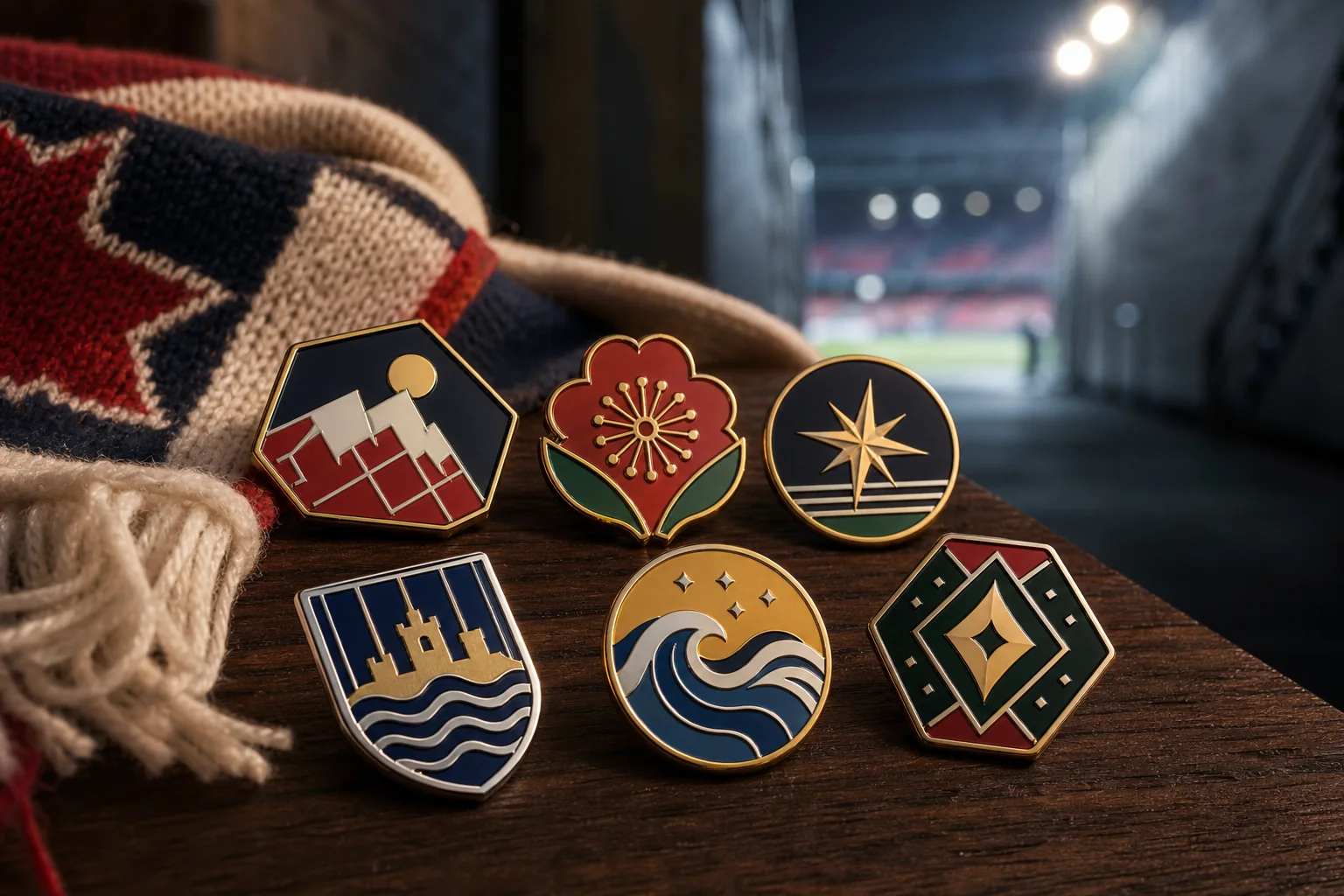
وفي الوقت نفسه، يشاهد المشجعون المعاصرون مئات التصاميم الجرافيكية كل يوم. قد يكون الدرع النموذجي الذي يحمل كرة قدم وعلمًا سهل التعرف عليه، لكنه نادرًا ما يبعث شعورًا بالشخصية. أقوى دبابيس فريق كرة القدم استخدام لغة بصرية أكثر انتقائية: علاقة لونية واحدة لا تُنسى، ونمط واحد متجذر ثقافيًّا، وتفصيل واحد مرتبط بمباراة معينة أو مكان معين أو طقس من طقوس المشجعين.
من ألوان الأعلام إلى نظام الهوية الوطنية
يُعد العلم الوطني مرجعاً مهماً، لكنه ليس سوى الطبقة الأولى فقط. فالهوية الوطنية يمكن أن تتجلى أيضاً من خلال العمارة، والمناظر الطبيعية، وأنماط المنسوجات، والنباتات المحلية، والهندسة التقليدية، والحيوانات المحلية، والفن الشعبي، والإيقاع البصري للغة المكتوبة. المفتاح لا يكمن في وضع كل رمز ممكن على دبوس واحد، بل في بناء نظام يكون لكل خيار فيه دوره.
استخدم اللون كوسيلة للتعريف، وليس كزينة
يجب على المشجعين أن يتمكنوا من تمييز الاتجاه العاطفي الذي يرمز إليه الدبوس من مسافة عدة أقدام. ويتطلب ذلك عادةً لونًا رئيسيًّا للخلفية، ولونًا ثانويًّا، ولمسة معدنية تفصل بين الأشكال. وغالبًا ما تكون الألوان المحدودة أكثر فعالية من الرسوم التوضيحية الملونة بالكامل، خاصةً على المساحات الصغيرة دبابيس المينا المخصصة. كما أنه يضفي طابعًا متماسكًا على السلسلة عندما تظهر عدة طبعات وطنية أو محلية معًا.
اختر رموزًا ذات عمق ثقافي
قد يشير خط جبلي إلى الجغرافيا، وقد تحمل زهرة ما معنىً تاريخيًّا، وقد يعكس الإطار المتكرر تقاليد الحرف اليدوية الإقليمية. وقبل استخدام مثل هذه الإشارات، ينبغي على المصممين فهم سياقها والتأكد من ملاءمتها للاستخدام التجاري. فالبحث ليس مجرد خطوة زخرفية؛ بل هو جزء من التصميم المسؤول.
أعطِ الصورة الظلية وظيفة
الشكل الخارجي هو أول ما يراه هواة جمع الدبابيس. فالدروع توحي بالمنافسة والحماية؛ أما الدوائر فتعطي انطباعًا تذكاريًّا؛ واللافتات تشير إلى الاحتفال؛ ويمكن للفتحات غير المنتظمة أن تحول معلمًا بارزًا أو شخصية رمزية إلى الشكل الكامل للدبوس. كما أن الصورة الظلية المميزة تعزز التعرف على الدبوس عندما يُعرض بين عشرات القطع الأخرى.
خمس اتجاهات لتصميم شارات الفرق لعام 2026
1. هندسة كلاسيكية مع تباعد معاصر
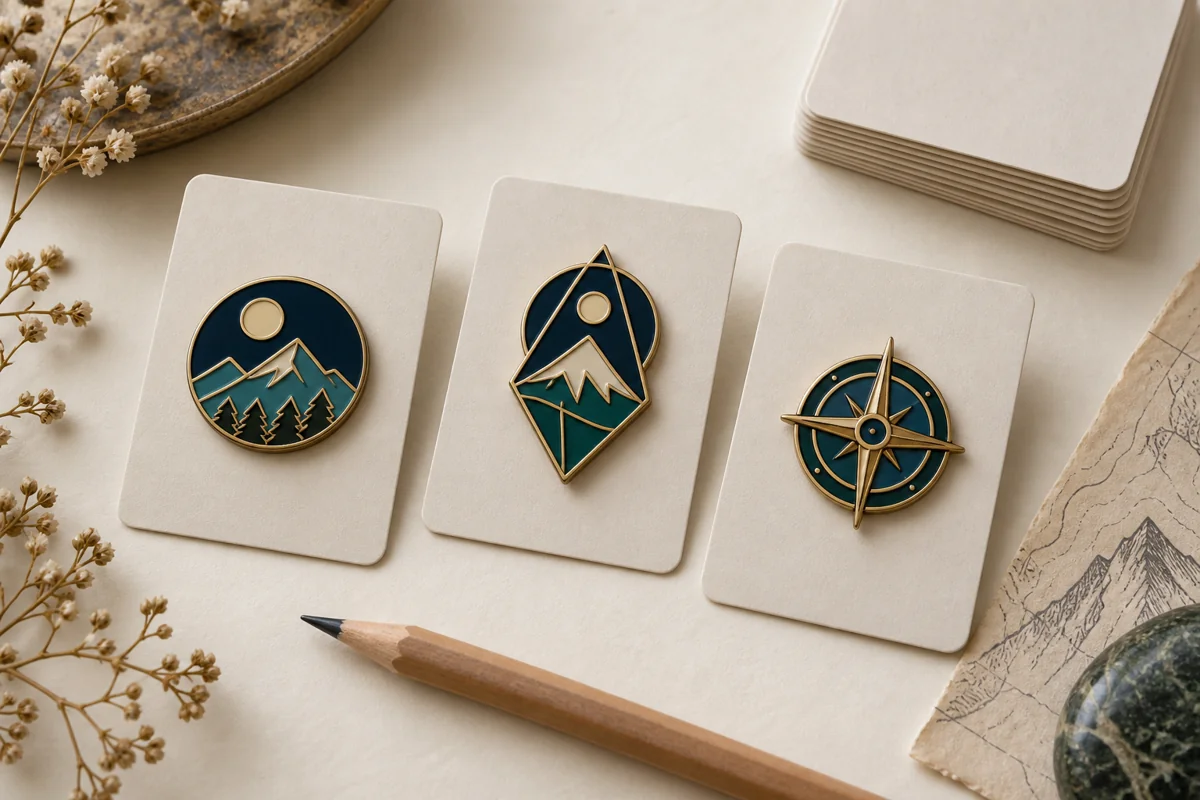
يتم تبسيط الأنماط التقليدية لتصبح خطوطًا قوية وقابلة للتصنيع. وبدلاً من إعادة إنتاج تفاصيل نسيجية أو معمارية حرفياً، يقوم المصممون باستخلاص إيقاعها وإعادة بنائها مع ترك مسافة كافية بين العناصر المعدنية لملئها بالمينا. والنتيجة هي تصميم يبدو متجذرًا في الثقافة، لكنه لا يزال يبدو عصريًا عند ارتدائه على سترة أو قبعة أو وشاح.
2. التباين في المواد بدلاً من الفوضى البصرية
يمكن للمعدن المصقول والمعدن غير اللامع أن يخلقا تسلسلاً هرمياً دون إضافة لون آخر. غائر المينا الناعمة يمنح مظهرًا ملموسًا وعالي التباين يناسب قطع الملابس المخصصة للمشجعين المتحمسين. ناعم المينا الصلبة يضفي لمسة أنيقة على المجموعات الفاخرة والمناسبات الرسمية دبابيس الياقة الرياضية. قد يكون استخدام تقنية السفع الرملي أو المينا الشفافة أو الطباعة الانتقائية مفيدًا، لكن يجب أن تنقل كل تحسينة رسالة ما — لا أن تقتصر على مجرد رفع المواصفات.
3. مجموعات مصغرة خاصة بكل مباراة
يستجيب هواة جمع الشارات لقصة يمكنهم استكمالها. فقد تتبع شارة الفريق الأساسية إصدارات خاصة بالمدينة المضيفة، أو أشكال مختلفة للمباريات التنافسية، أو قطع تذكارية بمناسبة إنجازات معينة. ويظل نظام التصميم مميزًا في حين يتغير عنصر واحد محدد: لون الإطار، أو لوحة التاريخ، أو الزخرفة الخاصة بالمدينة، أو اللمسة النهائية للمعدن. وبالنسبة للمشترين، يوفر هذا النهج التنوع دون الحاجة إلى نظام إنتاج جديد تمامًا لكل إصدار.
4. الرمزية الوطنية الخفية
تستخدم بعض التصاميم الأكثر تعقيدًا إشارات وطنية بشكل غير مباشر. فيصبح الخط الساحلي خطًا معدنيًّا، وتظهر الزهرة كمساحة سلبية، ويُستخدم لون مألوف في تفصيل واحد فقط من التفاصيل البارزة. ويساعد هذا التقييد على أن تظل القطعة قابلة للارتداء بعد انتهاء البطولة، وهو أمر بالغ الأهمية إذا كان الهدف هو إنتاج قطعة تذكارية قابلة للتجميع بدلاً من هدية ترويجية يمكن التخلص منها بعد انتهاء الحدث.
5. يصبح الجزء الخلفي من الدبوس جزءًا من القصة
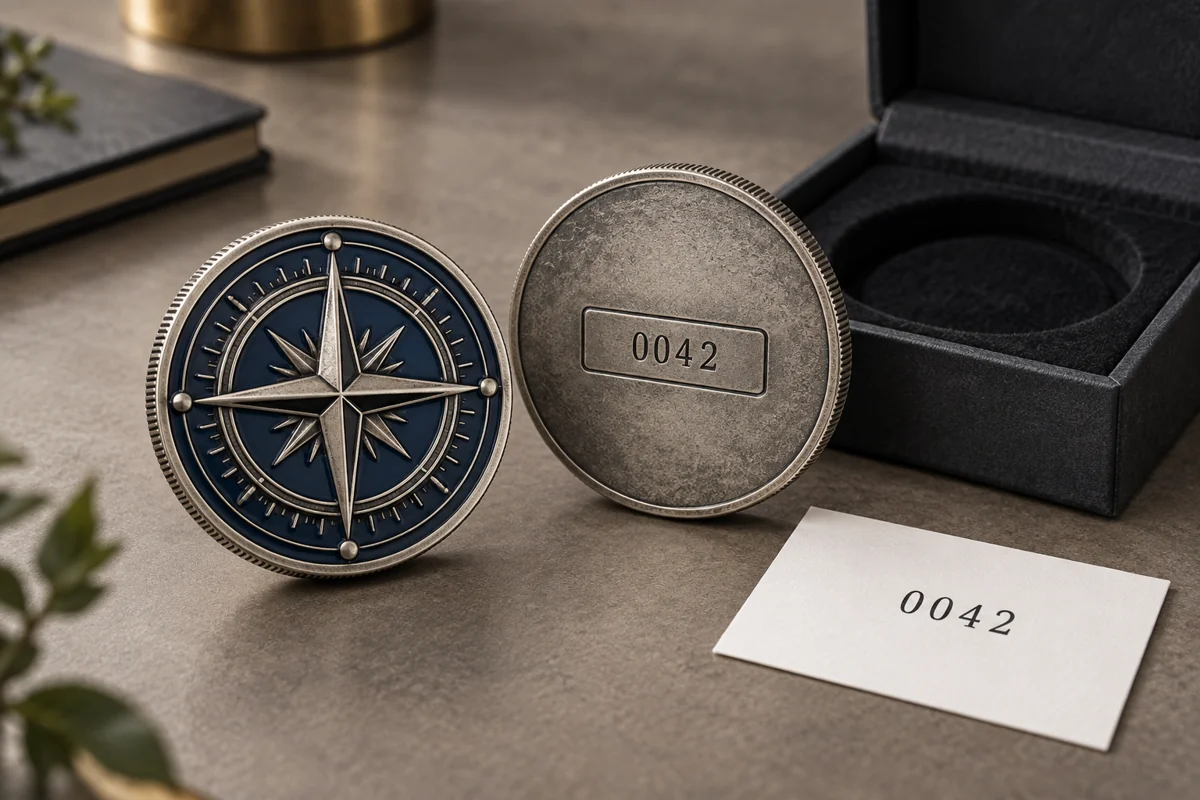
يمكن أن يتضمن الجانب الخلفي سنة إقامة البطولة، أو رقم المجموعة، أو إشارة موجزة إلى المكان، أو نسيجًا مخصصًا. كما أنه المكان العملي لإدراج المعلومات المطلوبة المتعلقة بالعلامة التجارية أو حقوق النشر. يقوم هواة جمع العملات بفحص هذا الجانب عند تقييم الجودة، لذا فإن وجود ختم متعمد على الجانب الخلفي يمكن أن يعزز الأصالة ويضفي على القطعة مظهرًا نهائيًا.
لماذا يحتفظ المشجعون بالشارات ويرتدونها ويتبادلونها
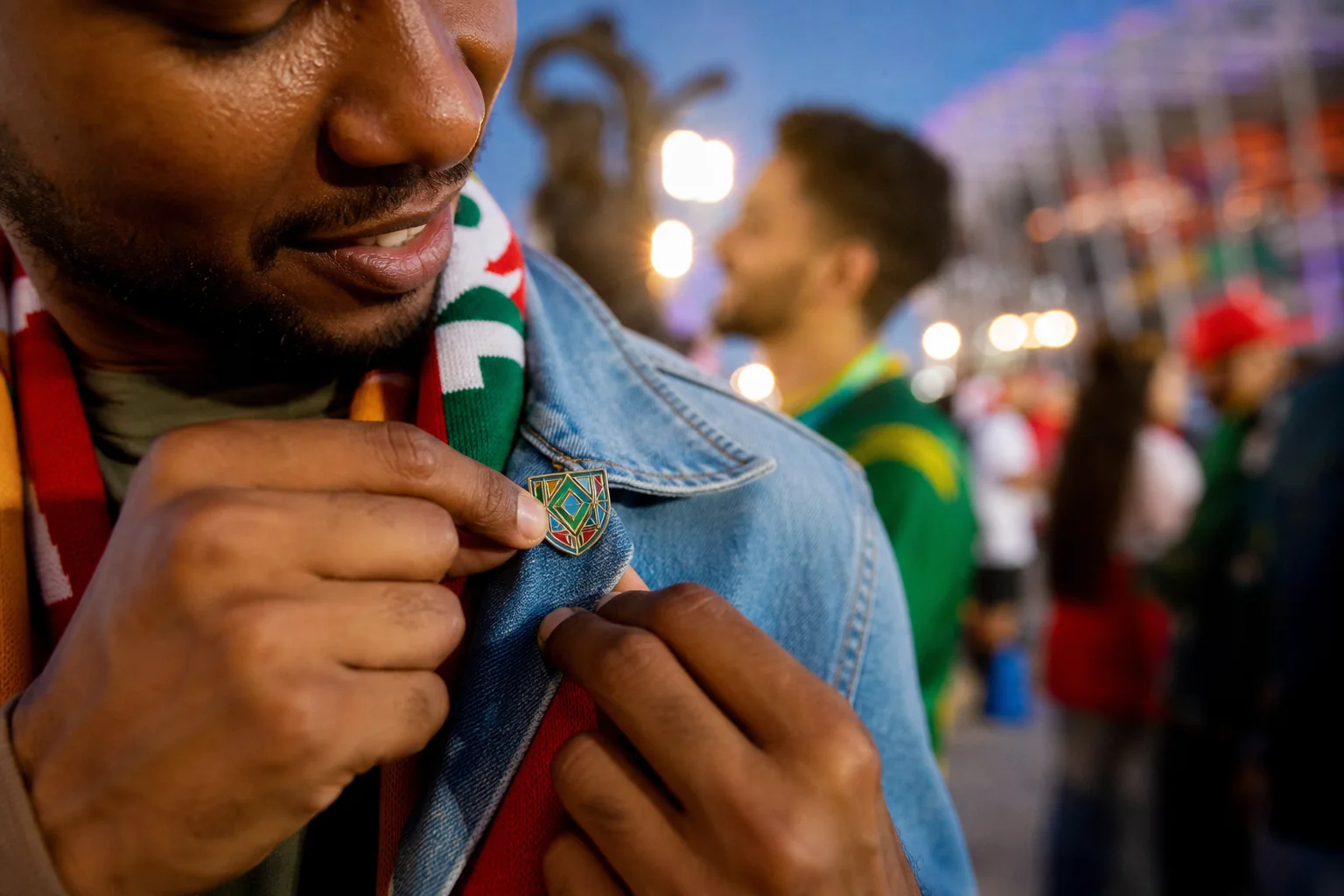
نادرًا ما يقتصر جمع التذكارات على المعدن وحده. فقد تمثل دبوسًا ذكرى أول مباراة حضرتها العائلة معًا، أو لقاءً مع مشجعين من بلد آخر، أو نتيجة مثيرة شوهدت في ساحة عامة مزدحمة. وتكمن قيمتها في الارتباط الذكريات. ولهذا السبب، يمكن أن يكون لقطعتين تتشابهان في تكاليف إنتاجهما قيمة عاطفية مختلفة تمامًا.
يميل المعجبون إلى الاحتفاظ بالقطع التي تلبي دافعًا واحدًا على الأقل من بين أربعة دوافع:
- الهوية: “هذا هو فريقي، أو مدينتي، أو مجتمعي.”
- الذاكرة: “كنتُ هناك عندما وقع هذا الأمر.”
- المشاركة: “لقد استبدلت هذا بآخر أو أكملت المجموعة.”
- العرض: “هذه القطعة جذابة بما يكفي لارتدائها أو عرضها.”
تصمم برامج الشارات الجيدة هذه السلوكيات منذ البداية. وتساعد البطاقة الداعمة المرقمة على تذكر الشارة. كما أن وجود خيارات محدودة من الألوان يشجع على المشاركة. ويضمن الشكل المتوازن والظهر المتين سهولة ارتداء الشارة. وتسهل المجموعة المتناسقة عرض الشارات.
تحويل الأفكار الثقافية إلى تصاميم دبابيس مطلية بالمينا قابلة للتصنيع
يجب أن يصمد المفهوم القوي أمام عمليات التخفيض، وتصنيع القوالب المعدنية، وملء المينا. وهنا يأتي دور التعاون مع خبير شركة تصنيع دبابيس المينا يصبح الأمر تقنيًّا أكثر منه ترويجيًّا. وينبغي أن تجيب النسخة التجريبية للعمل الفني على الأسئلة العملية قبل بدء الإنتاج.
الحفاظ على وضوح النص عند الحجم الفعلي
راجع التصميم بالأبعاد المادية المقصودة، وليس فقط على شاشة كبيرة. فقد تتداخل الخطوط الرفيعة، وقد تملأ الأحرف الصغيرة المساحة، كما تحتاج المناطق المجاورة المطلية بالمينا إلى حدود معدنية. وإذا فقد نمط ثقافي معناه عند تبسيطه، فانقله إلى البطاقة الداعمة أو العبوة بدلاً من إجباره على الظهور على الدبوس.
مواءمة العملية مع التصميم
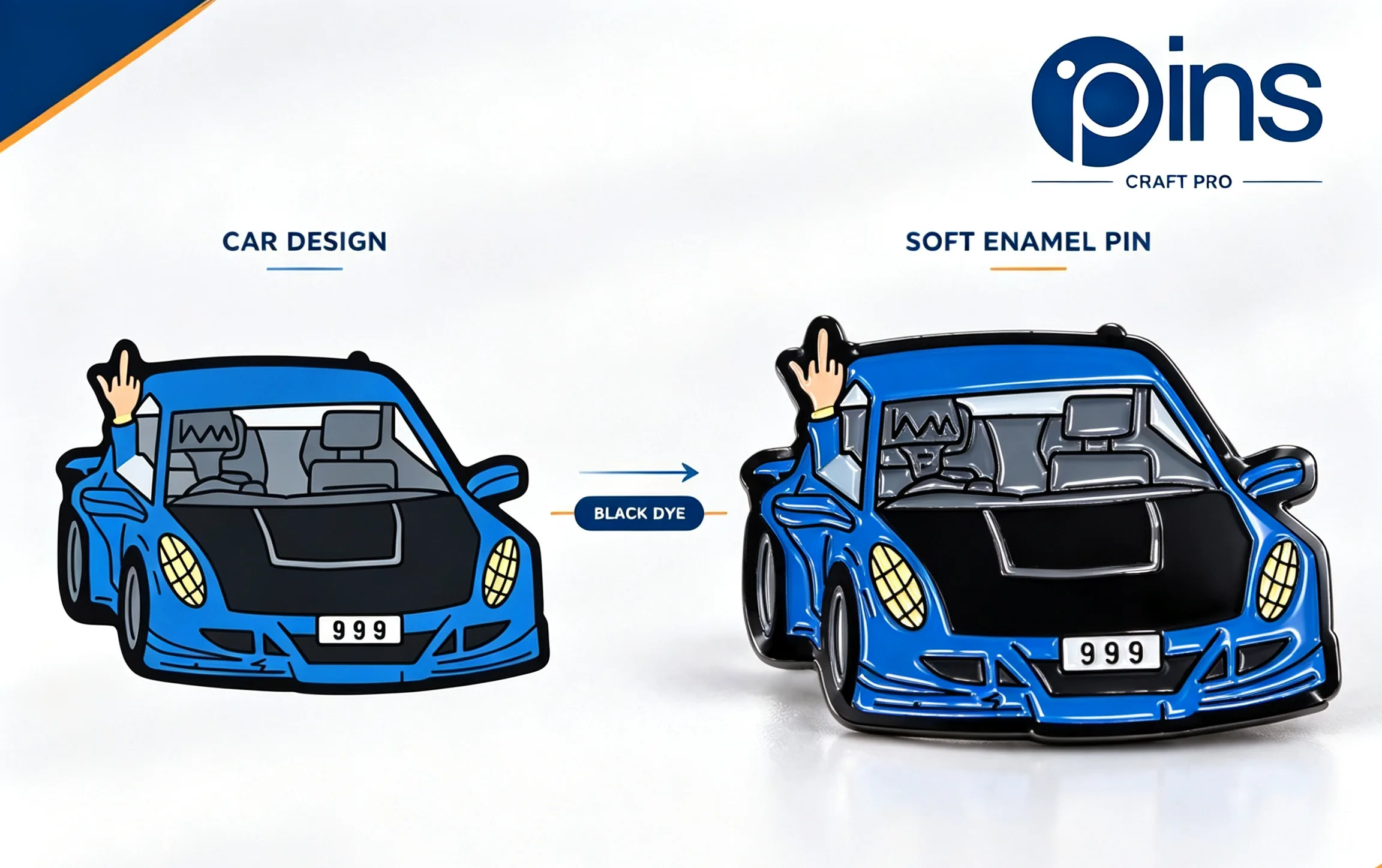
يُعد المينا الناعم خيارًا فعالاً للخطوط الجريئة والعمق الملموس والقطع المخصصة للتداول النشط. أما المينا الصلب فيوفر سطحًا أملسًا يشبه المجوهرات، وغالبًا ما يُختار للاستخدام في منتجات التجزئة الفاخرة أو مجموعات العرض. يمكن للتفاصيل المطبوعة أن تتعامل مع التدرجات اللونية والعلامات الصغيرة جدًّا، في حين أن المعدن المسكوك قد يناسب شارة تذكارية بسيطة. تقدم PinsCraftPro هذه الأشكال كمسارات إنتاج منفصلة، وهو أمر مفيد عندما يرغب المشتري في أن تتوافق المادة مع المفهوم بدلاً من تطبيق عملية واحدة على كل فكرة.
حدد الطلاء والبطانة والتغليف معًا
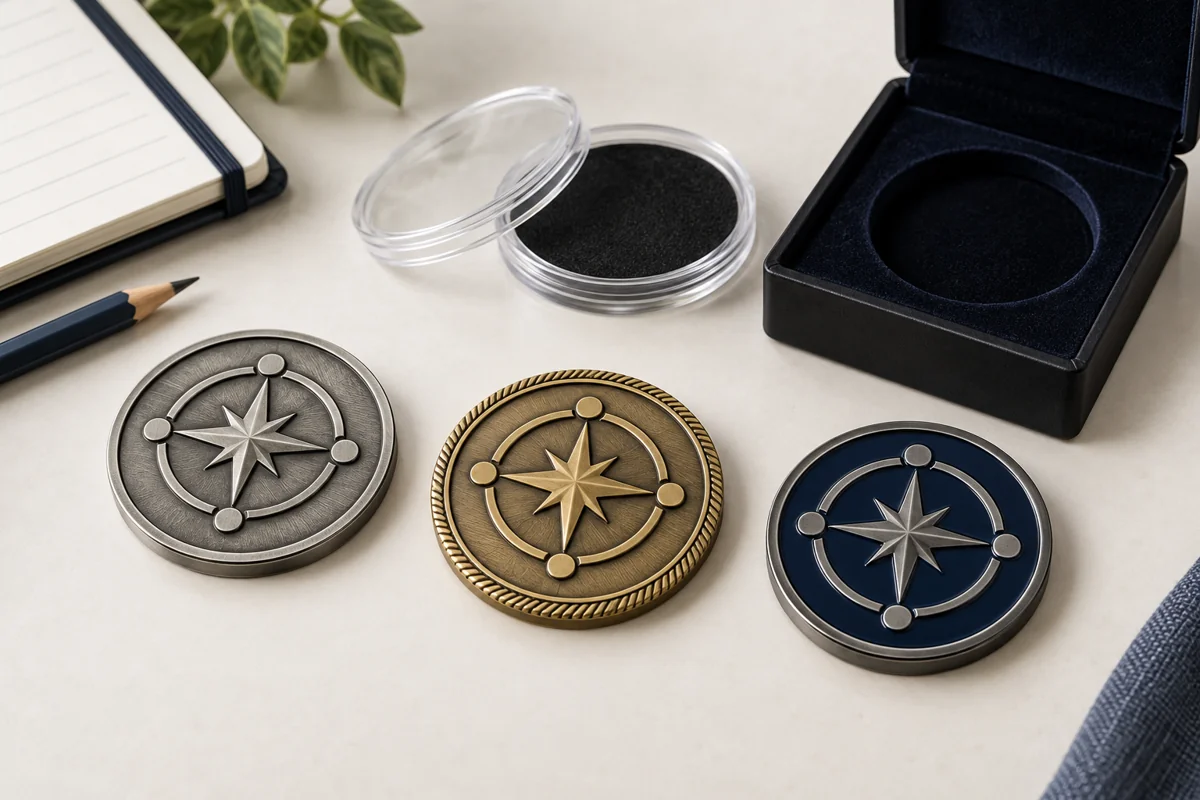
تؤثر التشطيبات باللون الذهبي والفضي والنيكل الأسود والطراز العتيق على كل من التباين والدرجة اللونية. قد تكون المشبك المطاطي مريحًا للارتداء غير الرسمي؛ في حين قد يكون الإغلاق الخلفي المثبت خيارًا مفضلاً لقطعة ذات قيمة عالية؛ كما يمكن أن تمنع الدبابيس المزدوجة الشارة العريضة من الدوران. وينبغي أن تكون العبوة أيضًا جزءًا من المواصفات المطلوبة. ويمكن لبطاقة الدعم أن تشرح رمزًا لا يشير إليه الدبوس نفسه إلا بشكل ضمني.
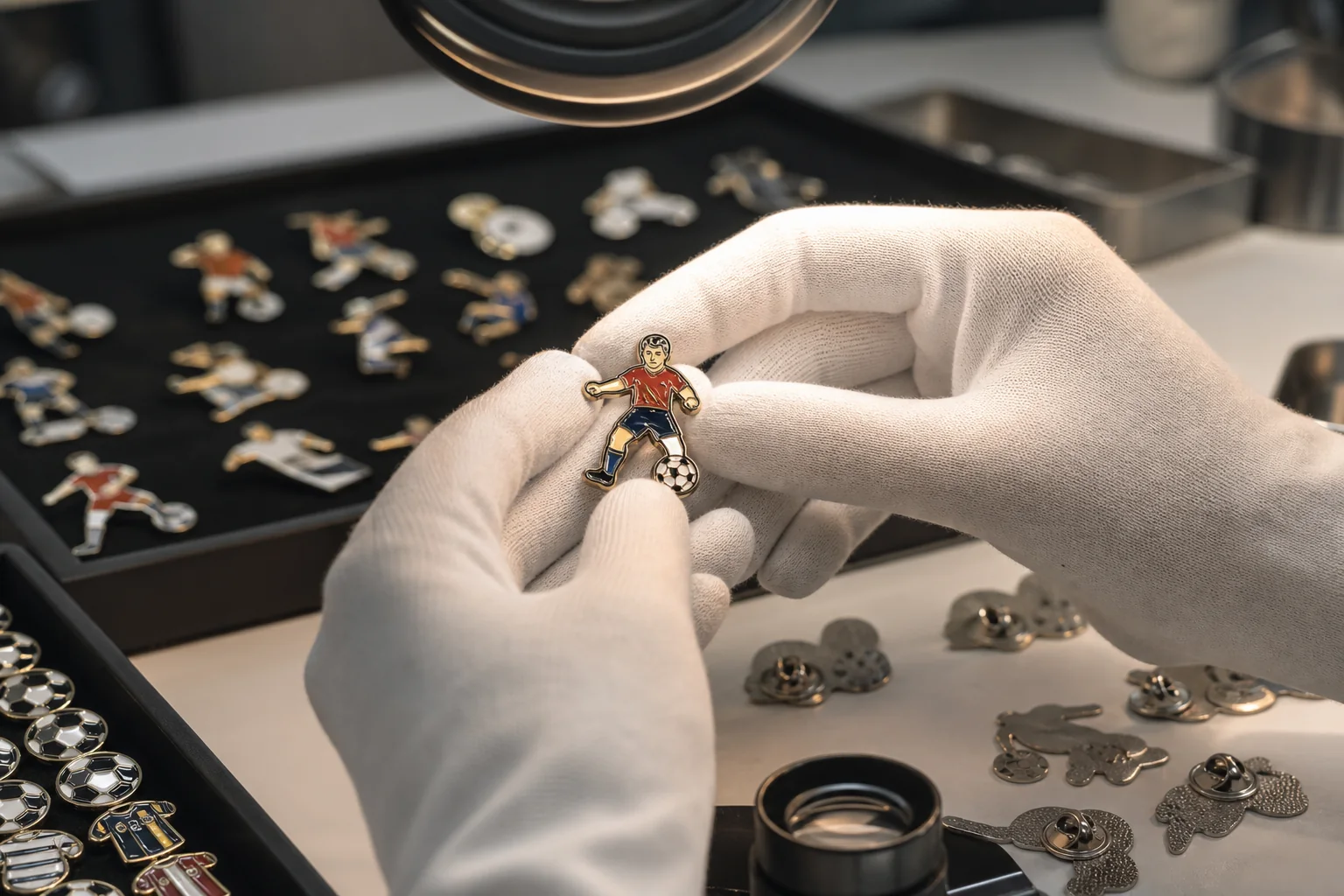
إطار عمل للتخطيط في مجال الأعمال بين الشركات (B2B) مخصص للأندية والعلامات التجارية ومشتري الفعاليات
قد يؤدي الطلب المرتبط بكأس العالم إلى خلق حالة من الاستعجال، لكن الاستعجال ليس استراتيجية. يجب على المشترين أن يبدأوا بالتركيز على الجمهور ووقت التوزيع، ثم يضعوا مواصفات المنتج بناءً على ذلك.
- حدد حدود الحقوق. تأكد من أسماء الفرق وشعاراتها وصور اللاعبين ومصطلحات البطولة وأصول الرعاة التي يجوز استخدامها قانونًا.
- اختر سلوكًا رئيسيًّا واحدًا. حدد ما إذا كانت القطعة مخصصة للارتداء، أو التبادل، أو البيع، أو الإهداء، أو استخدامها كعربون تقدير للراعي.
- قم ببناء نظام بصري. يجب تحديد المعايير الموحدة الخاصة بالشكل والخطوط الطباعية وتصميم الحواف والتغليف قبل البدء في إنشاء الأشكال المختلفة.
- الموافقة على نموذج تجريبي بالحجم الطبيعي. تحقق من سماكة الخطوط، ومناطق المينا، وتباين الطلاء، وموضع الختم الخلفي.
- تخطيط الكميات حسب القناة. فصل مخزون البيع بالتجزئة، وحصص الشركاء، واستخدام الموظفين، ومجموعات المواد الترويجية، والمخزون الاحتياطي.
- ابدأ بالتخطيط من نهاية الحدث. يجب تخصيص وقت كافٍ لمراجعة الأعمال الفنية، والموافقة على النسخة النهائية، والإنتاج، ومراقبة الجودة، والنقل الدولي، والتسليم المحلي.
ينطبق هذا الإطار سواء كان البرنامج يحتوي على شارة واحدة مميزة أو مجموعة أوسع من الشارات،, دبابيس التداول, سلاسل المفاتيح والميداليات التذكارية.
التصميم باحترام — ودون التسبب في انتهاك حقوق الملكية الفكرية عن غير قصد
لا تمنح الألوان الوطنية والصور العامة المتعلقة بكرة القدم تلقائيًّا الحق في استخدام العلامات الرسمية للبطولات، أو شعارات الاتحادات، أو التمائم المحمية، أو صور اللاعبين، أو شعارات الرعاة. ويجب على المشترين التجاريين الحصول على التراخيص اللازمة وتقديم وثائق واضحة تثبت حقوق الملكية إلى المصممين والموردين.
هناك أيضًا مسؤولية ثقافية. فلا ينبغي التعامل مع الصور المقدسة، والأنماط الخاصة بالسكان الأصليين، والرموز العسكرية، والعلامات الخاصة بالمجتمعات المحلية، على أنها مجرد زخارف عامة. وعندما يكون المعنى غير واضح، يجب استشارة شخص لديه المعرفة الثقافية ذات الصلة أو اختيار مصدر إلهام آخر.
الأسئلة الشائعة
ما الذي يجعل شارة فريق كرة القدم قطعة جديرة بالتجميع؟
فالصورة الظلية المميزة، والقصة الواضحة، والتنوعات المحدودة بعناية، والتغليف المدروس، كلها عوامل تجعل الدبوس أسهل في التعرف عليه وأكثر جاذبية للاحتفاظ به. وقد تساعد الندرة في ذلك، لكن المعنى أهم من مجرد ملصق غامض كـ“إصدار محدود”.
هل ينبغي للفريق أن يختار المينا الناعمة أم المينا الصلبة؟
اختر المينا الناعمة للحصول على عمق ملموس وخطوط خارجية بارزة وإحساس تقليدي يشبه دبابيس التبادل التجارية. واختر المينا الصلبة للحصول على سطح أملس ومصقول ومظهر فاخر. وينبغي أن تحدد التصميم الفني والغرض من الاستخدام والميزانية نوع العملية.
متى ينبغي للمشترين في قطاع الأعمال (B2B) أن يبدأوا؟
ابدأ في أقرب وقت تسمح به الحقوق والأعمال الفنية وخطة التوزيع. يتضمن الإنتاج المخصص مراحل التدقيق والتصنيع والفحص والشحن، ولا تترك المواعيد النهائية للبطولات مجالاً كبيراً لإجراء تغييرات متأخرة على التصميم.
الخلاصة النهائية
لن تكون أفضل شارات الفرق لعام 2026 مجرد ملصقات مصغرة. بل ستكون رموزًا صغيرة ومتينة تربط بين الهوية الوطنية وتجربة المشجعين والحرفية في التصنيع. وعندما يوجه البحث الثقافي المفهوم، وتحمي خيارات الإنتاج التصميم، تصبح الشارة أكثر من مجرد سلعة تجارية. بل تصبح ذكرى محمولة من البطولة.