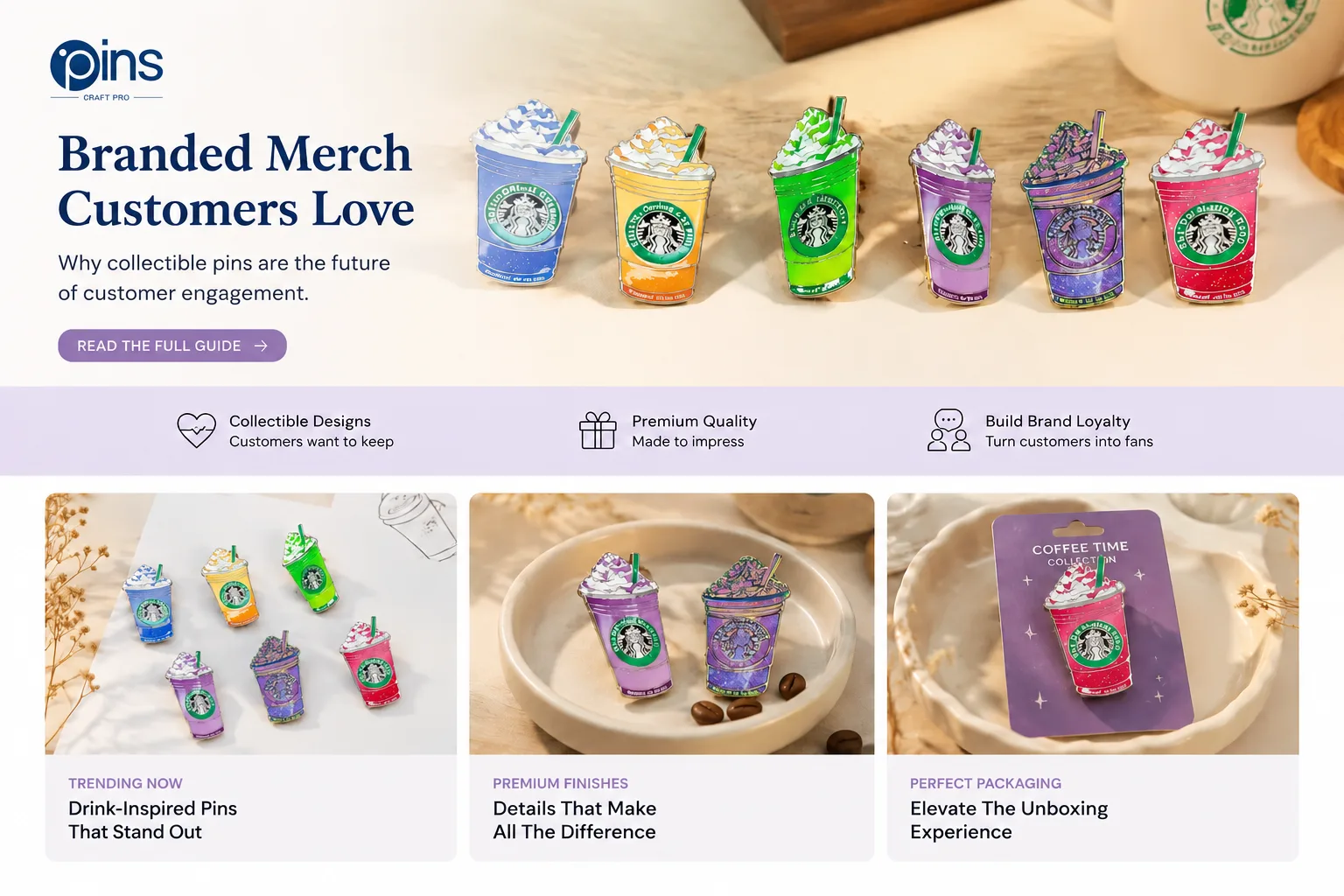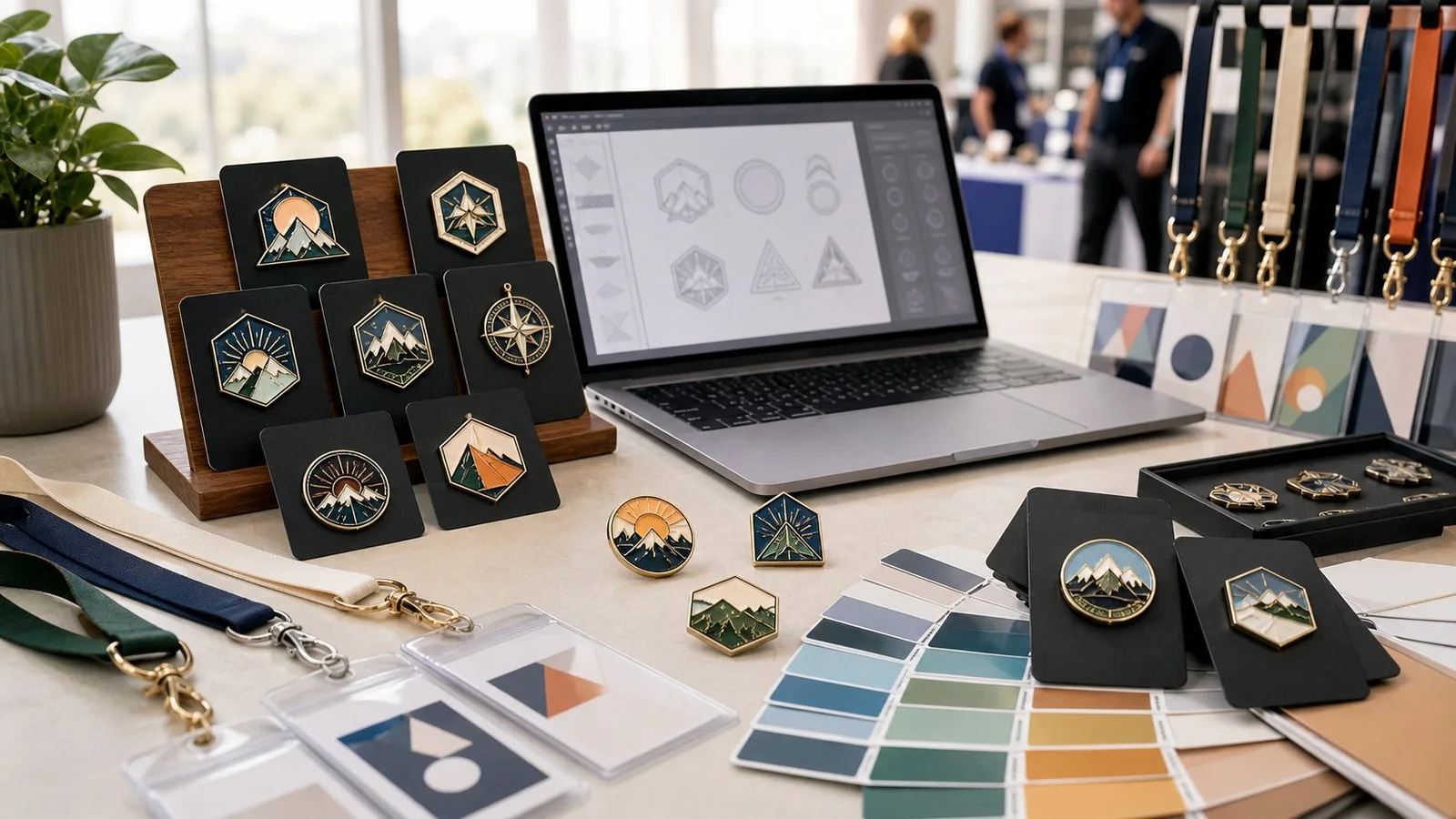




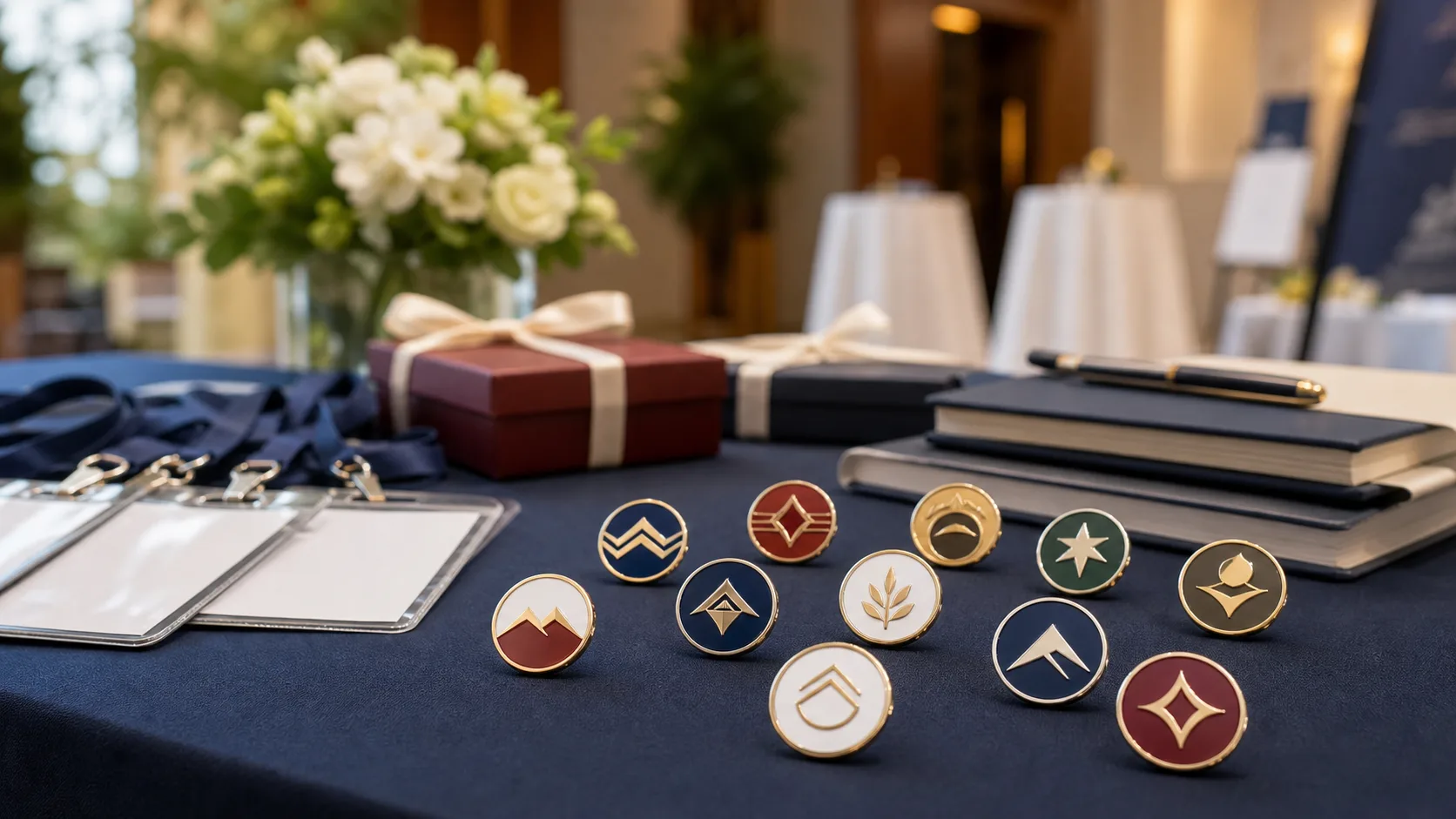
Custom enamel pins are small products, but they carry a surprising amount of brand meaning. A well-made pin can turn a logo into a collectible, help an event feel more polished, give employees a memorable recognition item, or make a retail package feel more premium. Because the product is compact, every design decision matters: line thickness, metal plating, enamel color, backing choice, packaging, and even the way artwork is simplified before production.
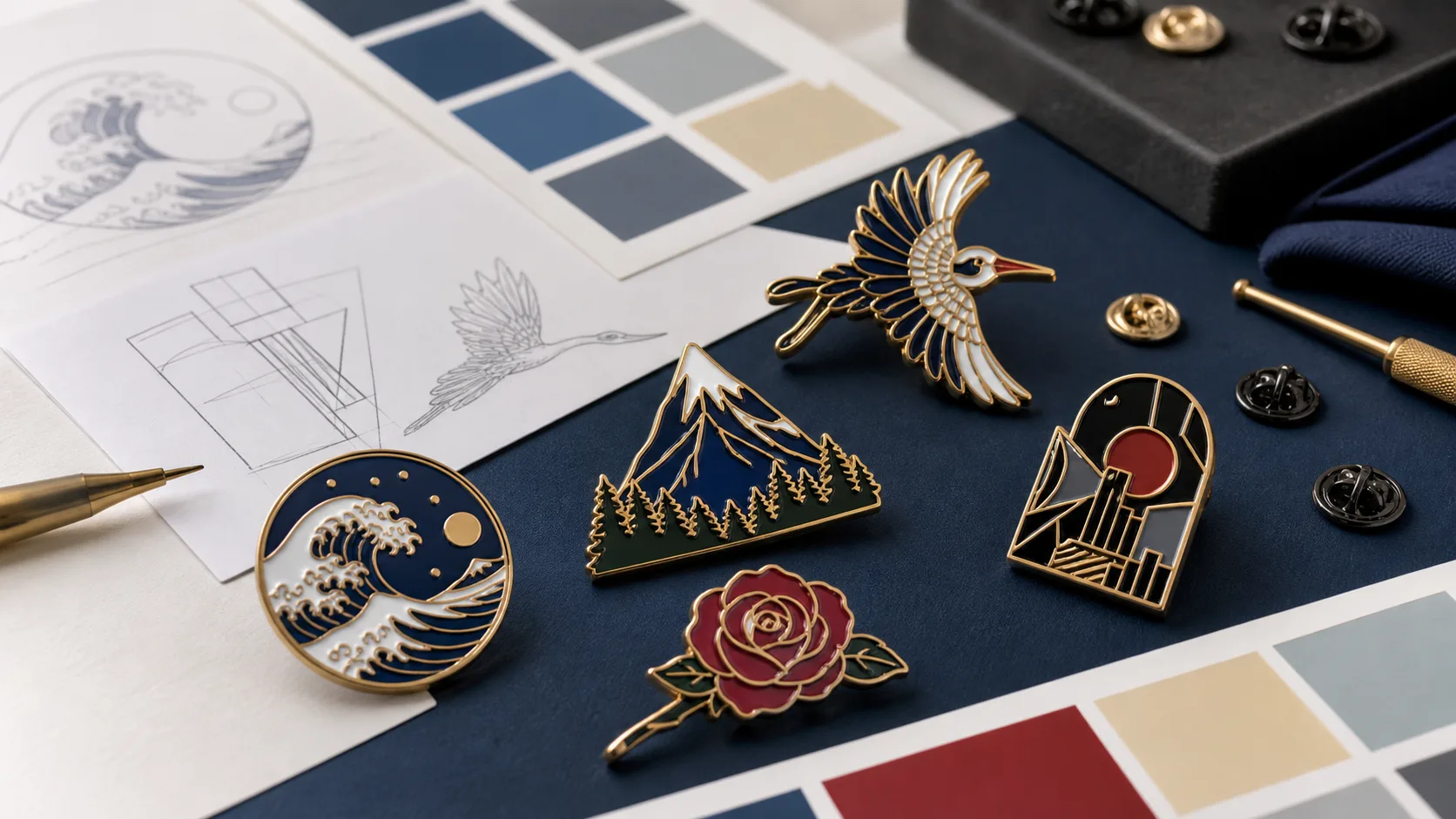
Why custom enamel pins remain useful for brands
Custom enamel pins work because they are visible, tactile, and easy to keep. Unlike a flyer or a digital ad, a pin becomes a physical object people can wear, collect, trade, or display. It can live on a jacket, backpack, lanyard, cap, product pouch, or retail card for months or years. This long life makes pins especially useful for companies that want brand exposure without creating a disposable promotional item.
For B2B buyers, enamel pins also offer flexibility. A factory can produce a small recognition pin for a staff award, a limited-edition pin for a product launch, a themed set for a convention, or a premium merchandise series for an online store. The same basic production path can support many styles, from soft enamel pins with raised metal edges to smooth hard enamel pins with a jewelry-like surface.
Start with a production-ready design brief
The best enamel pin projects begin with a clear design brief. Before asking for a quote, prepare the artwork, preferred size, expected quantity, pin type, metal plating, enamel colors, attachment option, packaging preference, and deadline. A clear brief reduces back-and-forth and helps the supplier identify potential production issues early.
Artwork should be simplified for metal production. Very thin lines, tiny text, delicate gradients, and small isolated color areas may look good on a screen but fail when translated into a die-struck metal base. For most enamel pins, each color area needs a metal border. The border keeps enamel in place and creates the crisp raised outline that gives pins their dimensional look.
- Logo pins: keep the logo shape clear and avoid shrinking small taglines.
- Character pins: simplify facial details and strengthen outlines.
- Event pins: focus on the theme, year, and recognizable symbol, but avoid overcrowding.
- Retail pins: design the pin and backing card together so the product feels complete.
Soft enamel vs. hard enamel pins
Soft enamel and hard enamel are two of the most common choices for pins personalizados. Pins de esmalte blando have recessed enamel areas and raised metal lines. This gives the surface a textured feel and makes the metal outline more visible. Soft enamel is often chosen for bold artwork, event pins, and designs where contrast matters.
Hard enamel pins are filled and polished until the enamel and metal sit on a smooth, even surface. They feel more refined and jewelry-like. Hard enamel is a strong choice for premium brand pins, corporate gifts, museum merchandise, and designs where a smooth finish is important. The choice is not only about price; it is about the visual and tactile personality of the final product.
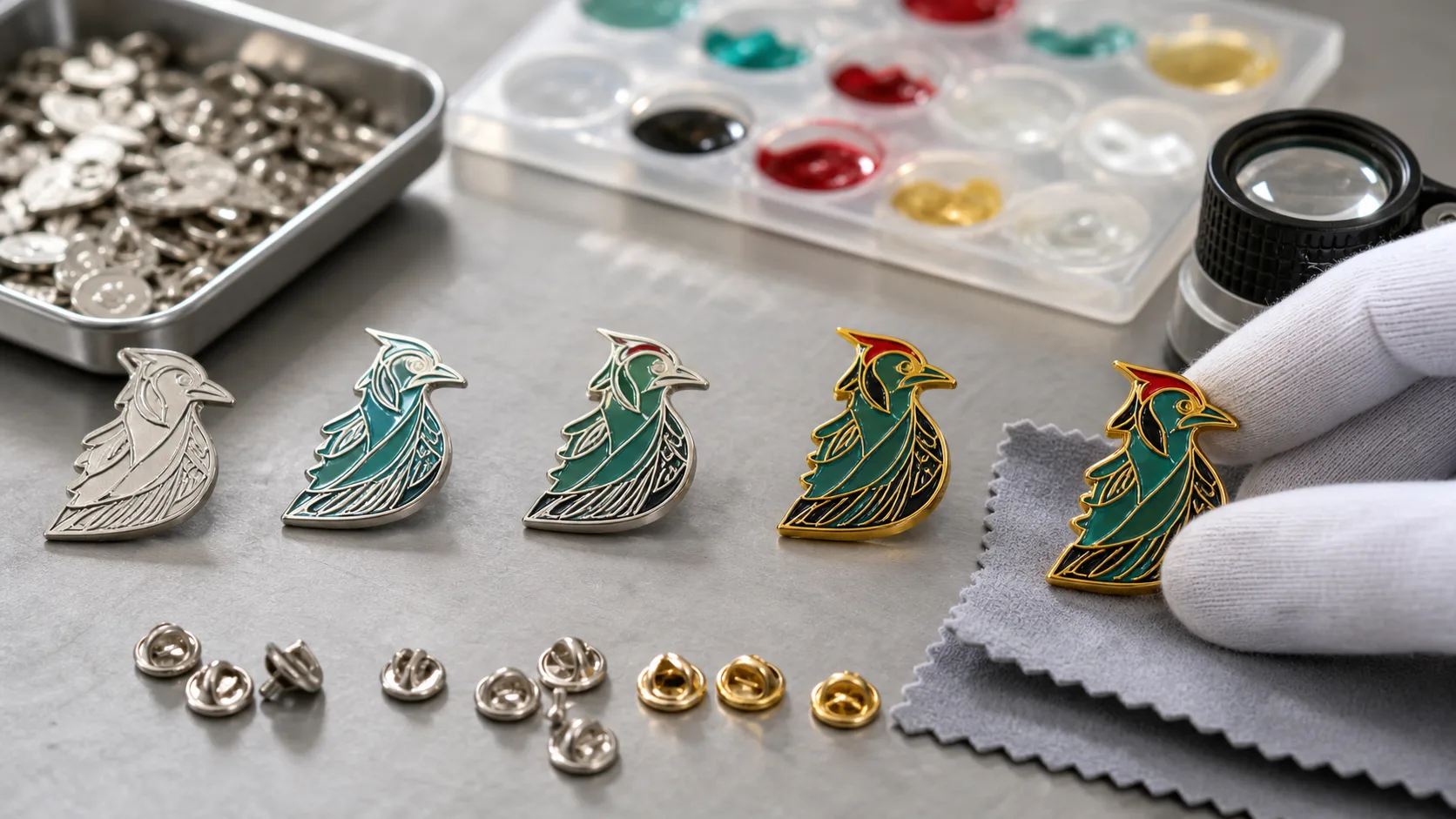 Custom soft enamel pins shown in different production stages from metal outline to polished finish” />
Metal plating changes the entire mood
Metal plating frames the design. Gold plating feels warm and premium, silver plating feels clean and versatile, black nickel adds contrast and a modern edge, antique brass gives a vintage effect, and rose gold can make fashion or lifestyle pins feel softer. A design that looks playful in gold may look more dramatic in black nickel, so plating should be chosen with the brand tone in mind.
For dark enamel colors, silver or gold plating can provide strong separation. For light pastel designs, gold and rose gold often add warmth. For detailed illustrations, black nickel can make color areas pop. When ordering a large run, ask for digital mockups in more than one plating option before approving production.
Color matching and enamel limitations
Color is a major reason buyers choose enamel pins, but it should be managed carefully. Most custom pin factories can match colors using standard color references, but enamel is a physical material. Lighting, metal plating, surface finish, and surrounding colors can slightly affect perception. If exact brand color is critical, provide a clear color reference and request confirmation before mass production.
Gradient effects are difficult in traditional enamel because each color area is usually filled separately. If your artwork needs photo detail, complex shading, or subtle transitions, printed pins or hybrid production may be more suitable. For classic enamel pins, strong flat colors and clean separations usually produce the best result.
Backing options for different use cases
Pin backs are easy to overlook, yet they affect comfort, durability, and how the product is used. A butterfly clutch is common and affordable for many lapel pins. Rubber clutches feel softer and are often used for retail or youth-oriented designs. Safety pin backs work for larger badges or fabric applications. Magnetic backs are useful when buyers want to avoid piercing clothing, although they may not suit every garment thickness.
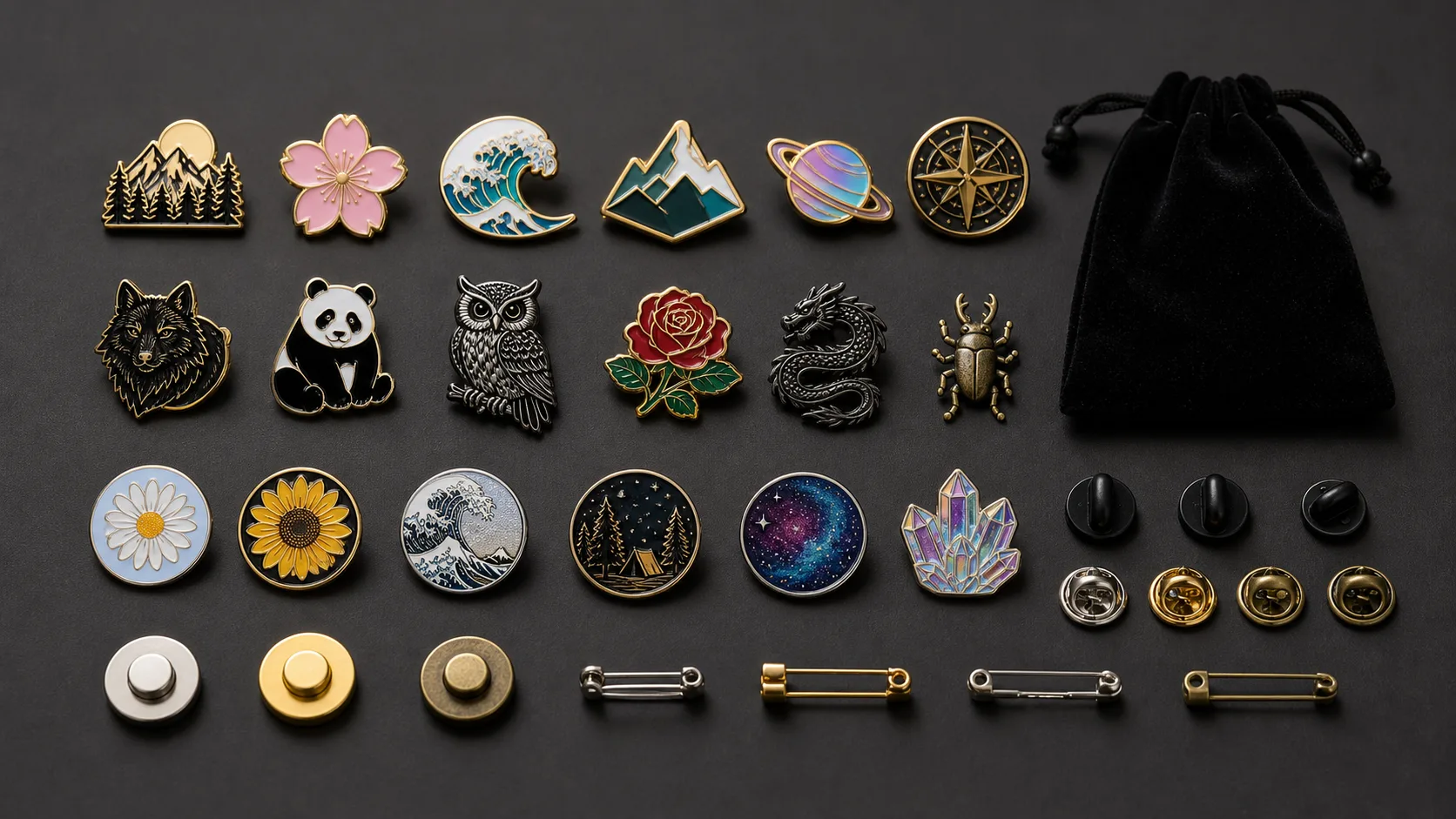
| Use case | Recommended backing | Por qué funciona |
|---|---|---|
| Corporate lapel pins | Butterfly clutch or magnetic back | Clean look and easy wearing |
| Retail enamel pins | Rubber clutch | Comfortable and customer-friendly |
| Large badges | Safety pin back | Stable for larger surface areas |
| Premium gifts | Deluxe clutch with pouch or box | Improves perceived value |
Packaging makes a pin easier to sell or gift
Packaging is not only protection. It explains the product, presents the design, and shapes the buyer’s first impression. For retail pins, a backing card can include the brand story, collection name, or care instructions. For corporate gifts, a velvet pouch or small box can make the pin feel more ceremonial. For bulk event giveaways, simple individual bags may be enough.
If the pin is part of a campaign, packaging should match the campaign visually. If it is part of a product series, use consistent card sizes, colors, and naming. Good packaging helps a small pin feel intentional rather than generic.
Quality checks before mass production
Before approving mass production, review the digital proof carefully. Check the overall size, line thickness, enamel color, metal plating, attachment position, and any spelling or date details. If the artwork includes symmetrical elements, make sure the mold layout preserves the intended shape. For large or high-value orders, consider requesting a physical sample before full production.
After production, quality inspection should check surface scratches, uneven enamel, plating consistency, sharp edges, bent posts, loose clutches, and packaging defects. A reliable supplier should be able to explain its inspection process and help correct problems before shipment.
How to get a better quote
To get an accurate quote, send vector artwork when possible, specify the size in millimeters or inches, list the quantity, choose soft enamel or hard enamel, select plating, identify the number of enamel colors, and explain packaging needs. If you are unsure, provide the final purpose of the pin. A good supplier can recommend the most practical production path for your budget and deadline.
Custom enamel pins are most successful when the design, material, finish, and use case work together. With a clear brief and careful supplier communication, a small pin can become a strong brand asset, a memorable event item, or a collectible product that customers want to keep.
Planning enamel pins for different buying scenarios
A company ordering custom enamel pins for internal recognition has different needs than a brand preparing a collectible retail release. Recognition pins should feel durable, professional, and easy to wear. The design should be clear at a distance, because employees may wear the pins on jackets, uniforms, lanyards, or event apparel. Retail pins, on the other hand, often need stronger visual storytelling. The backing card, product name, collection concept, and packaging can all influence whether customers see the pin as a giftable item rather than a simple accessory.
For events, timing and distribution are especially important. If pins will be handed out at registration, they should be packed in a way that makes counting and distribution easy. If the pins are VIP gifts or speaker gifts, individual packaging may be worth the extra cost. If a set contains multiple designs, mark cartons clearly so staff can sort them quickly on site.
For online stores, think beyond the front of the pin. Product pages should show the pin size, back side, clutch type, packaging, and real-life wearing examples. Buyers want to understand scale and finish before ordering. Adding detail photos and descriptive alt text also helps search engines understand that the page is about custom enamel pins, pin packaging, backing options, and related branded merchandise.
Errores comunes que hay que evitar
One common mistake is trying to reproduce artwork exactly as it appears on a large poster or digital screen. Enamel pins require simplification. If a design has thin gradients, tiny shadows, or small text, it should be adapted before production. Another mistake is choosing a pin size before checking the detail level. A 0.75-inch pin can work beautifully for a simple icon, but it may not support complex illustration. A larger size may be more practical for detailed art.
Buyers also sometimes ignore the back of the pin. A weak backing choice can reduce the usefulness of an otherwise beautiful product. For thick jackets or bags, one attachment may work better than another. For premium gifts, packaging should be considered early because it can affect production time, carton size, and shipping cost.
Checklist before approving production
- Confirm the final size and shape of the pin.
- Check that all lines are thick enough for production.
- Review metal plating and enamel color references.
- Confirm whether the surface should be soft enamel, hard enamel, printed, or die struck.
- Choose backing hardware based on how the pin will be worn.
- Approve packaging style and any backing card requirements.
- Confirm quantity, delivery deadline, shipping address, and carton labeling needs.
FAQ
What is the best size for a custom enamel pin? Many lapel pins fall between 0.75 and 1.5 inches, but the best size depends on detail level and wearing purpose. Complex artwork usually needs a larger size.
Can enamel pins include tiny text? Tiny text can be difficult to read and produce. For better results, simplify text or move extra information to the backing card.
Should I choose soft enamel or hard enamel? Choose soft enamel for texture and bold contrast. Choose hard enamel for a smooth premium feel.
Can PinsCraftPro help prepare artwork? Yes. Send your logo, sketch, or concept, and the production team can help turn it into a pin-ready layout.