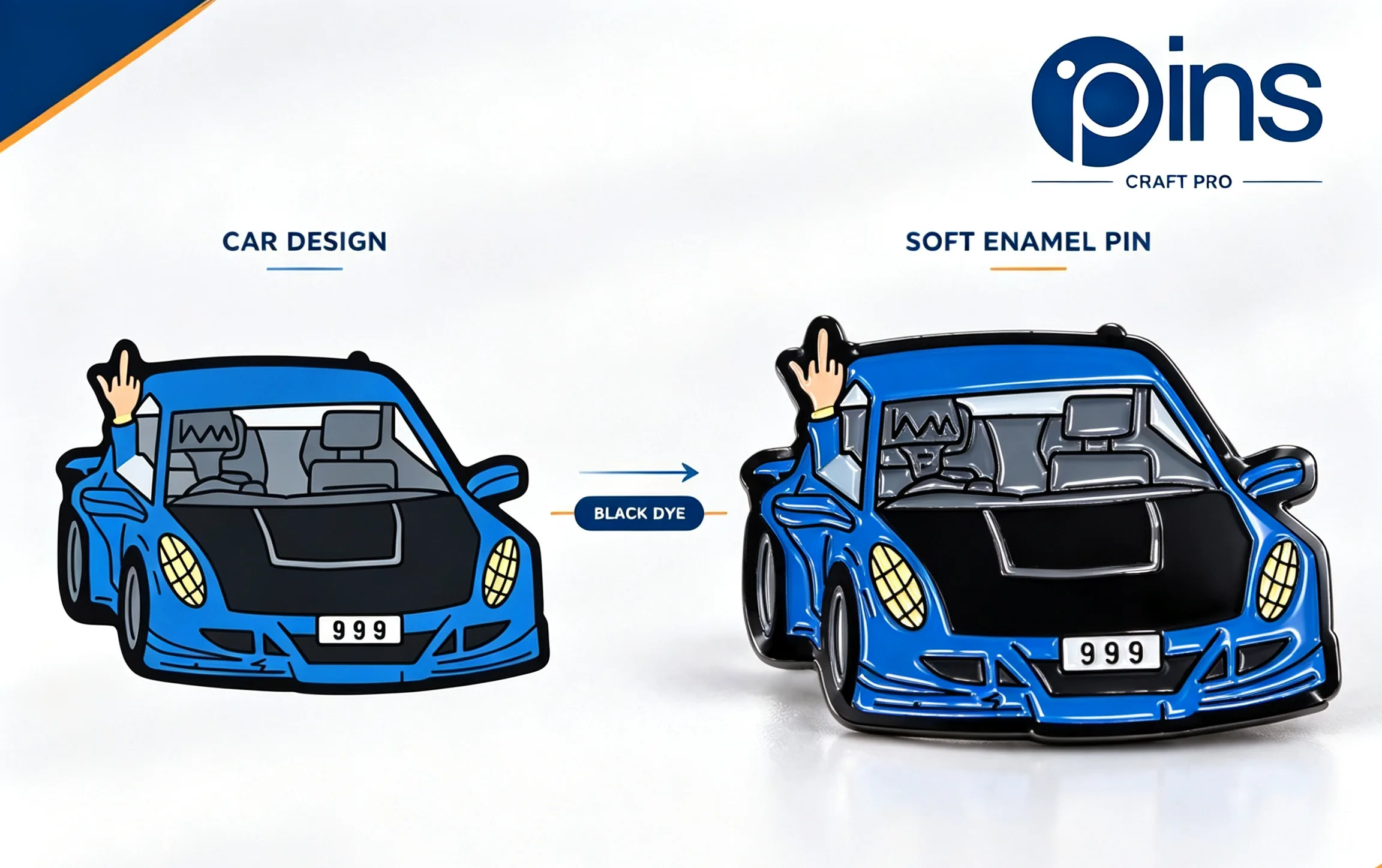





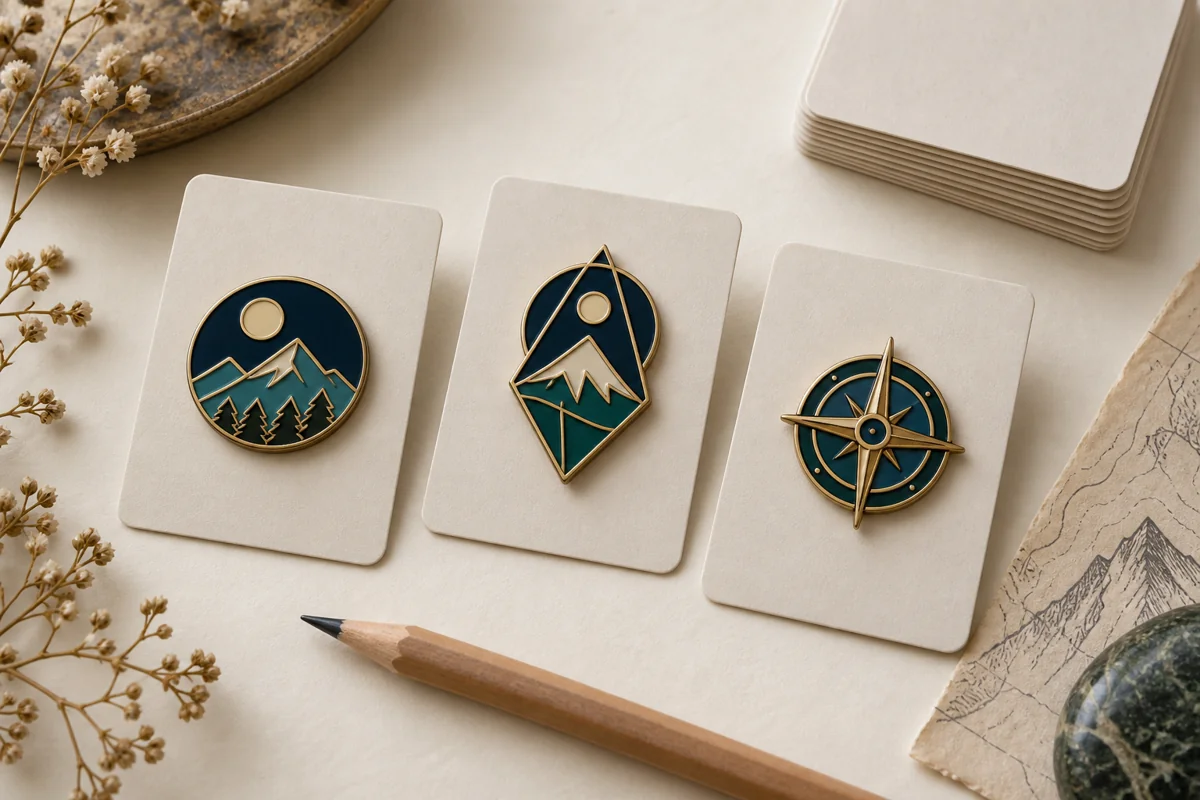
A three-pin collection can look like one simple purchase on a mood board. In production and in your stockroom, it is three separate bets. One design may sell quickly, another may work only as part of a set, and the third may consume the cash you needed for a reorder.
For small batch enamel pins, the useful question is not just “What is the minimum order?” It is “How many of each design can we justify, and what will we learn before ordering again?” This guide is for independent brands, clubs and gift-shop teams planning a first collection or a new release.
Why a collection needs a purpose before it needs a quantity
PPAI launched its Merch Moves Us campaign on August 24, 2026, encouraging marketers to connect merchandise decisions with business goals rather than treating products as last-minute extras. That is industry context, not evidence that any particular pin collection will sell.
Applied to a small release, that thinking means choosing one job for the collection. Is it an entry-priced retail product, a club membership benefit, or an event keepsake? Those uses require different quantities and different ways of measuring success. A giveaway distributed in full is not a retail sell-through success, and a sold-out release is not automatically profitable.
Separate the minimum order from the sensible first order
A supplier’s minimum can depend on the process, dimensions, design and finish. Ask whether it applies to the whole purchase, each artwork, or each colorway. Ordering 150 pieces across three designs is not necessarily priced like ordering 150 identical pieces.
Also ask what “no minimum” means for the requested product. A one-off printed metal pin and a traditionally tooled enamel pin may use different manufacturing routes. Compare the actual construction and sample, not just the order threshold. Our no-minimum custom pins overview is a starting point for discussing the appropriate process; obtain a project-specific quotation before choosing quantities.
Write two numbers in your brief: the quantity you would like to test, and the maximum cash you are prepared to leave tied up in stock. The second number prevents an attractive unit-price reduction from turning into an unaffordable purchase.
Build a three-role collection
Instead of treating every design as an equal bestseller, give each a role. The following is an original planning framework, not an industry rule:
| Role | What it should do | What to check before ordering |
|---|---|---|
| Anchor | Make the theme clear without explanation | Does it attract interest on its own? |
| Companion | Add a different silhouette or story detail | Will people buy it individually or mostly in a set? |
| Experiment | Test a less familiar motif or palette | What evidence would justify replenishing it? |
A shared metal finish and backing-card format can make the family feel coherent. They do not mean the designs share one mold. Different outlines or relief details may require separate tooling, so list each design as its own quote line.
Keep the first experiment narrow. Changing the theme, size, finish and price all at once makes the results difficult to interpret. If the unusual design sells poorly, you will not know whether people disliked the artwork or simply preferred the lower-priced option.
Count single-pin sales and sets separately
Here is an illustrative inventory plan, not a customer order or a recommended minimum. A brand expects 40 three-pin sets, plus individual sales of 70 anchor pins, 30 companion pins and 15 experimental pins. It provisionally reserves five of each design for photography, replacements and other approved uses.
- Anchor: 40 set units + 70 individual units + 5 reserved = 115 pins.
- Companion: 40 + 30 + 5 = 75 pins.
- Experiment: 40 + 15 + 5 = 60 pins.
The total is 250 pins, but the quantities are deliberately unequal. Ask the supplier which production quantities are possible and what changes at the next price break. If a quotation requires equal quantities, compare the cost of the resulting surplus with the convenience of one larger purchase.
Do not count the same stock twice. If 40 sets are physically assembled, their 120 pins are no longer available for individual sales unless the sets are broken apart. Your stock sheet should distinguish loose units, assembled sets, reserved pieces and damaged items.
Use a cash-exposure calculation, not just a unit price
For a retail test, calculate the cash committed before launch: tooling and setup, production, backing cards, packing labor, inbound freight and any applicable import charges. Then calculate expected contribution per sale after payment fees, selling-platform charges and the fulfillment costs your business actually pays.
A planning shortcut is: units needed to recover launch cash = launch cash divided by contribution per sold unit. This is a simplified cash-recovery test, not an accounting profit calculation. For mixed sets and individual pins, calculate contribution for each product offer rather than using the same number for everything.
For example, if a hypothetical launch commits $900 and each sale contributes $6 after its variable selling costs, 150 sales would recover that cash. These are invented teaching figures, not PinsCraftPro prices. Repeat the calculation with your written quote and realistic selling costs.
Approve the smallest artwork at its real size
Collection previews often enlarge every design to fill a screen. Print the artwork at the intended dimensions and compare the pins together. A companion design can lose its detail even when the anchor remains readable.
Check small lettering, thin enclosed color areas, outer points, attachment placement and how the pin sits on its card. The enamel pin size guide helps with scale decisions, while our artwork proof checklist covers the approval details to record. Ask for a production sample when the finish or fine detail is central to the retail promise.
Keep the approved artwork version attached to each stock code. “The blue one” becomes ambiguous as soon as the next collection introduces another blue design.
Make limited-edition wording match the actual plan
A small first batch is not necessarily a limited edition. If you intend to reorder the same design when it sells, describe it as a first release or initial batch. If you promise a fixed edition, decide its total quantity before printing that promise on cards.
Record how samples, replacements and later color variants fit the edition. Changing only the backing card does not clearly distinguish an otherwise identical pin. Give a genuine second edition an identifiable difference and explain it to collectors.
Set a reorder decision before launch day
Use your supplier’s confirmed replenishment interval, not an assumed standard. A useful starting formula is expected demand during replenishment plus a contingency you can explain. If recent sales average eight anchor pins per week and replenishment is confirmed at four weeks, 32 units cover the baseline demand before any contingency. A launch-week spike should not be treated as a permanent weekly average.
Review each design’s sales separately. Track set sales, individual sales, returns and stock remaining. For a slow design, first check whether the product photo shows its size and finish clearly. Reordering the entire collection because one design sells out can compound the original imbalance.
Keep a short decision log: reorder, revise or retire; the evidence; the person approving it; and the next review date. The aim of a small batch is to make the next decision better informed.
Send a brief that can produce a comparable quote
Include artwork for each design, dimensions, requested process, finish, backings, quantity split, individual-versus-set packaging and delivery destination. Add your target launch date and ask the supplier to distinguish production completion from arrival.
Explore custom pin manufacturing options, then request a quote for your collection. Ask for the preferred test quantities and one larger alternative, with setup costs shown separately. That gives you a decision about inventory, not just a choice between two unit prices.